How to Repair a Chipped Resin Figurine Without Making It Worse
To repair chipped resin figurine damage, first decide whether the chip is cosmetic or structural. A small loss of paint on a solid area can often be touched in carefully at home. A crack at a leg, base or thin raised detail is different: the repair has to carry load, and a hidden failure can become a larger break later. The safest approach begins with assessment, not a bottle of glue.
Assess the chip before touching it
Look at the damage under a bright, neutral light and photograph it from several angles. Note whether the resin itself is missing or only the painted surface has lifted. A shallow paint chip has a visible edge but the underlying cast is intact. A deep chip exposes a different colour or a rough, porous surface beneath the finish.
Check the surrounding area for hairline cracks. Flexing a thin arm or ribbon very gently can reveal movement, but stop if the piece feels loose. For a high-value or commissioned figure, do not test it further; contact the maker or a conservator.

Clean without spreading the damage
Dust the area with a soft dry brush. If there is sticky residue, use a barely damp cloth on the surrounding finish and dry it immediately. Do not flood the chip with water or solvent, because liquid can carry pigment into the exposed resin and leave a tide mark.
Resin sculpture care starts with the mildest method. Avoid acetone, alcohol, ammonia and abrasive cleaners unless the manufacturer has confirmed them for that exact finish. These products can dull a clear coat or lift the surrounding paint before the repair has begun.
Decide whether to touch in or repair structurally
A cosmetic chip can sometimes be improved with a small amount of matching acrylic colour. A structural crack, a loose base, a missing load-bearing section or a break at a suspension point needs a different process. Painted figurine repair is not the same as structural repair, and filler can hide a weak joint without restoring strength.
If the piece is part of a set, a retail display or a hotel installation, remove it from service until the repair is assessed. A figurine that stands on a shelf is low risk; one mounted above a walkway or handled by guests is not.

Match the colour before painting
Take a photograph in daylight and another under the room light. Paint a small test stroke on the underside of the base or another hidden area, let it dry and compare. Acrylic colour changes as it dries, so evaluating it wet is unreliable.
For sculpture touch up paint, build the colour in thin layers rather than one thick coat. A small brush or a fine sponge can feather the edge without creating a glossy patch. Mask the surrounding area with low-tack tape if the chip sits beside a metallic or contrasting finish.
Protect the repair and the surrounding finish
Let the touch-up cure fully before handling the piece. Keep dust away and avoid placing it back on a rough shelf while the surface is still soft. If the original has a clear coat, ask the maker what product is compatible; adding a solvent-based sealant over an unknown paint can wrinkle the repair.
Decorative sculpture maintenance should include a check of the repair after a week and again after a month. Look for lifting edges, colour drift or a crack that has reopened. A stable repair should disappear at normal viewing distance, not under magnification.
When the base or mounting point is damaged
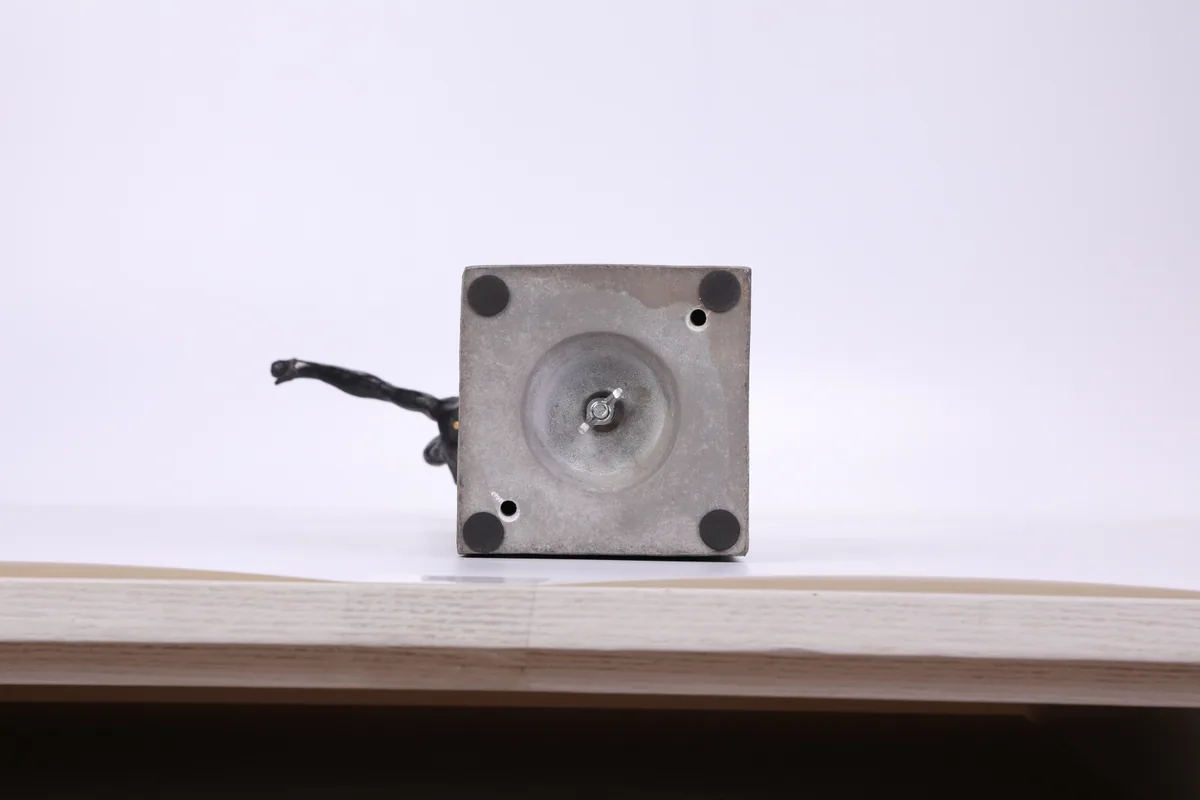
Figurine base repair is usually a structural task. The base carries the centre of gravity, and a repair that looks neat can still fail under the weight of the figure. If the fixing plate is bent, the resin foot is cracked or the piece rocks after reassembly, stop using adhesives as a cosmetic fix.
A conservator can assess the material, choose an appropriate adhesive and build a support that is reversible where possible. For a large wall relief, the same rule applies to the hanging point: repair the mounting interface before the decorative surface.
A safe repair sequence
- Photograph the chip and identify whether resin is missing.
- Clean the area dry and avoid solvents.
- Check for movement at thin details and the base.
- Test colour on a hidden area.
- Apply thin layers of matching paint.
- Let the repair cure away from dust.
- Recheck after a week and a month.
Our resin sculpture care guide covers routine dusting and display, while the qipao lady figurine shows the kind of painted detail that benefits from careful handling. For a damaged production piece or a custom finish, use the custom and trade page to describe the material, finish and intended use.
Further reading: American Institute for Conservation, Canadian Conservation Institute.
Frequently asked questions
Can you repair a chipped resin figurine at home?
A small cosmetic paint chip can sometimes be cleaned and touched in with a matching acrylic colour. A crack at a base, thin limb or mounting point should be assessed by the maker or a conservator before it is used again.
What paint should be used for a resin figurine touch-up?
Use a paint system confirmed by the maker, or test a matching acrylic colour on a hidden area first. Apply thin layers rather than one thick coat, and check the colour after it dries because acrylic paint changes appearance during curing.
How do you know if a chip is structural?
A structural chip usually exposes a crack, sits at a load-bearing joint or allows movement in the surrounding part. If the piece rocks, feels loose or supports its own weight through the damaged area, stop handling it and seek professional advice.
Can a damaged figurine base be glued back together?
A clean break can sometimes be bonded with an appropriate adhesive, but the base carries the figure’s weight and may need reinforcement. Ask the maker or conservator to assess the load path rather than relying on glue alone.
{“@context”:”https://schema.org”,”@type”:”FAQPage”,”mainEntity”:[{“@type”:”Question”,”name”:”Can you repair a chipped resin figurine at home?”,”acceptedAnswer”:{“@type”:”Answer”,”text”:”A small cosmetic paint chip can sometimes be cleaned and touched in with a matching acrylic colour. A crack at a base, thin limb or mounting point should be assessed by the maker or a conservator before it is used again.”}},{“@type”:”Question”,”name”:”What paint should be used for a resin figurine touch-up?”,”acceptedAnswer”:{“@type”:”Answer”,”text”:”Use a paint system confirmed by the maker, or test a matching acrylic colour on a hidden area first. Apply thin layers rather than one thick coat, and check the colour after it dries because acrylic paint changes appearance during curing.”}},{“@type”:”Question”,”name”:”How do you know if a chip is structural?”,”acceptedAnswer”:{“@type”:”Answer”,”text”:”A structural chip usually exposes a crack, sits at a load-bearing joint or allows movement in the surrounding part. If the piece rocks, feels loose or supports its own weight through the damaged area, stop handling it and seek professional advice.”}},{“@type”:”Question”,”name”:”Can a damaged figurine base be glued back together?”,”acceptedAnswer”:{“@type”:”Answer”,”text”:”A clean break can sometimes be bonded with an appropriate adhesive, but the base carries the figure’s weight and may need reinforcement. Ask the maker or conservator to assess the load path rather than relying on glue alone.”}}]}