How to Hang Fossil Wall Panels Without Damaging the Wall
Fossil wall decor is usually lighter than it looks, but that does not make installation casual. A resin relief can still fall if the fixing is wrong, and a group of panels can look noisy if the spacing is decided after the first hole is drilled. The successful result depends on four decisions: composition, fixing, height and light.
What makes fossil wall decor different
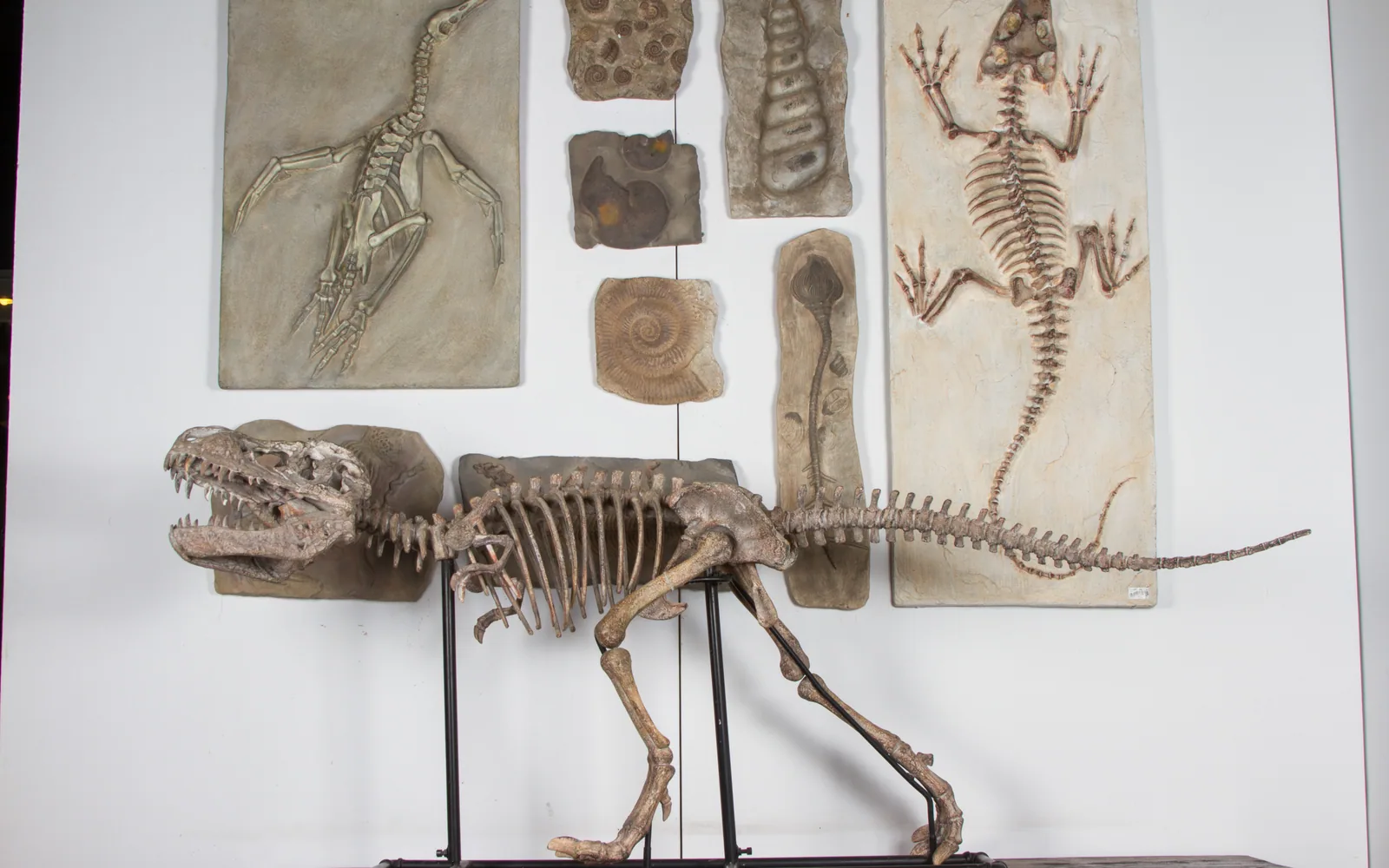
Museum replica fossils are often chosen because they preserve display detail without the weight or ethical questions of an original specimen. Fossil relief wall art can be architectural or cabinet-style, while prehistoric wall decor works best when the group is planned as one composition rather than a collection of unrelated panels.
Natural history wall art is read at two distances. From across the room, the silhouette and the arrangement of panels matter most. Up close, the viewer notices the bone texture, the recessed shell forms and the way the aged finish catches light. A panel that works in a catalogue photograph may still look cramped on the actual wall.
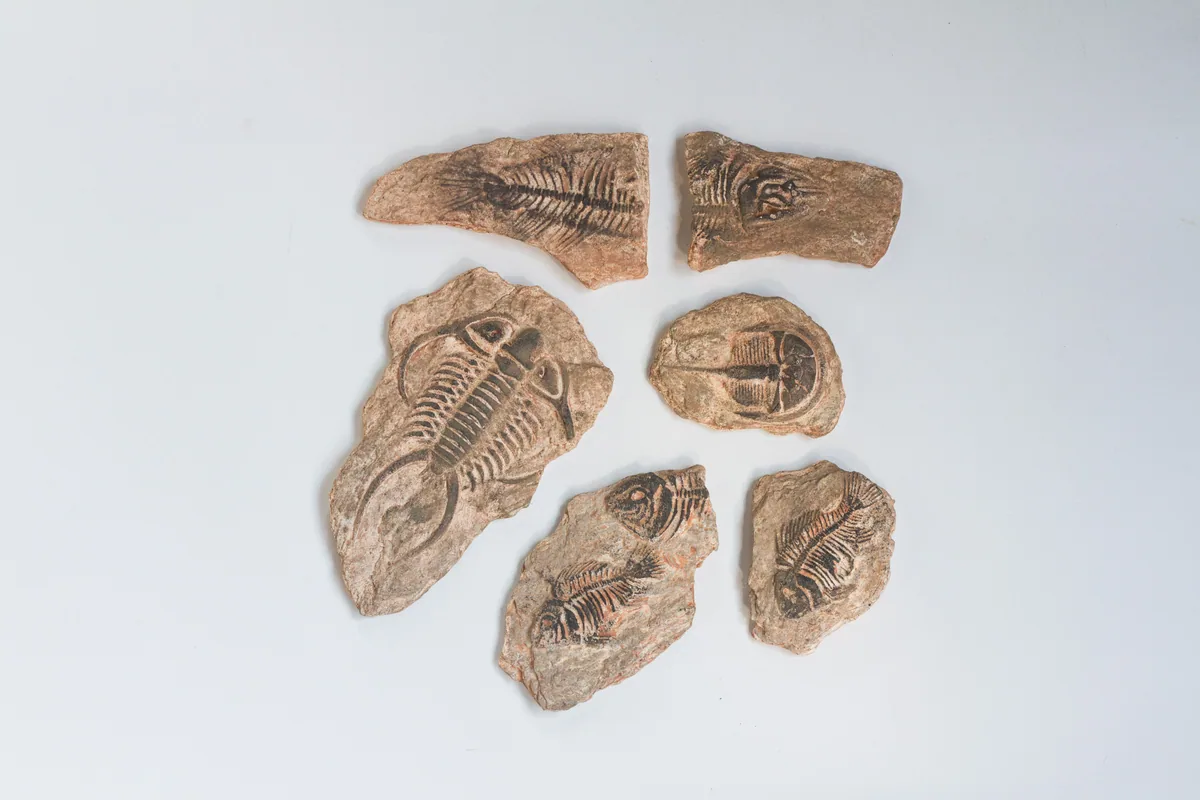
Most decorative fossil panels are cast in resin and finished to resemble stone, mineral or aged bone. That keeps the weight manageable, but a large panel can still require a proper anchor rather than a small picture hook. The mounting point, not the surface finish, determines how safely the object stays in place.
Plan the composition before drilling
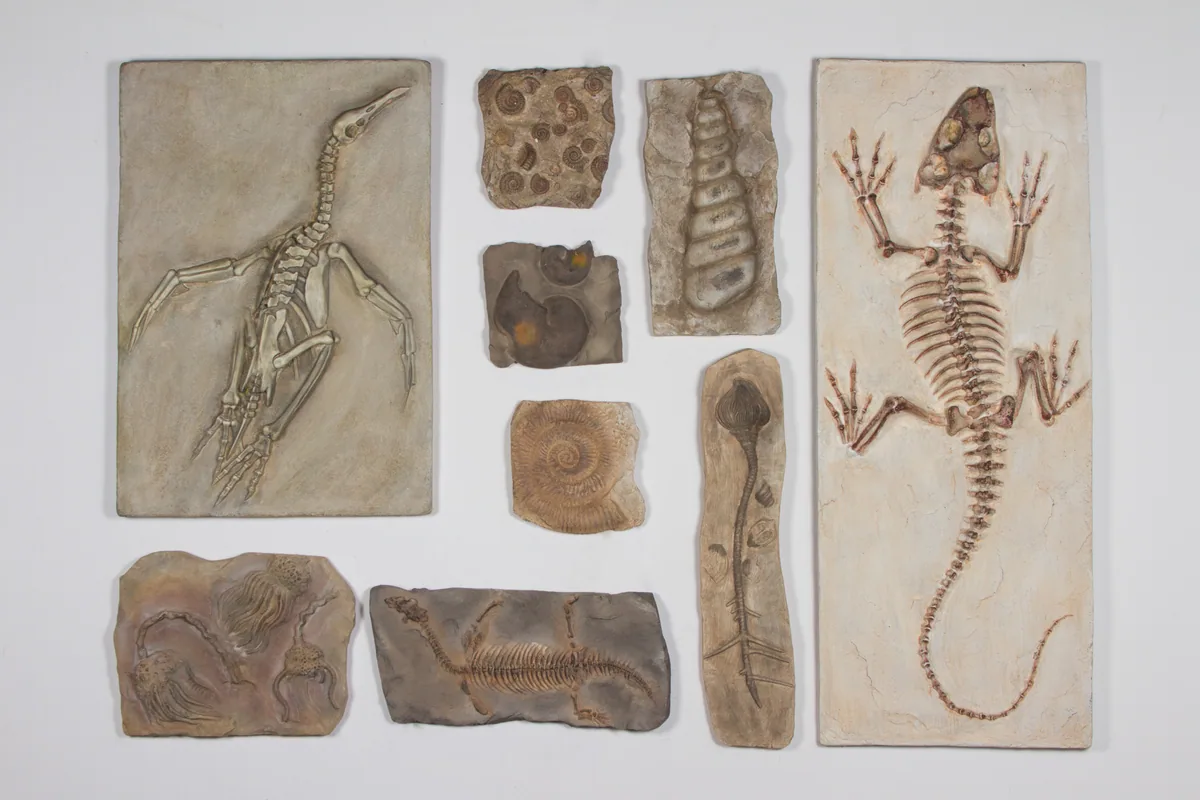
Cut paper templates to the exact dimensions of every panel and tape them to the wall. Move them around for a day if possible. This simple step lets you see how the group relates to a sofa, console, doorway or piece of furniture without committing to a hole.
Decide whether the composition will be a single focal piece, a balanced pair or a cabinet-style group. A single large fossil relief often works best on a narrow wall. A group of smaller studies needs a stronger organising idea, such as a shared centreline or a consistent gap between pieces.
Photograph the template arrangement from the main viewing position and from the side. The second view is useful because it reveals whether pieces are too close to a corner or too high above eye level.
Choose the right fixing for the wall
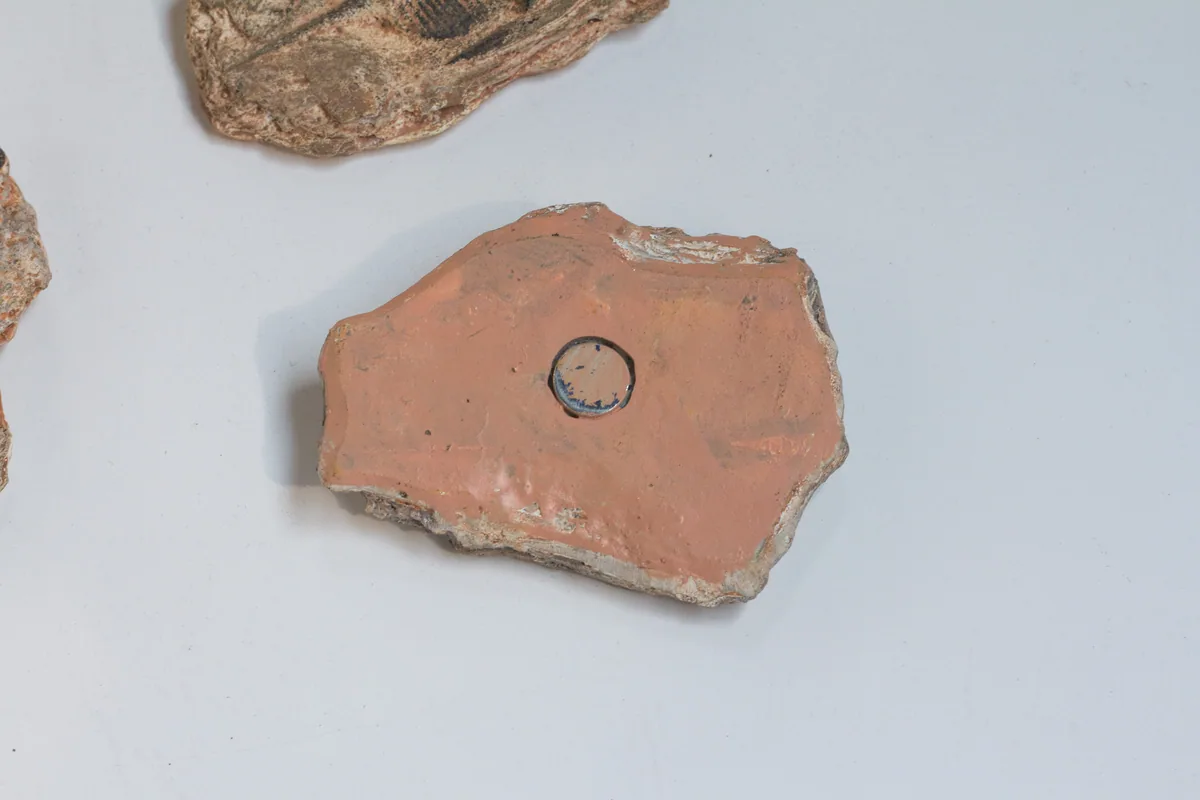
Use the panel’s actual packed weight and the wall construction to select the fixing. Plasterboard may need a cavity anchor rated well above the load, while masonry may accept a screw and plug. Timber studs are strong but their positions rarely align with a decorative layout, so a French cleat or a plywood mounting plate can distribute the load across two studs.
For a heavy relief, a hidden cleat is usually better than a single central hook because it resists rotation and keeps the panel flat against the wall. Follow the manufacturer’s fixing instructions, and when the wall type is unknown, stop and ask someone qualified rather than testing the installation with the object itself.
Height, spacing and alignment
Gallery height is often described as eye level, but the correct height depends on what sits below the wall. Above a console, keep the bottom edge close enough to the furniture to read as one composition. Above a bench or sofa, leave enough clearance for a person to sit and stand without contacting the piece.
Use a consistent gap between panels unless the design deliberately breaks the rhythm. A gap that is too small makes the group look crowded; a gap that is too large dissolves the relationship. For a mixed-size group, align the outer edges or a strong horizontal detail rather than trying to centre every panel.
Check the layout with a spirit level, then check it again visually from the main seating position. A perfectly level group can still look high or off-centre if the surrounding architecture is asymmetrical.
Lighting makes the texture readable
Fossil relief depends on shadow. A wall washer placed directly above the installation can flatten the texture, while grazing light from one side reveals the raised bone forms and recessed impressions. A picture light or adjustable spot with a warm neutral beam is often enough.
Keep the light source away from the viewer’s direct line of sight and avoid a beam that is so narrow it creates a bright spot on one panel and leaves the rest dark. If daylight changes dramatically through the day, check the installation at the time when the room is used most.
Indoor and outdoor placement
Indoor fossil wall decor can be displayed in a hallway, study, living room or hospitality interior, provided it is protected from repeated moisture and direct heat. Outdoor placement is a different specification. Sun, frost and rain will attack a decorative finish unless the material system and coating are explicitly rated for exterior use.
Do not assume that a resin replica is weatherproof simply because it feels solid. Ask for the intended environment before ordering, and use stainless-steel fixings where damp conditions are possible.
A simple installation sequence
- Measure the panel and mark its true centre on the back.
- Make paper templates and finalise the layout on the wall.
- Identify the wall structure and select fixings rated for the load.
- Mark the fixing points from the template, not from an estimated measurement.
- Install the cleat or anchor, then test it before lifting the panel.
- Place the panel, check level and clearance, then adjust the lighting.
Our prehistoric fossil wall panels and oracle bone shell relief are designed as decorative wall pieces with different visual rhythms, and the Saint Art studio profile explains the finishes available across the collection.
Further reading: Encyclopaedia Britannica: fossil.
Frequently asked questions
What are fossil wall panels made of?
Decorative fossil wall panels are commonly cast in resin, then finished to resemble aged bone, stone or mineral. The material keeps the panel lighter than solid stone while preserving fine relief detail, but the fixing still has to be rated for the actual piece.
How do you hang a heavy fossil wall relief?
Use a French cleat or a mounting plate that spreads the load across two wall studs or suitable anchors. Confirm the wall construction first, follow the fixing supplier’s load rating, and test the bracket before lifting the decorative panel into place.
How many fossil panels should be grouped on one wall?
There is no fixed number, but start with one focal panel and add smaller pieces only if they support the same visual idea. A group usually reads best with consistent gaps, a shared alignment line and enough empty wall around the outer edge.
Are fossil replicas suitable for outdoor walls?
Only when the material and coating are specified for exterior exposure. Sun, frost, rain and damp walls can damage an indoor decorative finish, so ask the supplier for an outdoor-rated construction and use corrosion-resistant fixings.
{“@context”:”https://schema.org”,”@type”:”FAQPage”,”mainEntity”:[{“@type”:”Question”,”name”:”What are fossil wall panels made of?”,”acceptedAnswer”:{“@type”:”Answer”,”text”:”Decorative fossil wall panels are commonly cast in resin, then finished to resemble aged bone, stone or mineral. The material keeps the panel lighter than solid stone while preserving fine relief detail, but the fixing still has to be rated for the actual piece.”}},{“@type”:”Question”,”name”:”How do you hang a heavy fossil wall relief?”,”acceptedAnswer”:{“@type”:”Answer”,”text”:”Use a French cleat or a mounting plate that spreads the load across two wall studs or suitable anchors. Confirm the wall construction first, follow the fixing supplier’s load rating, and test the bracket before lifting the decorative panel into place.”}},{“@type”:”Question”,”name”:”How many fossil panels should be grouped on one wall?”,”acceptedAnswer”:{“@type”:”Answer”,”text”:”There is no fixed number, but start with one focal panel and add smaller pieces only if they support the same visual idea. A group usually reads best with consistent gaps, a shared alignment line and enough empty wall around the outer edge.”}},{“@type”:”Question”,”name”:”Are fossil replicas suitable for outdoor walls?”,”acceptedAnswer”:{“@type”:”Answer”,”text”:”Only when the material and coating are specified for exterior exposure. Sun, frost, rain and damp walls can damage an indoor decorative finish, so ask the supplier for an outdoor-rated construction and use corrosion-resistant fixings.”}}]}