How to Care for Resin Sculpture Without Damaging the Finish
Knowing how to care for resin sculpture is mostly about protecting the finish. Resin itself is durable, but the painted, aged, metallic or clear-coated surface is the part that shows wear. Most damage comes from harsh cleaners, abrasive cloths, direct sunlight and lifting a piece by a thin detail rather than its base. A simple routine prevents nearly all of it.
Identify the finish before you clean it
The same routine applies across cleaning decorative sculpture, fossil replica care and painted figurine maintenance. For indoor sculpture display, the main variables are light and dust; when dusting home accessories, start dry and introduce water only when the finish is sealed.
Resin is the cast body; the visible surface may be painted, stained, dusted with metal powder or sealed with a clear coat. Each finish reacts differently. A matte painted figure can be wiped gently, while an antique wash or leaf finish may sit in recesses and lift if it is rubbed too hard.
Start with the mildest method and stop when the surface is clean. Avoid alcohol, acetone, ammonia, abrasive cream cleaners and silicone furniture polish unless the supplier has confirmed them for that exact finish. Solvents can dull a clear coat, and silicone can leave a film that attracts dust.
Dusting: the weekly routine that prevents damage
Dust before it becomes visible. A soft, clean microfiber cloth or a dry artist brush is enough for most pieces. Work from the top down and let the brush carry dust away rather than pressing it into recesses.
- Use a dry, soft brush for carved or fossil-textured surfaces.
- Use a clean microfiber cloth on broad, smooth areas.
- Use low-pressure air only if the nozzle is held well away from the surface.
- Never use paper towels, scouring pads or a brush with stiff bristles.
If the piece lives on an open shelf, dust it every two to four weeks. Inside a closed cabinet, every six to eight weeks is usually enough. Frequent light dusting is safer than waiting and then scrubbing.
Washing a resin sculpture safely
Most indoor resin pieces do not need washing. If sticky residue or a greasy fingerprint makes water necessary, use lukewarm water and a soft cloth that has been wrung out almost dry. A drop of neutral dish soap can help on a sealed, painted surface, but rinse with clean water and do not let soap sit in crevices.
Do not soak the piece, put it in a dishwasher or run water directly into a hollow base. Water can enter seams, reach a metal fixing or soften a paper label. Clean one small area at a time, then dry immediately with a soft cloth. For detailed fossils or skulls, use a barely damp cotton swab rather than flooding the surface.
Light, heat and humidity
Display resin away from strong direct sun and close to a radiator. Ultraviolet light can fade pigments over time, while repeated heat cycles can stress a coating or a glued joint. A shelf that receives bright indirect light is safer than a windowsill with hours of direct exposure.
Normal indoor humidity is fine. In a damp room, keep the piece off a cold exterior wall and leave a little air movement around it. Do not seal a decorative object inside a plastic bag for long-term storage, because trapped moisture can affect the finish.
Handling and moving a piece
Lift from the base or the strongest part of the body with both hands. Never pick up a figurine by an arm, wing, antler or thin tail, even if it feels firm. Before moving a wall relief, check the fixing rather than pulling the decoration away from the wall.
For a large or heavy piece, clear the route first and wear clean cotton gloves to avoid transferring oil. Set it down on a padded surface instead of a hard countertop. If a piece has removable parts, label them before storage so they can be reassembled without forcing a joint.
Packing and seasonal storage
Wrap the object in acid-free tissue or clean soft paper, then add a layer of bubble wrap with the bubbles facing away from the most delicate detail. Use foam blocks to stop movement inside the box, and pack decorations upright when the design is strongest in that position. Keep heavy pieces at the bottom and never stack boxes on top of a fragile wall relief.
Store the box in a dry, temperature-stable cupboard rather than an attic, garage or damp basement. Add a label with the object name and any care note so the next unpacking does not involve guesswork.
Repairing small chips and loose parts
A cosmetic chip on a painted resin piece can sometimes be touched in with a matching acrylic colour, but test the colour on the underside first. A structural break at a leg, base or joint needs a suitable adhesive and proper support while it cures. More importantly, keep the broken fragment: a clean piece is much easier to align than a missing one.
Do not hide a serious crack with filler if the piece carries weight or hangs above a walkway. For collectible, commissioned or high-value work, ask the maker or a professional conservator before attempting a repair. The same rule applies to antique finishes, where a local repair can become more visible than the original damage.
A care routine by object type
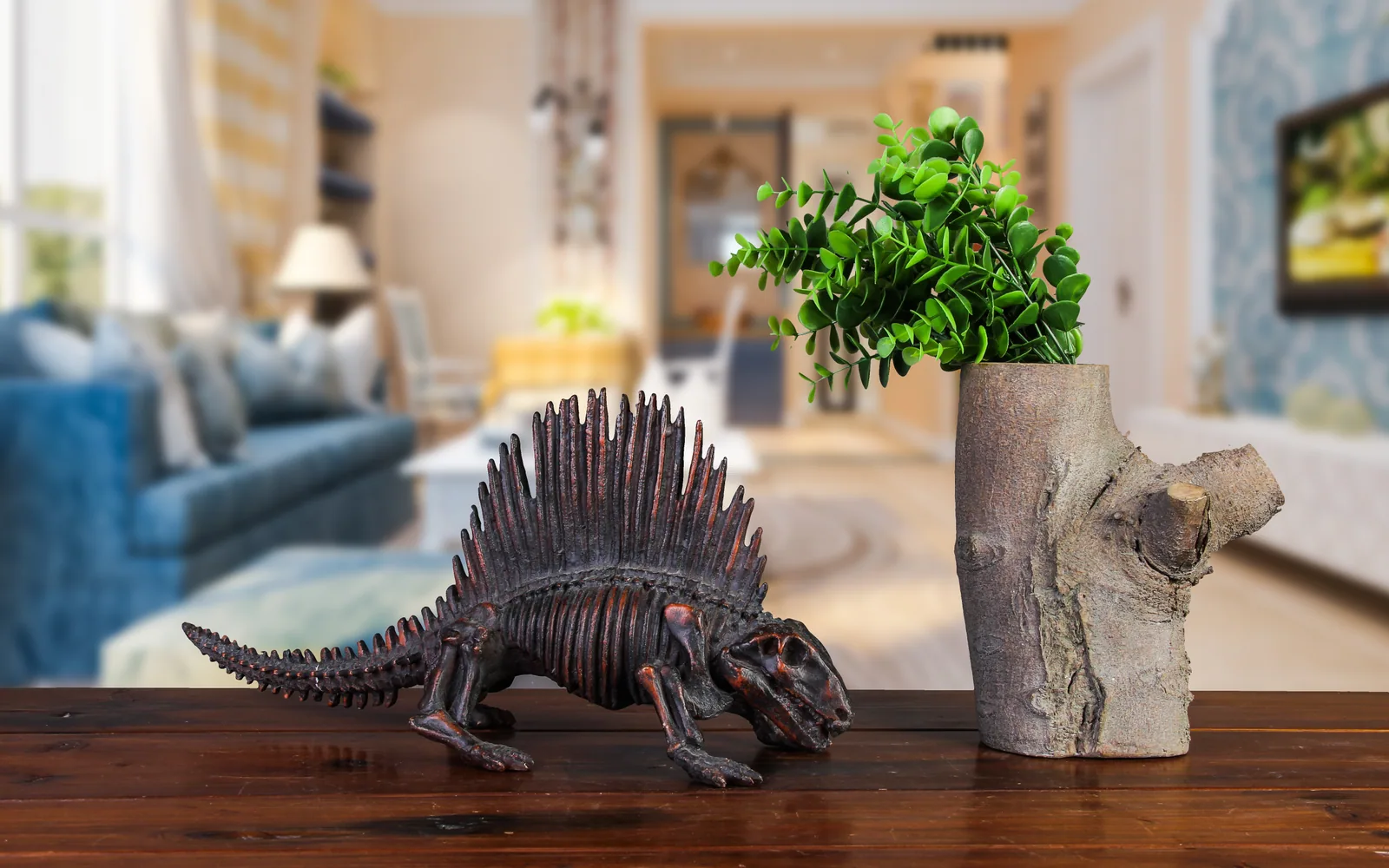
- Tabletop figurines: dry dust every two to four weeks and wash only when necessary.
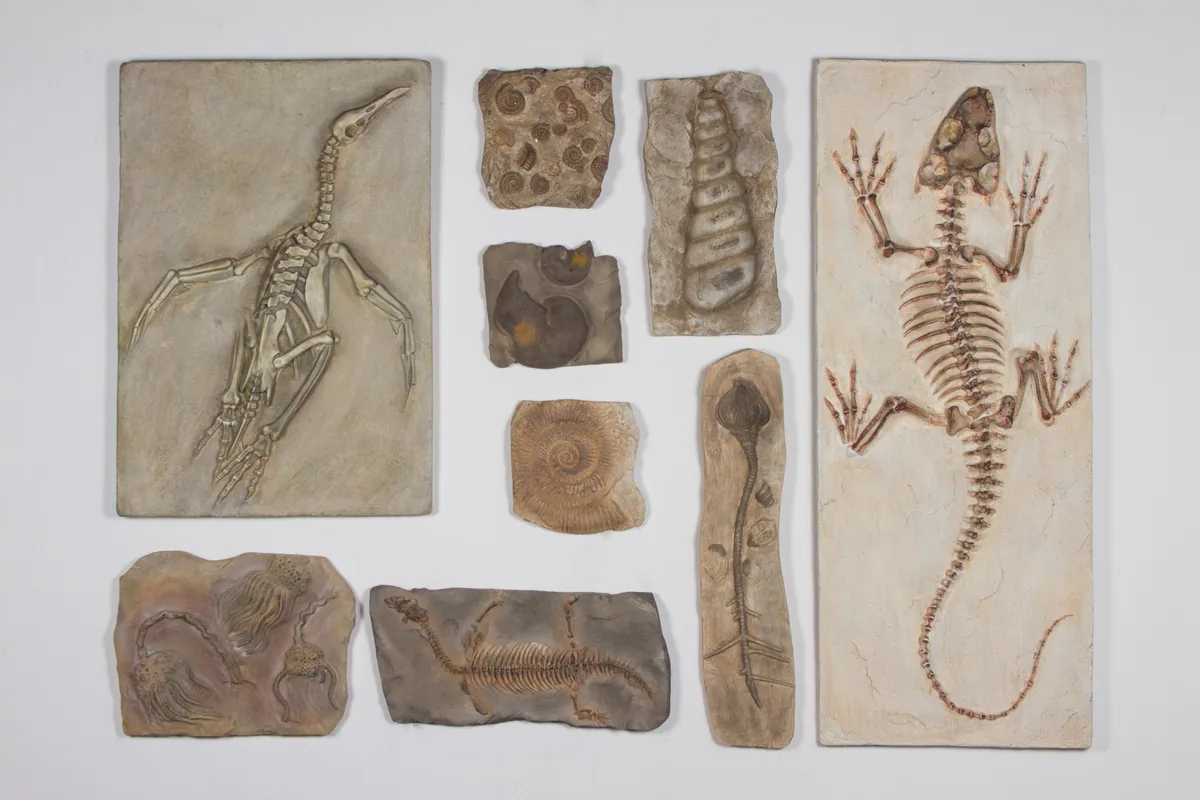
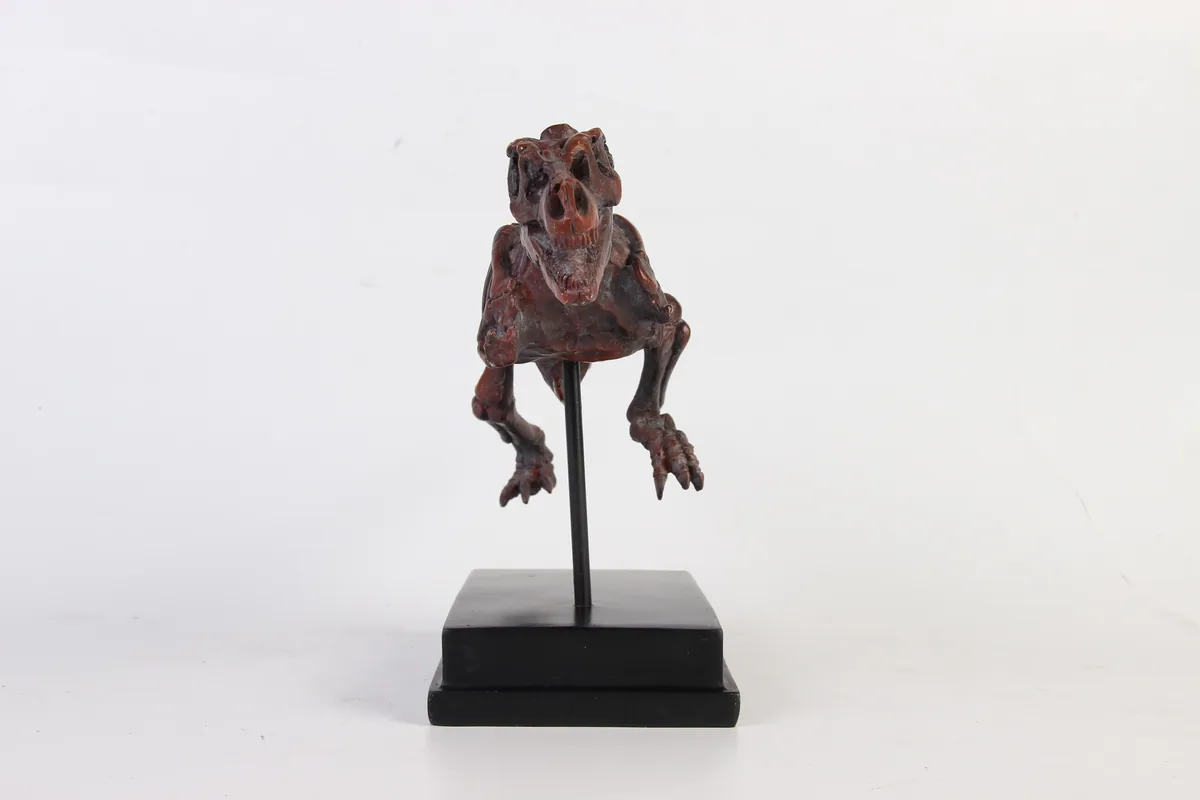
- Fossil and skull studies: use a soft dry brush to keep texture readable and avoid soaking recesses.
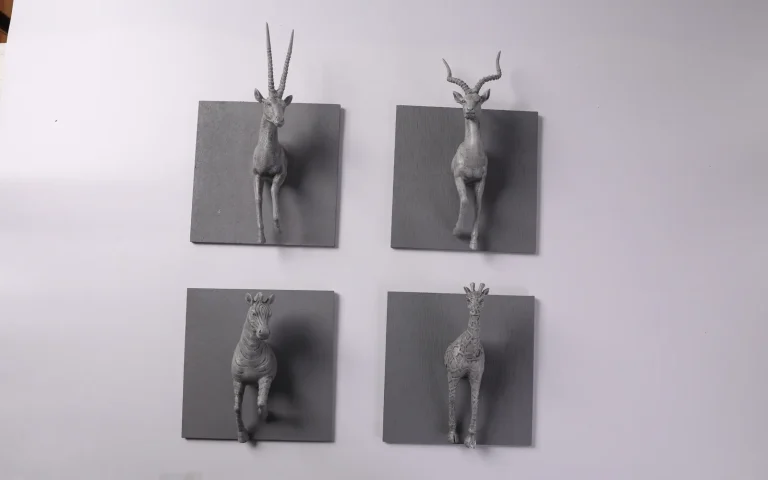
- Wall reliefs: dust with a brush or low-pressure air, then check the fixing once a year.
- Outdoor decor: use only a material and finish specifically rated for UV and frost exposure.
Consistency matters more than frequency. A careful two-minute dusting routine will keep the surface readable for far longer than an occasional deep clean. For pieces in a busy hospitality interior, add the care check to the same schedule as the room inspection instead of treating it as a separate task.
Our resin fossil fish study piece and fossil wall panels both benefit from the dry-brush approach, while the journal covers more material and display guides for collectors and design teams.
Further reading: Canadian Conservation Institute.
Frequently asked questions
Can you wash a resin sculpture with water?
Usually yes, but only if the finish is sealed and the piece is not soaked. Use lukewarm water, a barely damp soft cloth and dry immediately; hollow bases, labels and unsealed antique finishes need a dry method instead.
What should never be used to clean resin decor?
Avoid acetone, alcohol, ammonia, abrasive cream cleaners, scouring pads and silicone polish unless the maker confirms they are safe. These can dull a clear coat, remove paint or leave a sticky film that attracts more dust.
How do you repair a chipped painted resin figurine?
Keep the broken fragment and test a matching acrylic colour on the underside before touching up the visible chip. A structural crack or a heavy wall piece should be assessed by the maker or a conservator rather than filled and hung again.
Does sunlight damage resin sculpture?
Strong direct sunlight can fade pigments and stress a coating over time. Display resin in bright indirect light, away from a hot window or radiator, and rotate pieces that sit close to a window if the colour matters.
{“@context”:”https://schema.org”,”@type”:”FAQPage”,”mainEntity”:[{“@type”:”Question”,”name”:”Can you wash a resin sculpture with water?”,”acceptedAnswer”:{“@type”:”Answer”,”text”:”Usually yes, but only if the finish is sealed and the piece is not soaked. Use lukewarm water, a barely damp soft cloth and dry immediately; hollow bases, labels and unsealed antique finishes need a dry method instead.”}},{“@type”:”Question”,”name”:”What should never be used to clean resin decor?”,”acceptedAnswer”:{“@type”:”Answer”,”text”:”Avoid acetone, alcohol, ammonia, abrasive cream cleaners, scouring pads and silicone polish unless the maker confirms they are safe. These can dull a clear coat, remove paint or leave a sticky film that attracts more dust.”}},{“@type”:”Question”,”name”:”How do you repair a chipped painted resin figurine?”,”acceptedAnswer”:{“@type”:”Answer”,”text”:”Keep the broken fragment and test a matching acrylic colour on the underside before touching up the visible chip. A structural crack or a heavy wall piece should be assessed by the maker or a conservator rather than filled and hung again.”}},{“@type”:”Question”,”name”:”Does sunlight damage resin sculpture?”,”acceptedAnswer”:{“@type”:”Answer”,”text”:”Strong direct sunlight can fade pigments and stress a coating over time. Display resin in bright indirect light, away from a hot window or radiator, and rotate pieces that sit close to a window if the colour matters.”}}]}