Wholesale Museum Gifts: A Buyer’s Guide for Museum Shops
Wholesale museum gifts have to do more than fill a shelf. They need to connect with a collection, survive handling in a busy shop and make sense to a visitor who may have only a few minutes to choose a gift. Natural-history objects are especially effective because they combine visual curiosity with a story that staff can explain in one sentence.
This guide is for buyers building a museum shop assortment, from single-store retailers to cultural venues that need repeatable product ranges. The strongest programmes balance a clear theme, a useful price ladder and packaging that carries the interpretation without overstating what the object is.
What makes wholesale museum gifts work in a museum shop?
Successful wholesale museum gifts connect to the visitor’s memory of the collection while remaining desirable as objects in their own right. A fossil replica gift can echo a gallery theme, a natural-history object can suit a study or home office and a small science-inspired piece can work as an impulse purchase near the till.
The assortment should be edited around a few stories rather than spread across unrelated categories. Start with the collection or exhibition the shop wants to support, then choose objects that can be explained clearly and displayed together. That gives the museum gift shop supplier a focused brief instead of a long list of unrelated products.
Build the range around a visible story
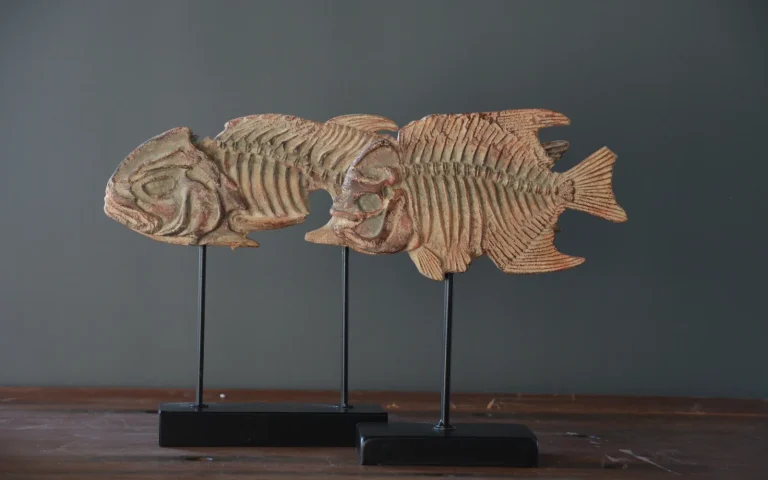
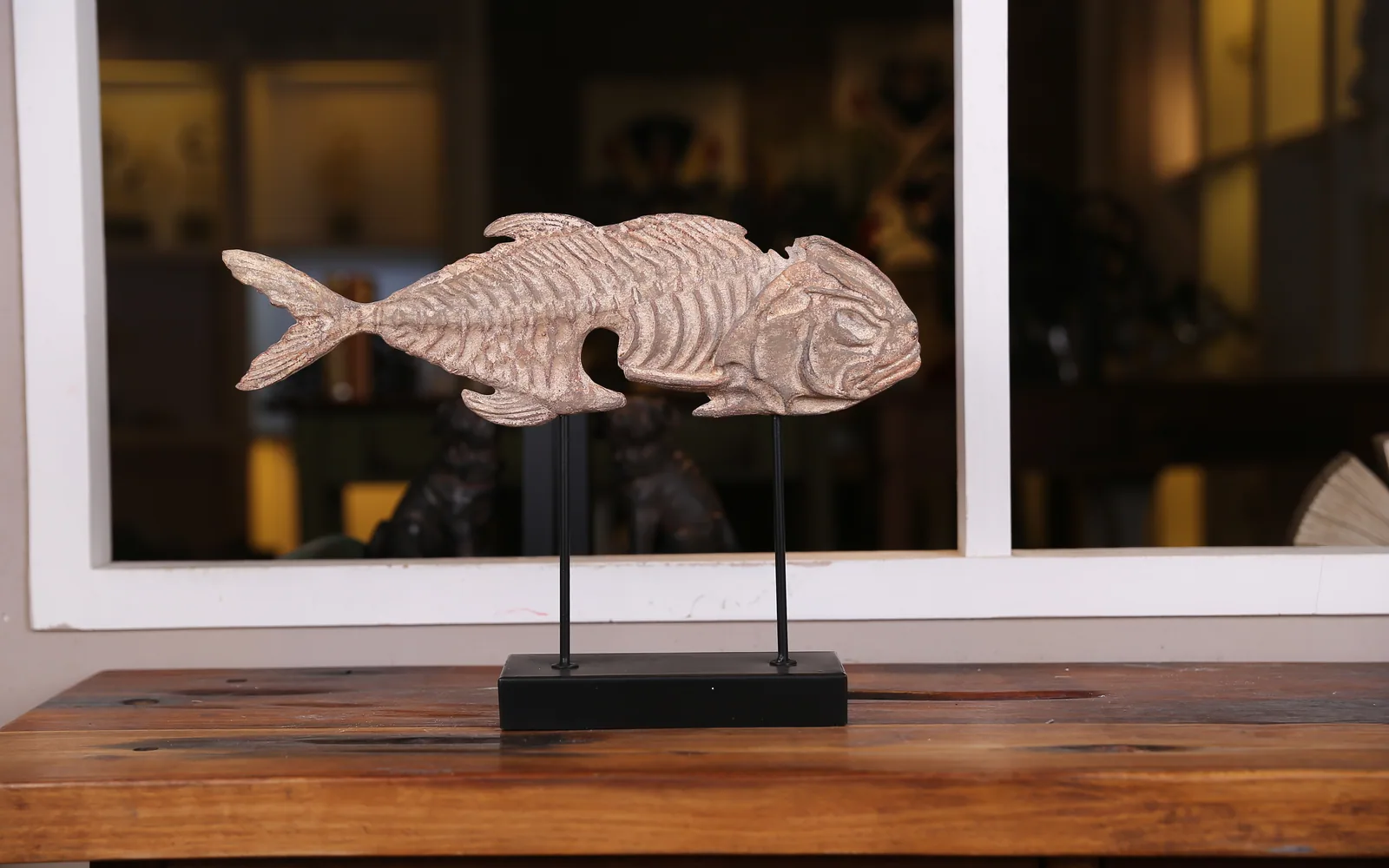
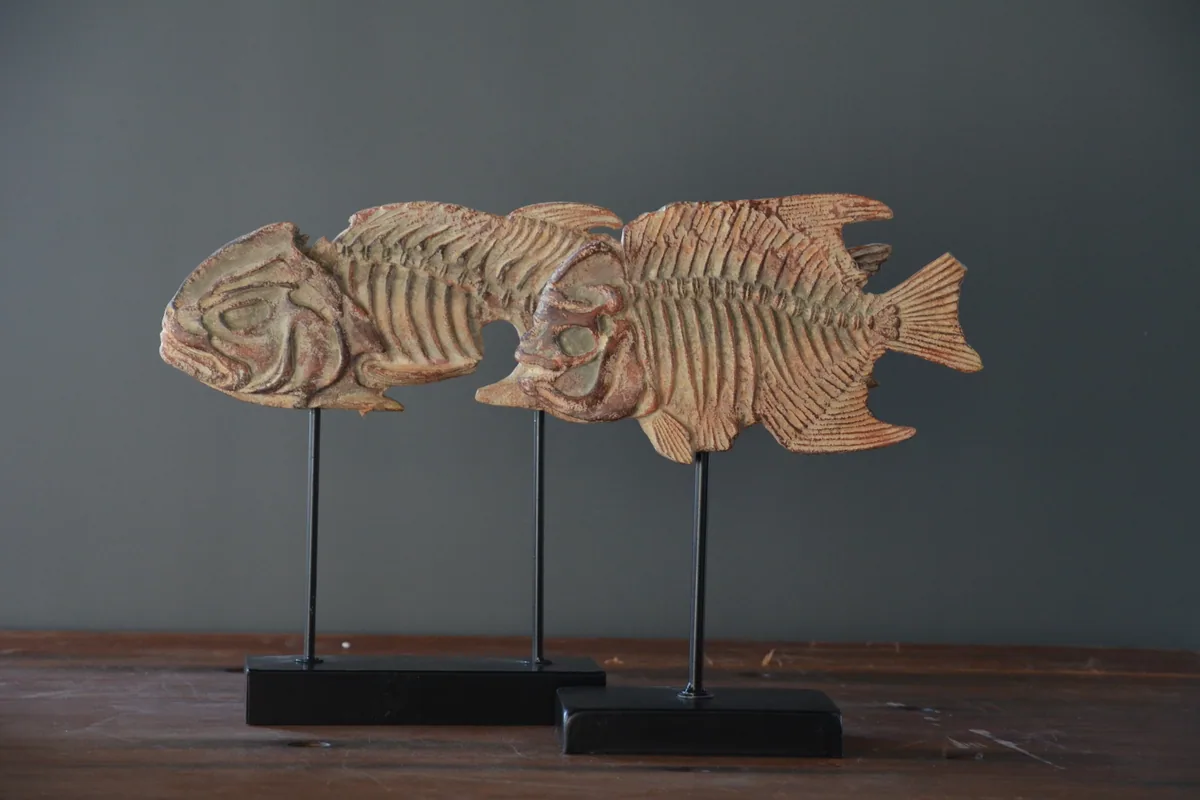
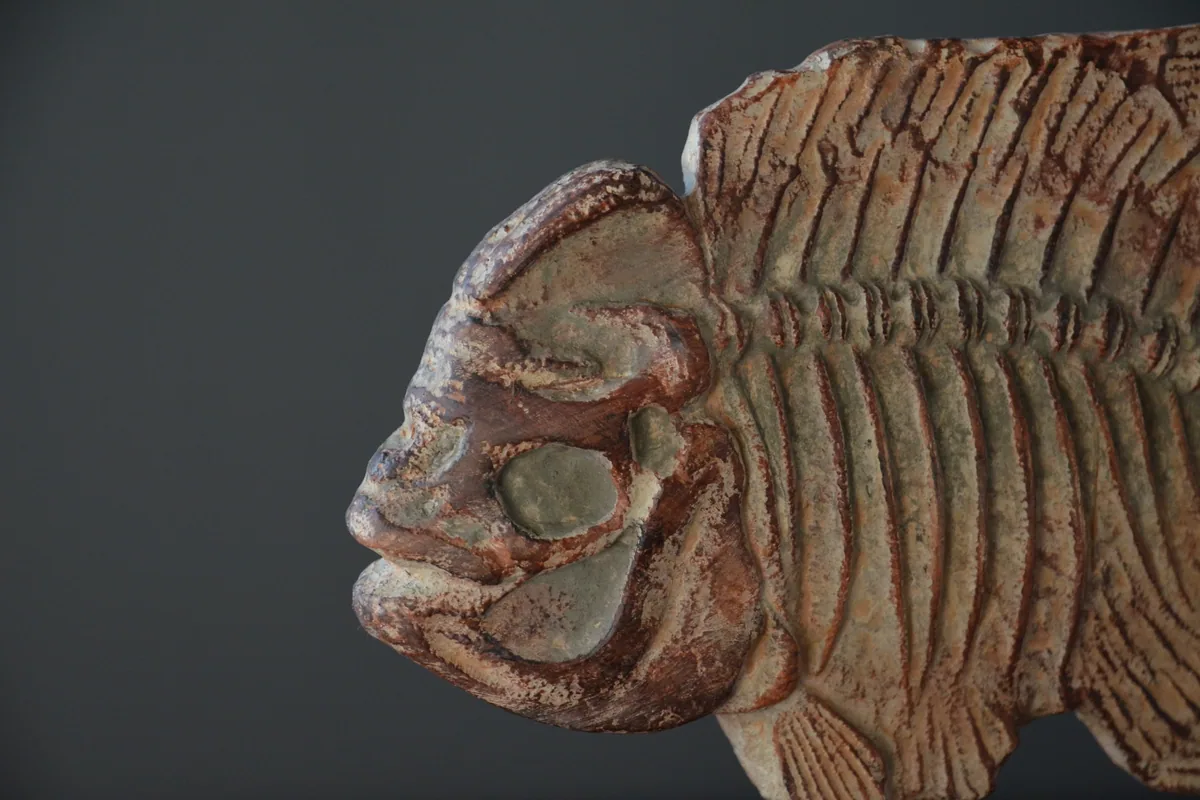
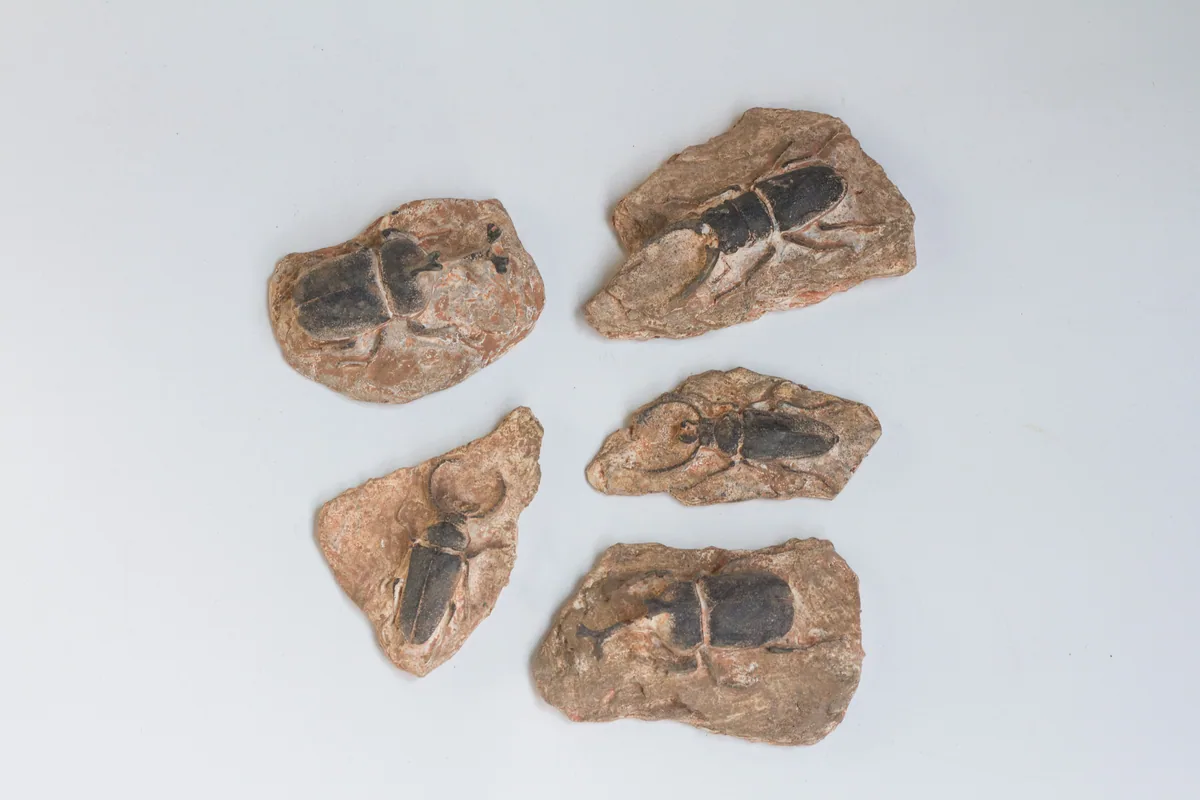
Natural history gifts work when the customer can recognise the subject from a short glance. A fish study piece, an insect collection or a sculptural wall object should have a readable silhouette and enough surface detail to reward a closer look. The display label can then add the material, care guidance and historical context.
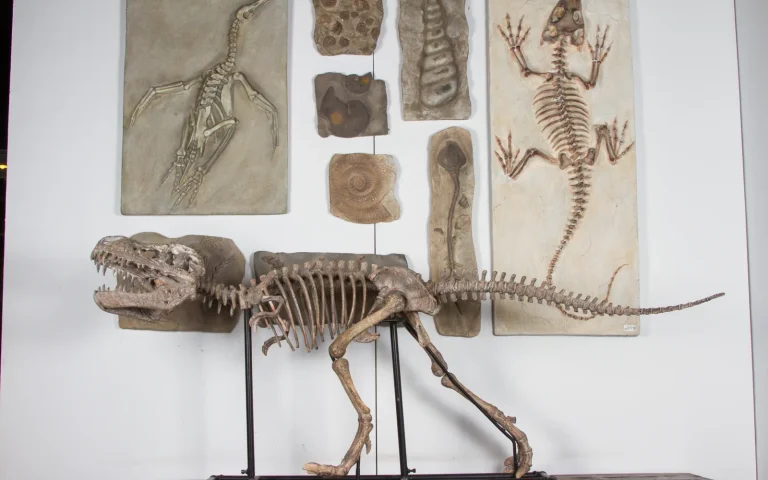
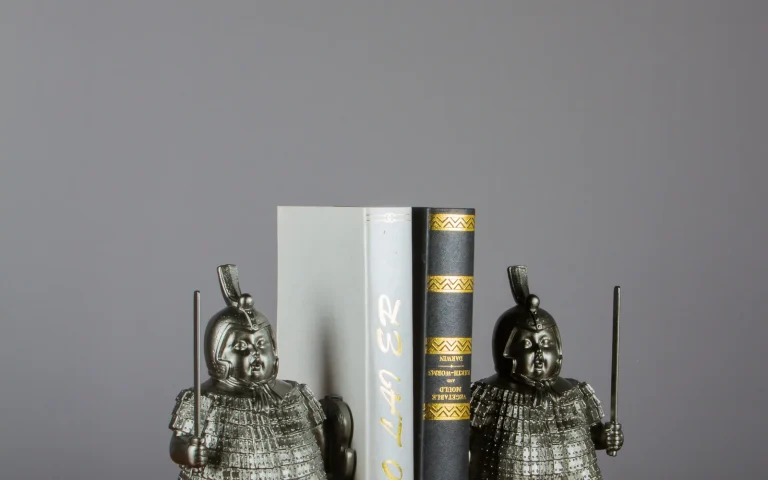
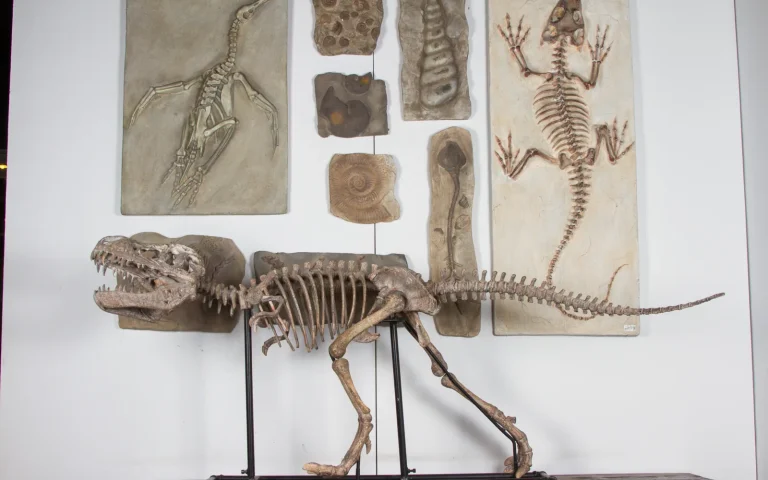
Group products by theme rather than by price alone. A prehistoric display might combine a fossil fish study, a wall plaque and a small desk object. A science-themed table can mix a magnifier, a specimen-inspired sculpture and a bookend. The customer sees a coherent idea and can move from an inexpensive add-on to a larger gift without leaving the story.
Choose materials that suit the retail environment
Museum shops often display products in bright light and on open shelves, so finish and surface durability matter. Resin can reproduce fine bone, shell and insect detail while keeping a study object manageable to lift. Ceramic can offer a crisp glazed surface, metal can provide weight and crystal glass can catch light in a display case.
Ask the museum gift shop supplier how the finish behaves under handling and how the object should be cleaned. A painted fossil replica may need a soft dry cloth rather than a wet wipe. A metallic finish may show fingerprints. The care card should be specific enough for a volunteer or temporary retail assistant to understand immediately.
Be precise about fossil replica gifts
Fossil replica gifts should be described as decorative casts or studies unless the supplier can document a different provenance. That distinction matters for museum retail, where visitors may reasonably ask whether an object is an original specimen. Honest wording protects the institution and makes the product easier to interpret.
Use a short label that names the subject, the material and the decorative purpose. Avoid phrases that imply age, rarity or scientific authenticity when the product is a reproduction. A clear story is more valuable than a dramatic claim, especially when the buyer is choosing science gifts for adults who care about natural history.
Plan museum retail display before ordering
A museum retail display should let the visitor see the object from the angle they will encounter it at home. A wall piece needs a straight-on view, a table sculpture needs a three-quarter view and a small collectible should sit near eye level or beside a related book. Keep labels at a readable height and avoid placing detailed objects behind reflective glass.
Use a mix of heights without making the shelf feel crowded. A low fossil fish study can sit beside a taller framed object, while a group of insect pieces can be arranged as a specimen tray. If the shop changes exhibitions regularly, choose products that can move between themes rather than tying the whole range to one display.
Control packaging and handling
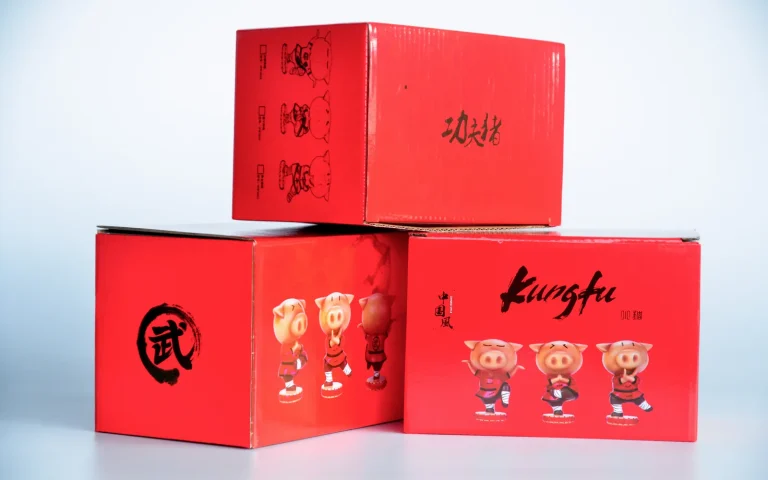
The packaging is part of the gift experience, but it also protects the product through storage, transport and a visitor’s journey home. A box that is easy to carry, with a clear window or printed image, helps the customer understand the object before opening it. Internal supports should protect fins, wings, stands and other protruding details.
Ask for a transit test and inspect the packed item yourself. Include a care card, a material note and a short explanation of the subject. For a private-label programme, keep the museum name, product description and image consistent across the carton, website and display label.
Develop a balanced price ladder
n
A museum shop benefits from several reasons to buy: an inexpensive science-themed add-on, a mid-range natural-history gift and a larger statement piece for a dedicated collector. The range does not need to be huge, but each tier should have a distinct role. A low-entry object can introduce the theme; a larger sculpture can carry the display.
Do not force every product into the same material or scale. A small insect collection, a mounted fish study and a larger wall relief can coexist if they share a visual language. The buyer should be able to move from one item to another because the story is clear, not because the shelf is full.
Use custom sourcing for a museum-specific range
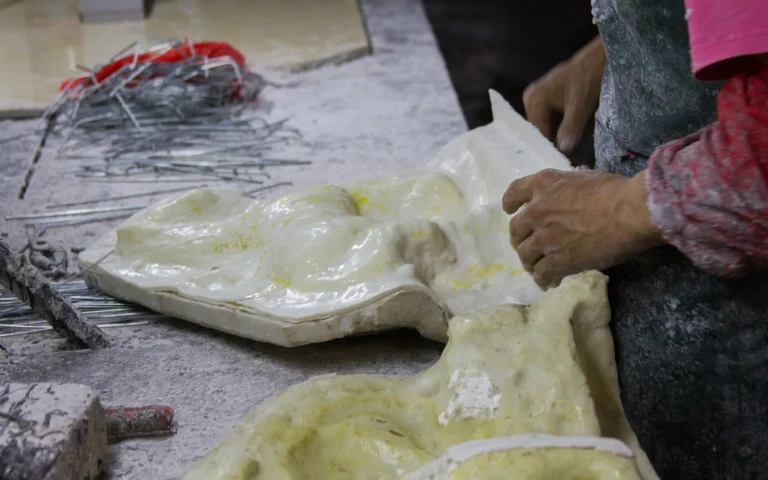
Custom sourcing can adapt an existing form, finish, base or package to a museum’s collection. A brief should include the subject, reference images, display dimensions, packaging requirements, target customer and the words that must appear on the label. That information helps a supplier propose a realistic route rather than a generic product.
Saint Art works from Dehua, Fujian, and was founded in 2023. Its materials include resin, metal, ceramic, crystal glass, fabric, shell and bamboo, and the company provides OEM and ODM services. See the custom and trade page for the project route and the about page for the company background and Canton Fair experience.
Choose products that can grow with the shop
The best wholesale museum gifts are flexible enough to support changing exhibitions and repeat visits. A natural-history object can move from a dinosaur theme to a study of evolution, while a small fossil replica can sit in a collector display or a child-friendly discovery area. That flexibility lowers the risk of holding stock that only suits one short campaign.
Start with a small, well-photographed selection and test how visitors respond. Add depth only when the story, packaging and display are working together. The resin fossil fish study piece, the insect fossil cling collection and the wider Saint Art shop show how natural-history objects can form a coherent retail theme.
A practical buying checklist
- Confirm the subject, material and decorative status in plain language.
- Test the product under the lighting used in the shop.
- Check the packed weight, box size and handling instructions.
- Plan a display at multiple heights and viewing angles.
- Prepare a short story card for staff and customers.
- Choose a price ladder with a clear entry, gift and statement level.
When the story is accurate, the display is readable and the packaging protects the object, wholesale museum gifts become a useful bridge between a cultural collection and a visitor’s home. The result is a retail range that feels specific to the institution without becoming difficult to stock, explain or sell.
Further reading: Museum Store Association retail resources, American Alliance of Museums museum data.
Frequently asked questions
What are the best wholesale museum gifts for a natural history shop?
A focused range can include decorative fossil studies, insect collections, small specimen-inspired objects and bookends. The strongest choices connect clearly to a collection, are comfortable to handle and can be explained with a concise label.
Are fossil replica gifts suitable for museum shops?
Yes, when they are described accurately as decorative casts or reproductions rather than original specimens. Clear material, subject and care information helps visitors understand the object and protects the museum from misleading claims.
How should museum shops display small gifts?
Use a readable height, a clean label and a three-quarter viewing angle for sculptural pieces. Group objects by story rather than crowding different themes together, and leave enough space for visitors to inspect detail without moving fragile items.
Can wholesale museum gifts be customised for one venue?
A supplier offering OEM or ODM work can adapt scale, finish, base treatment, packaging and labels to a museum brief. Provide reference images, display dimensions, target price and required wording before requesting a sample.
{“@context”:”https://schema.org”,”@type”:”FAQPage”,”mainEntity”:[{“@type”:”Question”,”name”:”What are the best wholesale museum gifts for a natural history shop?”,”acceptedAnswer”:{“@type”:”Answer”,”text”:”A focused range can include decorative fossil studies, insect collections, small specimen-inspired objects and bookends. The strongest choices connect clearly to a collection, are comfortable to handle and can be explained with a concise label.”}},{“@type”:”Question”,”name”:”Are fossil replica gifts suitable for museum shops?”,”acceptedAnswer”:{“@type”:”Answer”,”text”:”Yes, when they are described accurately as decorative casts or reproductions rather than original specimens. Clear material, subject and care information helps visitors understand the object and protects the museum from misleading claims.”}},{“@type”:”Question”,”name”:”How should museum shops display small gifts?”,”acceptedAnswer”:{“@type”:”Answer”,”text”:”Use a readable height, a clean label and a three-quarter viewing angle for sculptural pieces. Group objects by story rather than crowding different themes together, and leave enough space for visitors to inspect detail without moving fragile items.”}},{“@type”:”Question”,”name”:”Can wholesale museum gifts be customised for one venue?”,”acceptedAnswer”:{“@type”:”Answer”,”text”:”A supplier offering OEM or ODM work can adapt scale, finish, base treatment, packaging and labels to a museum brief. Provide reference images, display dimensions, target price and required wording before requesting a sample.”}}]}