How to Choose a Commercial Interior Decor Supplier for Hotels and Restaurants
Choosing a commercial interior decor supplier is less about finding the lowest quote than about finding a partner who can hold finish, dimension and schedule across an entire project. Hotels, restaurants, offices and boutique retail all ask the same questions: will the material survive daily handling, can the supplier customise to a brief, and will the order arrive intact and on time. This guide sets out the checks that matter when you specify decor for a hospitality or contract project, from material and compliance to custom manufacturing, quality control and freight.
How to vet a commercial interior decor supplier
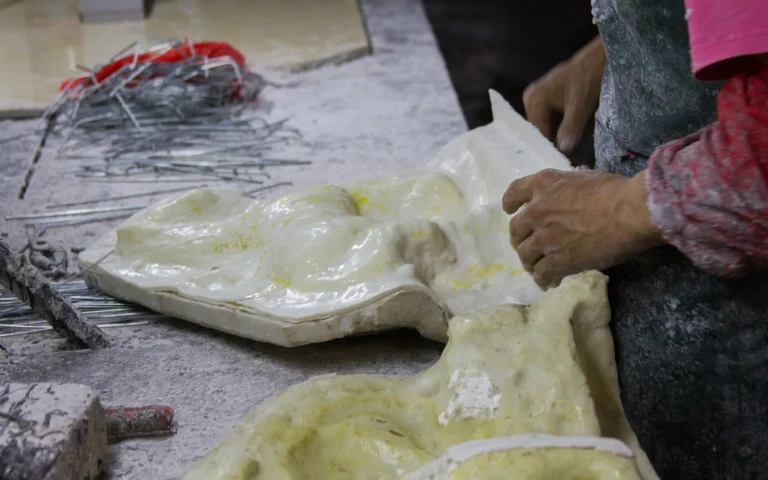
A credible supplier should be able to show where the pieces are made, which materials are used and how quality is checked before shipping. Ask whether production happens in the supplier’s own workshop rather than through unnamed subcontractors. A factory visit, even a recorded one, and a set of product photographs that match the samples are basic evidence. Request details on the finishing, curing and drying steps and the packaging standard, not only the catalogue image.
Saint Art was founded in 2023 in Dehua, Fujian, the region known for ceramic and decorative-arts production, and works across resin, metal, ceramic, crystal glass, fabric, shell and bamboo. The studio lists the Canton Fair among its trade channels and runs OEM and ODM programmes for buyers who need private-label or bespoke pieces. References matter more than a polished website: ask for recent projects in the same category, whether a hotel lobby, a restaurant dining room or a retail fit-out, and for a contact who can describe how the order actually went.
Materials that survive hotels and restaurants
Commercial spaces are harder on decor than homes. Pieces are touched, bumped, dusted daily and sometimes moved by staff, so material choice is a durability decision before it is an aesthetic one. Polyresin is common for decorative wall panels and sculpture because it holds fine detail, accepts paint and patina, and stays lighter than solid stone or metal. Ceramic and crystal glass read more formal but need more careful handling, while metal offers strength for high-traffic areas.
For a hospitality project, a matte resin finish is usually easier to maintain than a high-gloss glaze, and a sealed surface is simpler for staff to wipe down between guests. Confirm how the finish responds to cleaning products and how it ages under the lighting the space will use, especially near cooking fumes or strong window light.

Hotel decor wholesale and volume buying
When a project needs many identical pieces, hotel decor wholesale changes the conversation from unit price to repeatability. Ask whether every piece comes from the same mould and the same finishing batch, because colour and patina can drift between production runs. Confirm the minimum order quantity and whether it applies per style or across a combined order, and whether the supplier can hold stock for a phased delivery that matches the construction schedule.
Contract furnishing accessories often carry volume discounts, but the discount is worth little if quality is inconsistent. Request a pre-production sample before the full run, and agree how a sample is approved, photographed and held as the reference for the rest of the order. That single step prevents most disputes about finish.
Specify decor to a design brief
Hospitality FF&E decor should be specified like any other furniture item, with dimensions, weight, fixing method and intended environment written down. Wall pieces in public areas may need to meet fire and safety requirements, and anything mounted above head height must have a clear load path. State the wall construction, the climate and the cleaning routine in the brief so the supplier can confirm the material and coating are suitable.
A good brief also sets expectations for scale. Include the viewing distance and the ceiling height, not just the room width, and note any weight limits for shelves or glass display surfaces. The clearer the brief, the fewer assumptions the factory has to make.
Restaurant and bar wall decor
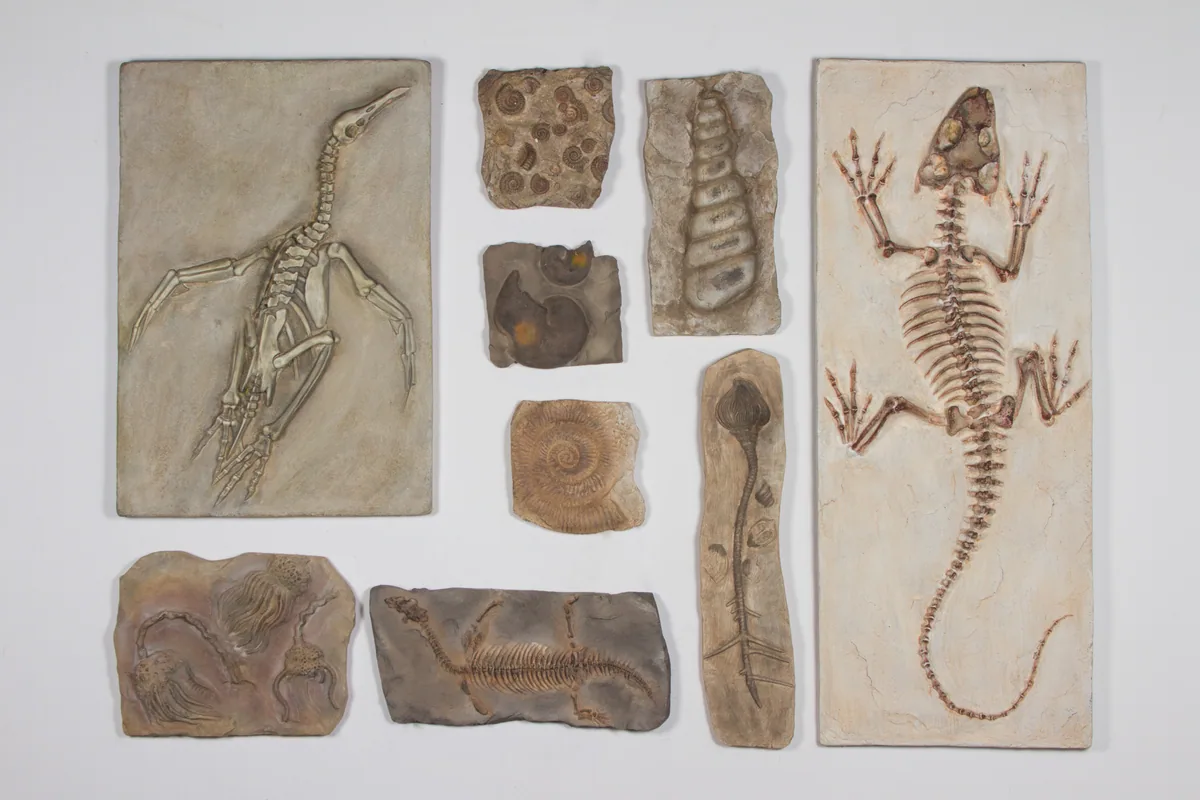
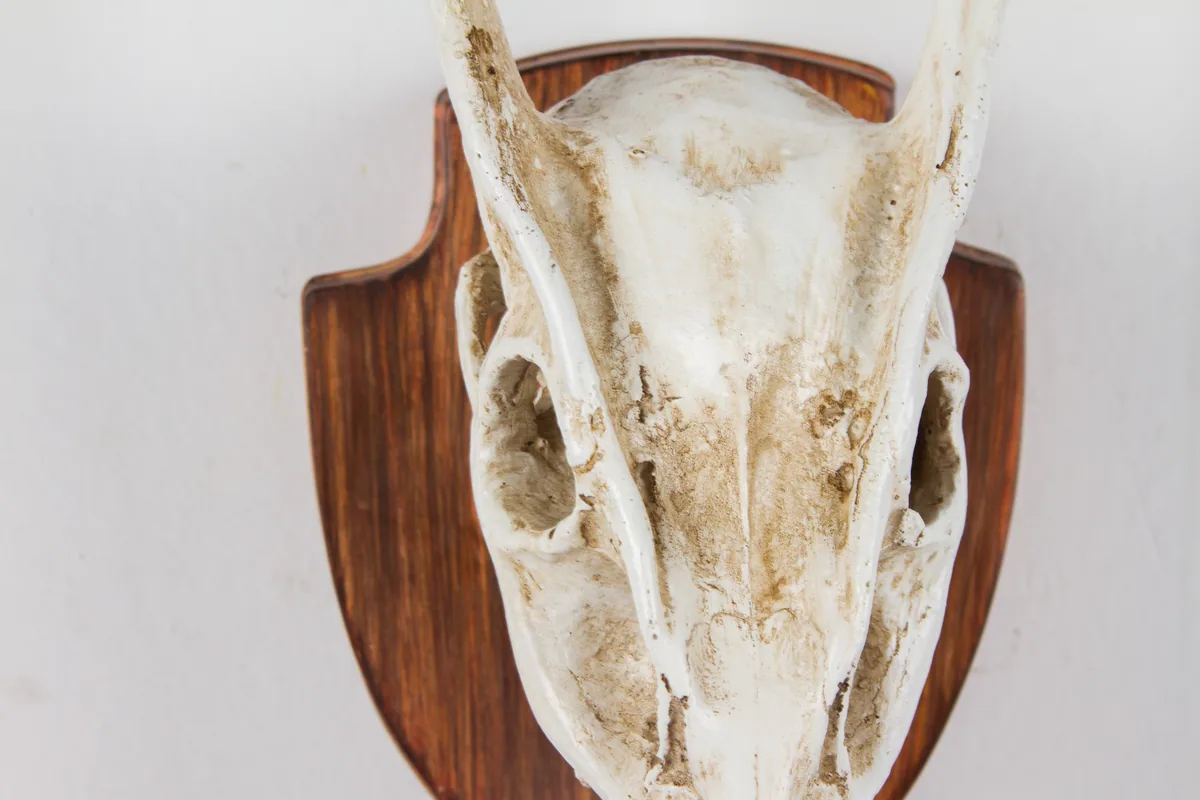
Restaurants and bars use wall decor to set a mood, so a restaurant wall decor supplier should offer pieces that work at the distance diners actually see them. Large fossil wall panels and textured reliefs read well across a room, while smaller studies reward closer viewing near a bar or a corridor. Trophy and animal skull wall mounts suit themed dining rooms, pubs and boutique hospitality settings where a collected, natural-history look is part of the concept.
For high-traffic walls, choose pieces with recessed or sealed detail that will not collect dust or grease. In a kitchen-adjacent dining area, consider how cooking fumes settle on a finish and specify a coating that can be wiped down without dulling.
Custom OEM and ODM for boutique projects
Boutique hotel styling objects often need a custom shape, size, colour or private-label treatment rather than a stock item. OEM means producing a design you already own, while ODM means the supplier contributes the design and you brand it. Custom work should start with drawings and a reference sample, then a pre-production sample you can inspect and approve before the run. Ask how revisions are handled and how many are included, and confirm the final unit and the packaging before signing off.
Quality control, packing and lead time
Quality control should be visible. Ask how the supplier checks dimensions, colour and finish, and whether a random sample is inspected before cartons are sealed. For fragile decor, export packing should protect edges and raised details, and a drop-tested carton design is a reasonable expectation for shipping across continents.
Lead times in home decor production are typically quoted in weeks rather than days, but the exact window depends on whether the order is stock, made-to-order or fully custom. Treat any promised date as a range until the sample is approved and the production slot is confirmed, and plan early enough to absorb a customs or freight delay without missing the opening date.
A short supplier checklist
- Confirm the workshop, materials and finishing process, not just the catalogue.
- Request references from projects in the same hospitality category.
- Approve a pre-production sample and hold it as the quality reference.
- Confirm MOQ, phased delivery and freight terms in writing.
- Check fire, safety and fixing requirements for public areas.
- Approve final dimensions, colours and packaging before production.
Our prehistoric fossil wall panels and oracle bone shell relief cover large-format wall decor, while the trophy skull wall mounts and the neoclassical golf bookend add object decor for boutiques and bars. The Saint Art studio profile explains the materials and production region, and the custom and trade page is where to send a hospitality brief.
Further reading: BIFMA commercial furniture and FF&E standards, American Hotel & Lodging Association industry resources.
Frequently asked questions
How do I choose a commercial interior decor supplier?
Ask to see the workshop, the finishing process and the quality-control steps, not just catalogue images. Request references from similar hospitality projects, approve a pre-production sample, and confirm the minimum order quantity, lead time and freight terms in writing.
What materials hold up best in hotels and restaurants?
Polyresin holds fine detail and stays lighter than stone, making it common for wall panels and sculpture, while metal suits high-traffic areas and ceramic or crystal glass reads more formal. A sealed matte finish is easier for staff to wipe down between guests.
Can hospitality decor be customised to a design brief?
Yes, an OEM or ODM programme can produce a bespoke size, colour or private-label version of a stock design. Start with drawings and a reference sample, then approve a pre-production sample and confirm the number of included revisions before production begins.
What is a typical lead time for hospitality decor?
Lead times vary with whether the order is stock, made-to-order or fully custom, so treat any promised date as a range until the sample is approved and the production slot is confirmed. Plan early enough to absorb a customs or freight delay.
What are the MOQ requirements for a hotel project?
Minimum order quantities depend on the product and the production method, and they may apply per style or across a combined order. Confirm the MOQ and whether a phased delivery can match the construction schedule before committing to a volume.
{“@context”:”https://schema.org”,”@type”:”FAQPage”,”mainEntity”:[{“@type”:”Question”,”name”:”How do I choose a commercial interior decor supplier?”,”acceptedAnswer”:{“@type”:”Answer”,”text”:”Ask to see the workshop, the finishing process and the quality-control steps, not just catalogue images. Request references from similar hospitality projects, approve a pre-production sample, and confirm the minimum order quantity, lead time and freight terms in writing.”}},{“@type”:”Question”,”name”:”What materials hold up best in hotels and restaurants?”,”acceptedAnswer”:{“@type”:”Answer”,”text”:”Polyresin holds fine detail and stays lighter than stone, making it common for wall panels and sculpture, while metal suits high-traffic areas and ceramic or crystal glass reads more formal. A sealed matte finish is easier for staff to wipe down between guests.”}},{“@type”:”Question”,”name”:”Can hospitality decor be customised to a design brief?”,”acceptedAnswer”:{“@type”:”Answer”,”text”:”Yes, an OEM or ODM programme can produce a bespoke size, colour or private-label version of a stock design. Start with drawings and a reference sample, then approve a pre-production sample and confirm the number of included revisions before production begins.”}},{“@type”:”Question”,”name”:”What is a typical lead time for hospitality decor?”,”acceptedAnswer”:{“@type”:”Answer”,”text”:”Lead times vary with whether the order is stock, made-to-order or fully custom, so treat any promised date as a range until the sample is approved and the production slot is confirmed. Plan early enough to absorb a customs or freight delay.”}},{“@type”:”Question”,”name”:”What are the MOQ requirements for a hotel project?”,”acceptedAnswer”:{“@type”:”Answer”,”text”:”Minimum order quantities depend on the product and the production method, and they may apply per style or across a combined order. Confirm the MOQ and whether a phased delivery can match the construction schedule before committing to a volume.”}}]}