Home Decor Export Packaging: A Buyer’s Specification Guide
Home decor export packaging is not one box chosen at the end of production. It is a protective system that starts with the object’s shape, weight and fragile details, then extends through the inner pack, retail carton, master carton, markings and shipment approval. A beautiful product can still arrive unsellable if the pack allows movement or places pressure on the wrong part.
This guide is for importers, retail buyers and project teams specifying decorative objects in resin, ceramic, metal, glass or mixed materials. It focuses on the questions that should be settled before a sample is approved, without assuming a particular order quantity or production lead time.
What should home decor export packaging achieve?
Home decor export packaging should keep the product stable through handling, vibration, stacking and drops while preserving the retail presentation inside. It must also make the item easy to identify, inspect and unpack. The best specification considers both the product’s vulnerable points and the way the retailer will receive, store and display it.
Start with a failure review. Look at protruding ears, fingers, horns, stands, thin legs, wall brackets and glossy surfaces. Mark the areas that cannot take pressure, then design the inner pack to hold the strongest part of the object rather than squeezing the decorative surface.
Map the fragile points before choosing materials
A protective packaging for sculpture brief should identify every likely failure mode. Resin can chip at thin edges or crack at a joint. Ceramic can fracture under point pressure. Metal can bend or scratch. Glass can suffer edge impact even when the carton looks intact from the outside.
Photograph the product from the front, side, base and back. Add notes for weight distribution and any removable parts. The pack should prevent movement in three directions and avoid direct contact between hard components. Foam, moulded pulp, corrugated inserts and tissue are tools, not automatic solutions; each must match the actual object.
Design the inner pack around the product shape
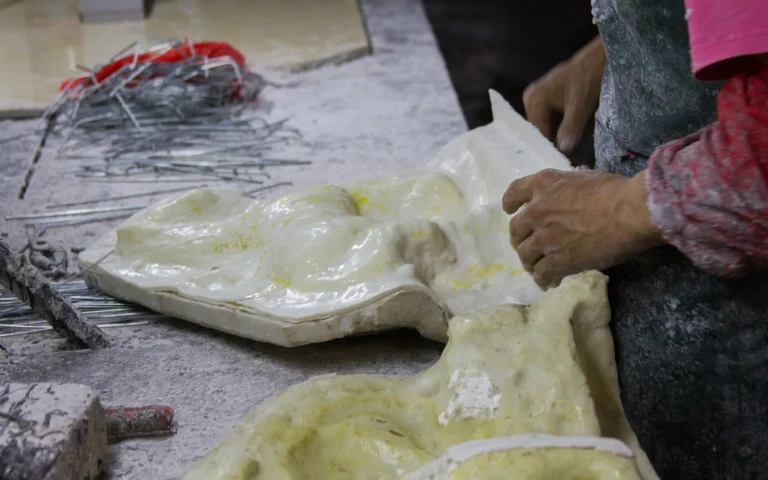
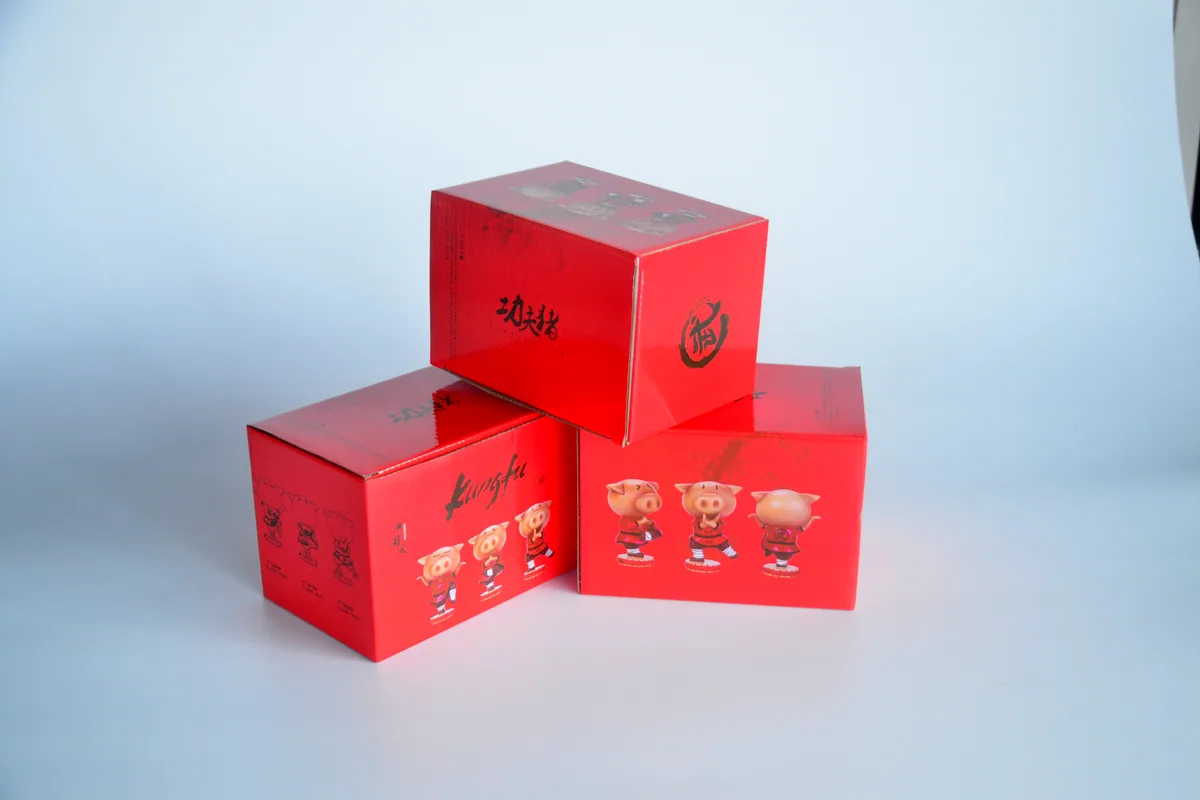
A fitted inner pack can hold a sculpture away from the carton walls and reduce movement. For a complex object, a two-part moulded insert may be more reliable than loose fill because it controls the position of the base and protects the decorative face. For a flat wall piece, edge protection and a rigid face layer may matter more than cushioning at the centre.
Test the pack by closing it and gently tilting it before any shipment. The product should not shift audibly or require the user to force it out. Opening should be intuitive, because a retail customer may need to inspect the item without damaging the pack.
Separate transit protection from retail presentation
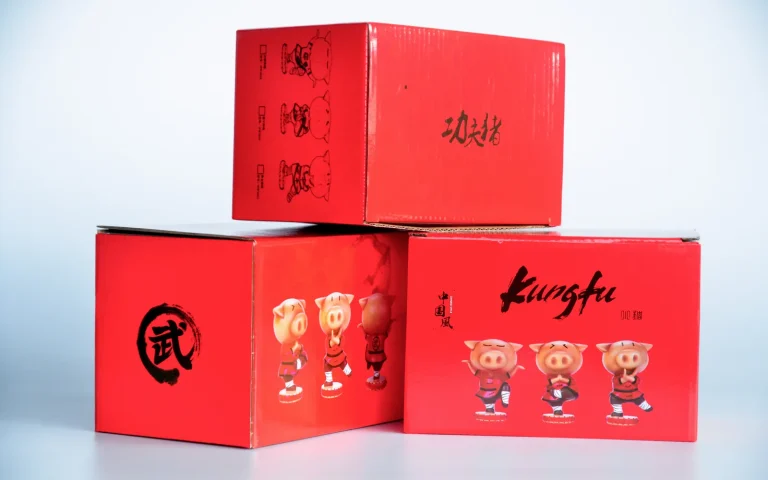
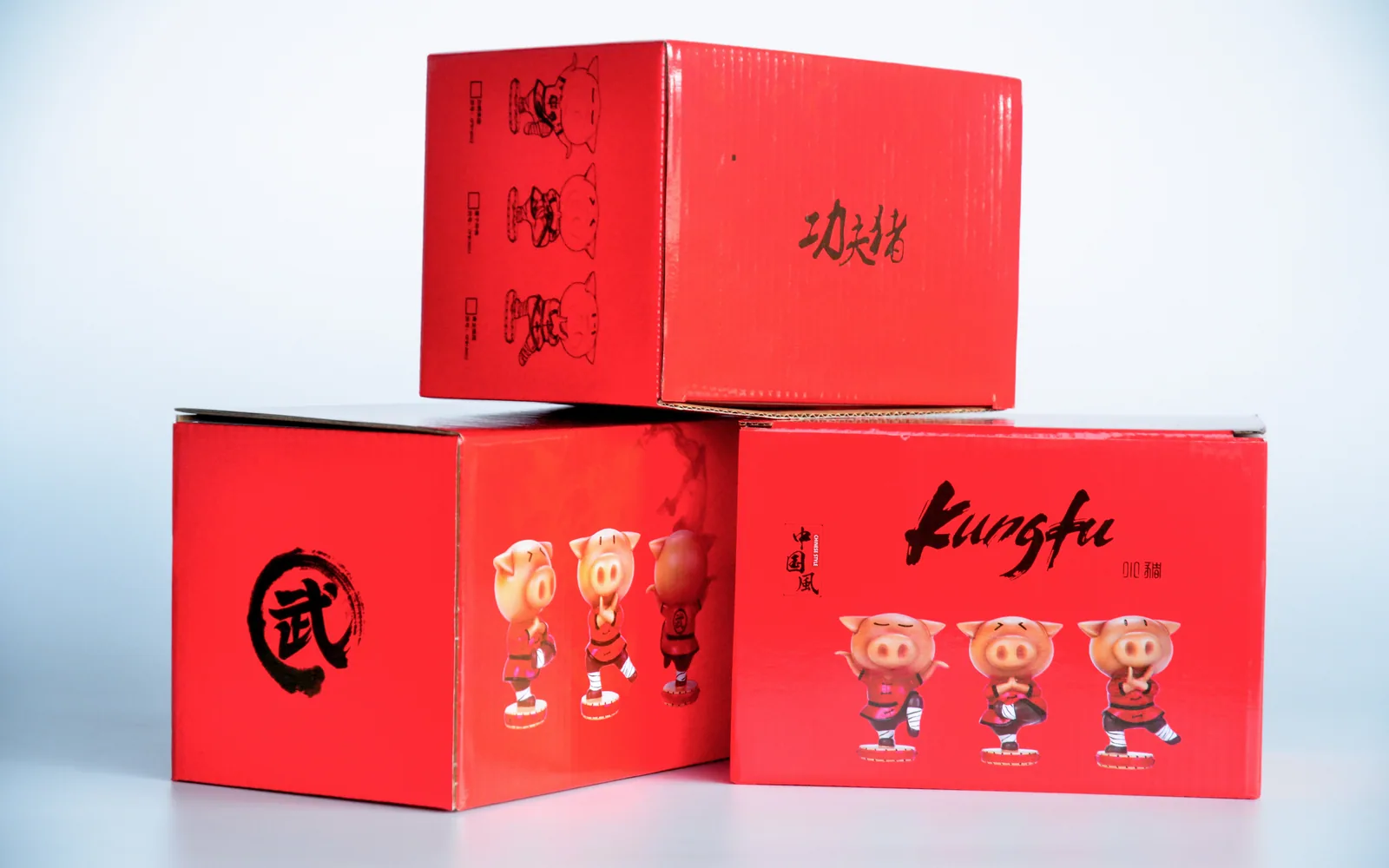
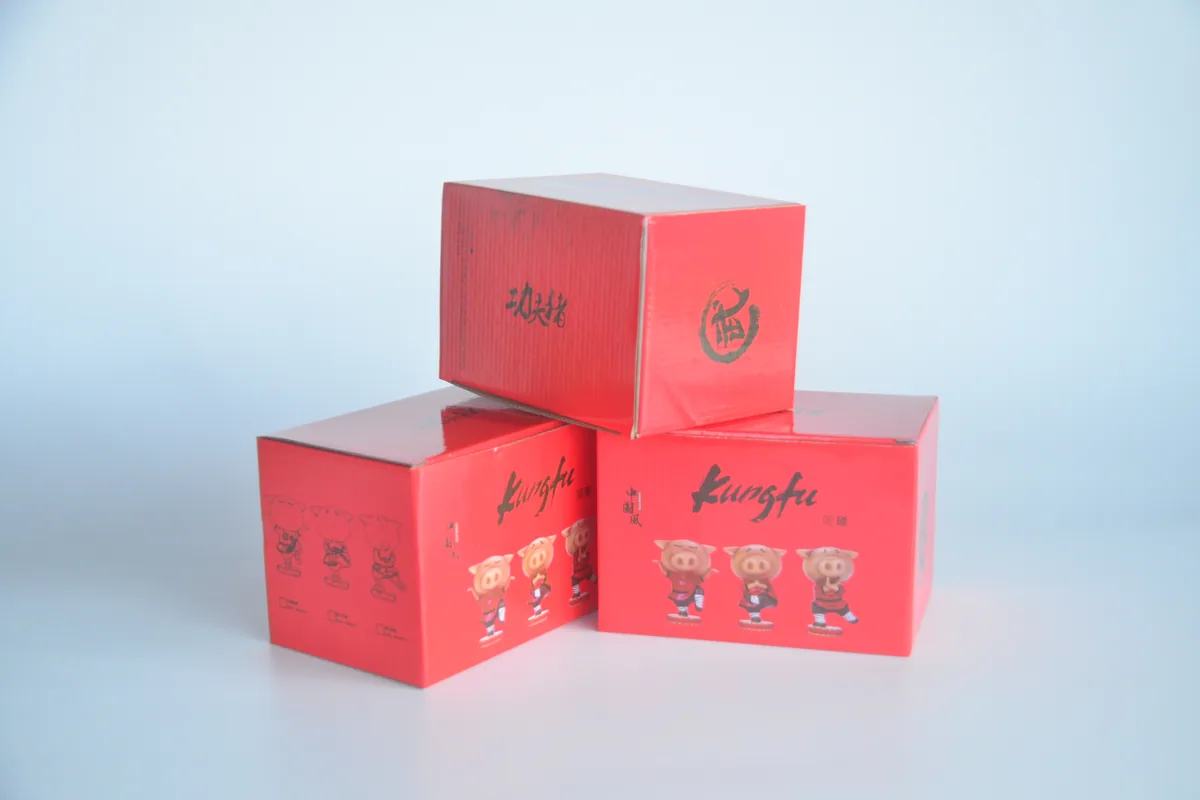
A retail carton and a master carton do different jobs. The retail box carries the brand, product image, material note and care information. The master carton protects several retail units during pallet handling and transport. A strong design makes the relationship clear so a retailer does not have to guess which layer is the selling unit.
If the product is sold without a printed retail box, use a clean inner wrap and a clear label. If the retail pack is visible in a shop, inspect print registration, colour and edge quality under store lighting. Packaging that looks premium online but scuffs easily in the warehouse creates unnecessary returns and markdowns.
Set an export carton specification
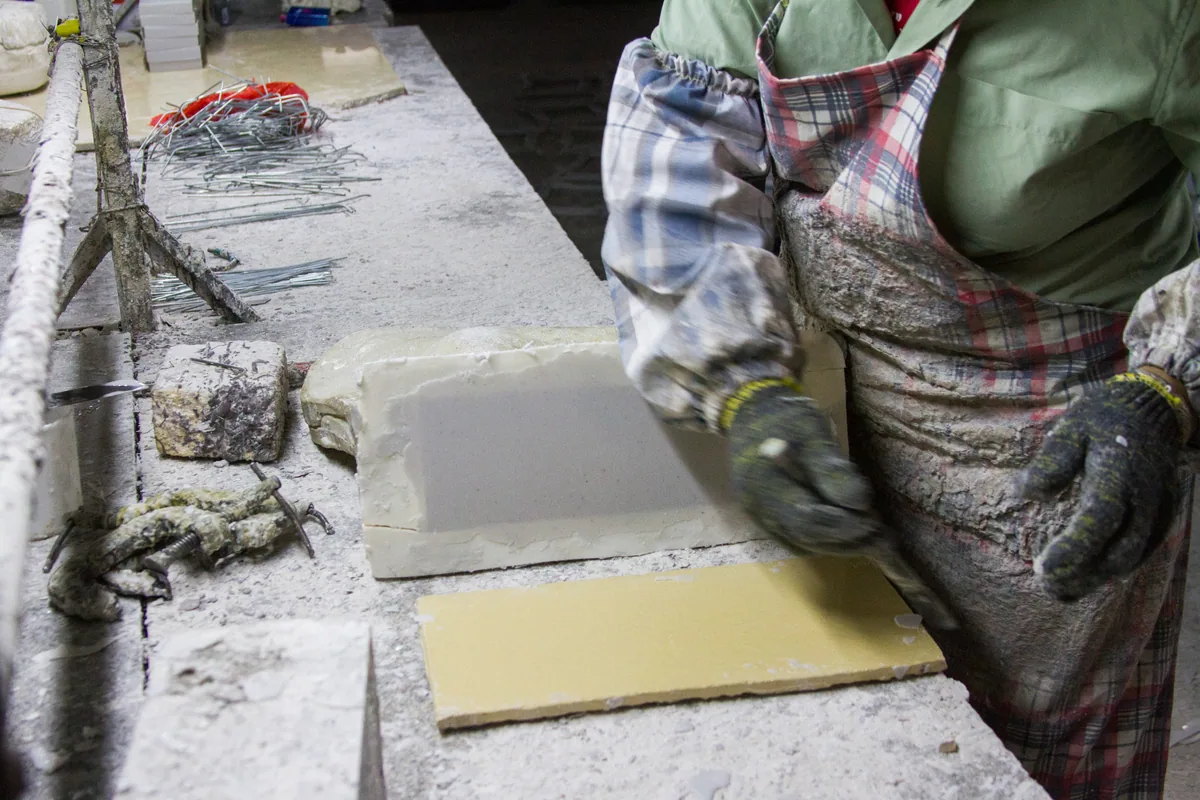
An export carton specification should record board grade, internal dimensions, packed weight, carton quantity, closure method, barcode placement and handling marks. It should also define the acceptable tolerance for the product inside. A carton that is too large wastes cube and allows movement; one that is too tight can make packing slow or crush an outer edge.
Ask for a dieline and a physical sample before mass production. Check that the master carton can be closed squarely, stacked without collapsing at the corners and opened without cutting the retail pack. The carton should be strong enough for the intended shipping method, not merely strong enough to survive a warehouse shelf.
Use carton testing for decor
Carton testing for decor should reproduce the risks of the actual route. A drop tested packaging sample gives more useful evidence than a verbal promise, but the test must use the finished product, retail pack and master carton together. Record the drop height, orientation, number of samples and inspection result.
Compression and vibration checks are also relevant when cartons travel by pallet or sea freight. International test standards provide a common vocabulary for these checks, but the buyer still needs to define the route and acceptance criteria. A pass should include a product inspection, not just a visual check that the outer box survived.
Make labeling and documentation part of the pack
Clear labels help the factory, freight forwarder, customs broker and retailer handle the shipment correctly. Product code, carton number, quantity, dimensions, gross weight and country of origin should match the commercial documents. Any warning or care statement printed on the retail pack needs approval before production.
Private-label buyers should also confirm who owns the artwork, dielines and photography used on the pack. Keep approved files in one version-controlled folder so the printer and factory are not working from different labels. This is especially important when several SKUs share a similar carton size.
Protect fragile home decor shipping through approval gates
Fragile home decor shipping improves when there are clear approval stages: product sample, inner-pack sample, retail-pack proof and packed master-carton sample. Each stage should resolve a different risk. Do not approve a printed carton before the inner fit is proven, and do not approve a shipment based only on photographs of the outer box.
Saint Art is based in Dehua, Fujian, and was founded in 2023. Its materials include resin, metal, ceramic, crystal glass, fabric, shell and bamboo, with OEM and ODM services available through the custom and trade page. The company profile provides the production and export context for buyers planning a decorative range.
A practical importer checklist
- List the fragile points and photograph every side of the product.
- Confirm who supplies the inner pack, retail carton and master carton.
- Approve a physical pack with the finished product inside.
- Record carton dimensions, weight, quantity and closure method.
- Run a drop, compression or vibration check appropriate to the route.
- Inspect the product after testing, not only the carton.
- Keep artwork, labels and barcode files version-controlled.
For teams developing a new object, the custom dinosaur skeleton shows why early product engineering and packaging planning should be linked. Review the wider project case studies when the shipment needs a coordinated retail or hospitality presentation.
Why the packaging plan belongs in the product brief
Packaging affects cost, cube, damage risk and the customer’s first impression. When it is treated as a late add-on, the team often has to choose between a larger carton, a more expensive insert or a product redesign. Bringing the pack into the product brief makes those trade-offs visible while the shape and material are still open.
The strongest home decor export packaging is not the heaviest or the most elaborate. It is the system that holds the product correctly, supports the retail story and can be repeated consistently across production. A clear specification turns that system into something a factory, inspector and buyer can all check.
Further reading: ISTA transit packaging test standards, ASTM packaging standards catalogue.
Frequently asked questions
What is the most important part of home decor export packaging?
The critical part is control of movement and pressure around the product’s most fragile details. A fitted inner pack, a correctly sized carton and a tested closure matter more than adding layers of material without a specific purpose.
How should fragile sculpture be packed for export?
Identify thin or protruding parts, support the strongest section of the object and keep the decorative face away from carton walls. A physical sample should then be drop tested with the finished product packed inside.
What is included in an export carton specification?
A useful specification records board grade, internal dimensions, packed weight, carton quantity, closure method, label position and product tolerance. It should also name the required test, acceptance criteria and the documents that travel with the shipment.
Can retail packaging and shipping cartons be designed together?
Yes, and they should be reviewed together. The retail carton carries the brand and product information, while the master carton protects several units. Designing both at once reduces wasted cube and prevents one layer from damaging the other.
{“@context”:”https://schema.org”,”@type”:”FAQPage”,”mainEntity”:[{“@type”:”Question”,”name”:”What is the most important part of home decor export packaging?”,”acceptedAnswer”:{“@type”:”Answer”,”text”:”The critical part is control of movement and pressure around the product’s most fragile details. A fitted inner pack, a correctly sized carton and a tested closure matter more than adding layers of material without a specific purpose.”}},{“@type”:”Question”,”name”:”How should fragile sculpture be packed for export?”,”acceptedAnswer”:{“@type”:”Answer”,”text”:”Identify thin or protruding parts, support the strongest section of the object and keep the decorative face away from carton walls. A physical sample should then be drop tested with the finished product packed inside.”}},{“@type”:”Question”,”name”:”What is included in an export carton specification?”,”acceptedAnswer”:{“@type”:”Answer”,”text”:”A useful specification records board grade, internal dimensions, packed weight, carton quantity, closure method, label position and product tolerance. It should also name the required test, acceptance criteria and the documents that travel with the shipment.”}},{“@type”:”Question”,”name”:”Can retail packaging and shipping cartons be designed together?”,”acceptedAnswer”:{“@type”:”Answer”,”text”:”Yes, and they should be reviewed together. The retail carton carries the brand and product information, while the master carton protects several units. Designing both at once reduces wasted cube and prevents one layer from damaging the other.”}}]}