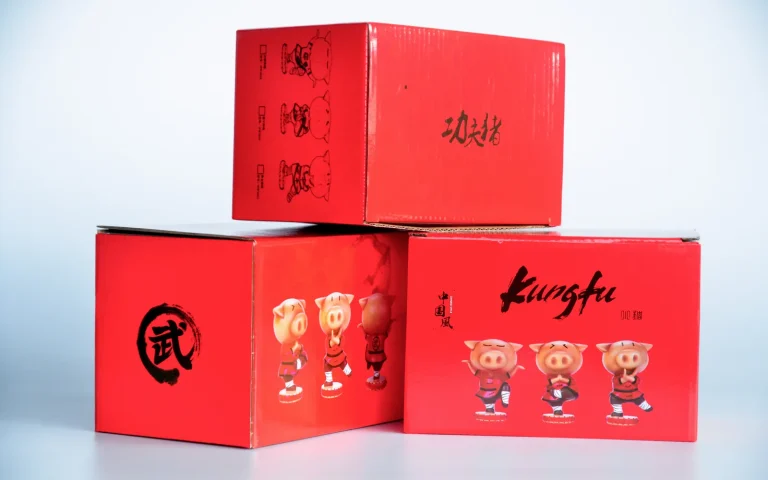
Shipping Fragile Home Decor: An Export Packing Guide for Buyers
Shipping fragile home decor is usually described as a packing problem, but most damage starts earlier. A product with an unsupported leg, a carton that cannot take stacking or a retail box that is too tight will fail no matter how much bubble wrap is added at the end. Good export packing is a designed system: product, inner protection, carton and handling conditions all have to agree.
Identify the failure points first
Before choosing a carton, inspect the piece and list the places where force will concentrate. A figurine may fail at a thin wrist, a raised wing or the joint between the base and the body. A wall relief may crack at the mounting hole or distort at an unsupported corner. A large skeleton can bend where long sections meet the armature.
Use a sample piece and apply gentle pressure where the object would be lifted or compressed. This is not a substitute for formal testing, but it shows where the packing needs a bridge, a cradle or a separate support. If the product cannot survive ordinary handling, the fix belongs in the design or the mould, not in another layer of tape.
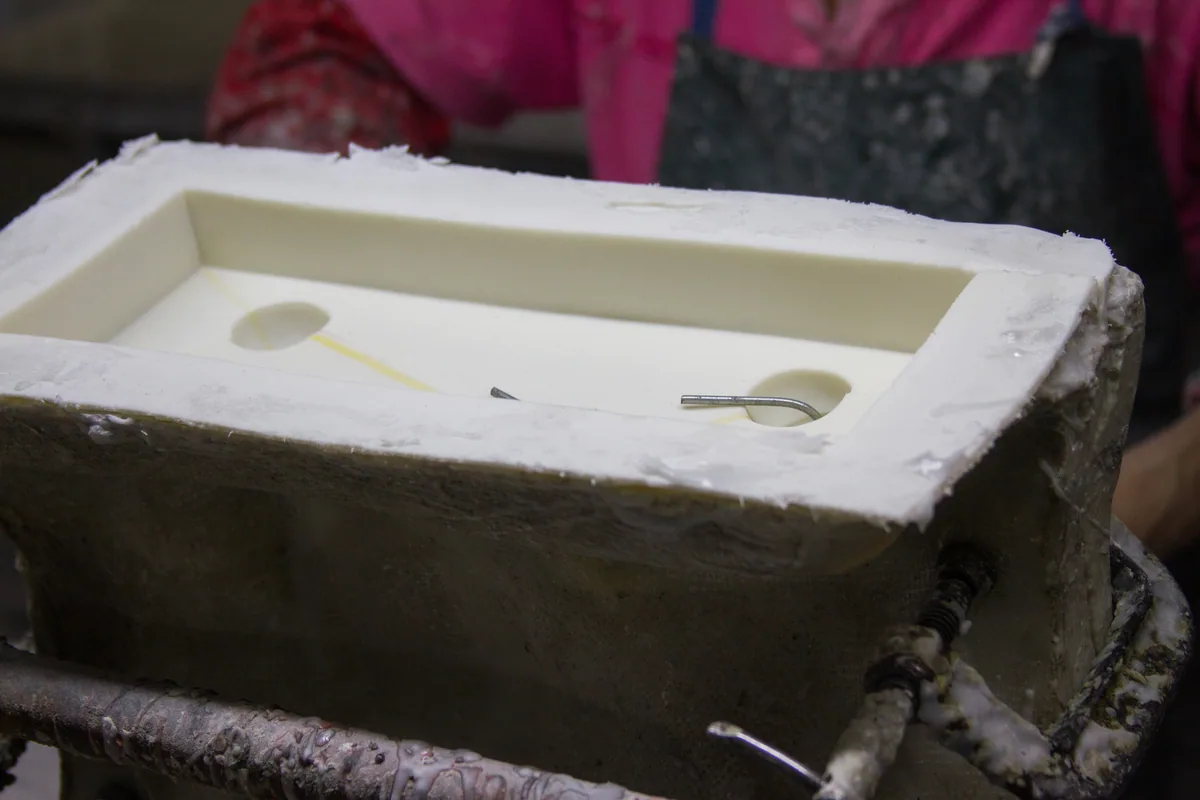
The layers of protective packaging
Protective packaging for sculpture usually has three jobs: prevent surface contact, control movement and absorb an impact before it reaches the product. Soft wrapping protects the finish. A fitted inner partition controls movement. A strong outer carton carries the stacking and handling loads.
Bubble wrap is useful as a surface layer, but loose bubble wrap alone allows a heavy object to shift. Foam, moulded pulp or folded corrugated inserts should hold the piece in place with enough clearance to avoid direct contact with the carton wall. Put the soft layer against the product and the structural support outside it.
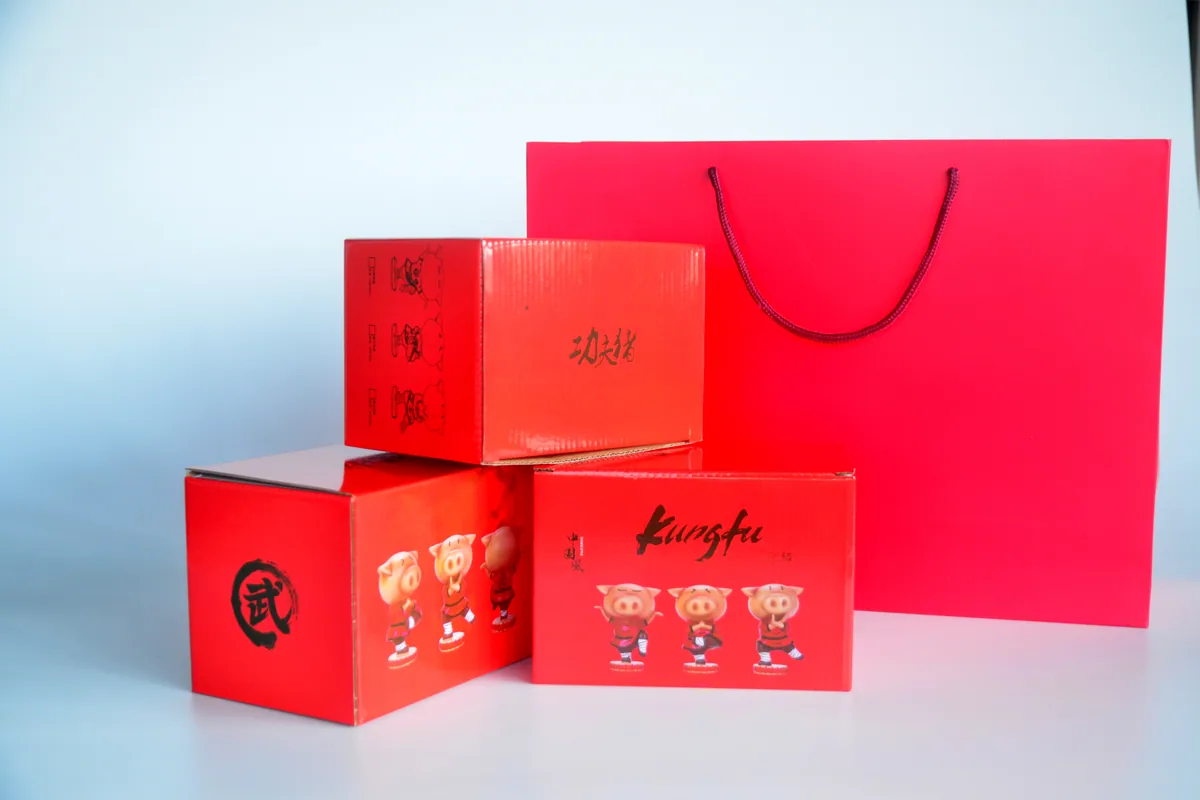
Carton choice and drop testing
The carton specification should match the packed weight, the number of pieces and the shipping route. A double-wall or reinforced corrugated board is common for fragile decor, but the board grade matters less than the complete package. Carton testing for decor should include a drop on a corner, an edge and a flat face, plus compression or stacking for the expected pallet load.
Test the way the parcel will actually travel. A small courier box may be thrown and sorted individually, while a carton inside a container experiences compression, vibration and long periods of stacking. A package that passes one test is not automatically suitable for the other.

Packing sets and multi-piece orders
Sets need a packing plan that keeps matching pieces together without allowing them to touch. Use a fitted divider or a labelled compartment, and keep heavy pieces at the bottom of the carton. If a set contains ceramic, glass and resin, do not assume the strongest material can protect the most fragile one; each piece needs its own movement control.
For replacement parts and samples, label the carton clearly and include a packing list inside as well as on the outside. A buyer should be able to identify the contents without opening every box on a mixed pallet.
Reducing freight cost without reducing protection
Freight costs for home accessories are often driven by volume rather than weight. A smaller carton can reduce the chargeable volume, but only if the packing still protects the product. Ask the supplier for packed dimensions before quoting, not just product dimensions.
Where the design allows, removable bases, nested components or a flatter retail package can reduce empty space. Do not solve the problem by removing the internal partition. The cheapest carton is the one that arrives intact with the goods inside.
Documentation, cartons and Incoterms
Agree the Incoterm before comparing quotations. EXW, FOB, CIF and DDP allocate freight, insurance, duty and destination charges differently, so two prices based on different terms are not comparable. The packing specification should be part of the quotation rather than an informal assumption.
Confirm carton marks, barcode placement, country-of-origin statements and any retail-labelling requirement before production. If the buyer has a routing guide, send it to the supplier early. Last-minute changes to carton size or labels can create new handling risks after the packaging has already been approved.
A practical pre-shipment checklist
- Inspect one packed sample from every fragile SKU.
- Check that the product cannot move when the carton is gently shaken.
- Confirm the board grade, internal partition and carton dimensions in writing.
- Review the drop and compression test result for the packed weight.
- Photograph the open carton, the closed carton and the pallet arrangement.
- Match carton labels and packing list against the purchase order.
Our custom dinosaur skeleton projects often need bespoke internal supports, while the shipping information page covers the export process in more detail. For a new range, send the target market and packing requirement through the custom and trade enquiry page before sampling begins.
Further reading: International Safe Transit Association.
Frequently asked questions
How is fragile decor packed for export?
Fragile decor is typically protected with a soft surface layer, a fitted foam or corrugated insert that controls movement, and a strong outer carton. Heavy pieces sit low, fragile edges get clearance, and the complete packed unit is tested rather than relying on wrapping alone.
What carton tests should decor pass?
Test a corner, edge and flat-face drop, then add compression or stacking for the expected pallet load. The test should reflect the real route: courier parcels face different handling from cartons packed inside a container or stacked on a pallet.
How do you reduce freight cost on bulky decor?
Reduce empty volume with nested parts, removable bases or better carton dimensions, and quote packed volume rather than product size alone. Never remove the internal partition or protective clearance just to make the carton smaller.
What Incoterms are used for home decor exports?
EXW, FOB, CIF and DDP are common, but the right choice depends on who controls freight, insurance and import clearance. Compare quotations on the same Incoterm and make the approved packing specification part of the commercial documents.
{“@context”:”https://schema.org”,”@type”:”FAQPage”,”mainEntity”:[{“@type”:”Question”,”name”:”How is fragile decor packed for export?”,”acceptedAnswer”:{“@type”:”Answer”,”text”:”Fragile decor is typically protected with a soft surface layer, a fitted foam or corrugated insert that controls movement, and a strong outer carton. Heavy pieces sit low, fragile edges get clearance, and the complete packed unit is tested rather than relying on wrapping alone.”}},{“@type”:”Question”,”name”:”What carton tests should decor pass?”,”acceptedAnswer”:{“@type”:”Answer”,”text”:”Test a corner, edge and flat-face drop, then add compression or stacking for the expected pallet load. The test should reflect the real route: courier parcels face different handling from cartons packed inside a container or stacked on a pallet.”}},{“@type”:”Question”,”name”:”How do you reduce freight cost on bulky decor?”,”acceptedAnswer”:{“@type”:”Answer”,”text”:”Reduce empty volume with nested parts, removable bases or better carton dimensions, and quote packed volume rather than product size alone. Never remove the internal partition or protective clearance just to make the carton smaller.”}},{“@type”:”Question”,”name”:”What Incoterms are used for home decor exports?”,”acceptedAnswer”:{“@type”:”Answer”,”text”:”EXW, FOB, CIF and DDP are common, but the right choice depends on who controls freight, insurance and import clearance. Compare quotations on the same Incoterm and make the approved packing specification part of the commercial documents.”}}]}