Gifts for Collectors: Natural History Decor Worth Keeping
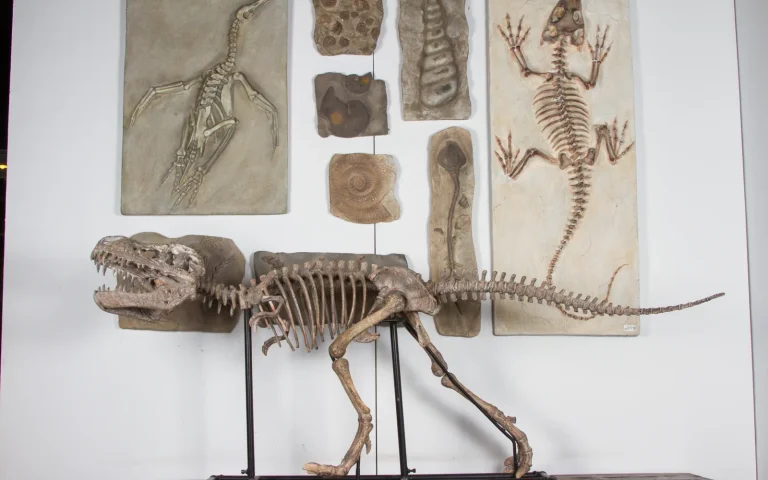
Gifts for collectors succeed when they connect to an existing interest instead of adding another generic object. For someone who loves natural history, science or interior styling, the best choices are small, detailed pieces that reward close looking: a fossil fish study piece, a set of insect fossil magnets, or a sculptural camel figure with a considered finish. These are not only home decor gifts; they are objects the recipient can place, handle and return to. This guide explains which pieces work for different collecting habits, how to judge quality before you buy, and how to present a fragile decor gift so it arrives intact.
Why collectors prefer object-led home decor gifts
Collectors already have a system. A good gift fits that system by offering detail, provenance of material and a clear place to display it. This is why object-led home decor gifts usually beat pattern-led textiles or short-lived styling accessories. A well-made sculpture gift becomes part of the collection rather than another item to store. For a science-minded recipient, a natural history object also carries a story that can be explained and shared.
Saint Art produces this kind of object in Dehua, Fujian, and works across resin, metal, ceramic, crystal glass, fabric, shell and bamboo. The studio was founded in 2023, sells to North America, Europe, Japan and Korea, and offers OEM and ODM services through its trade programme.
Fossil fish study pieces and science gifts for adults
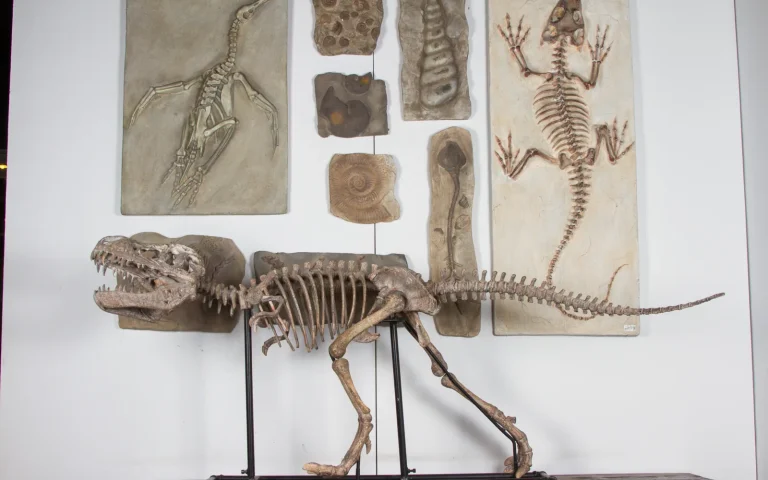
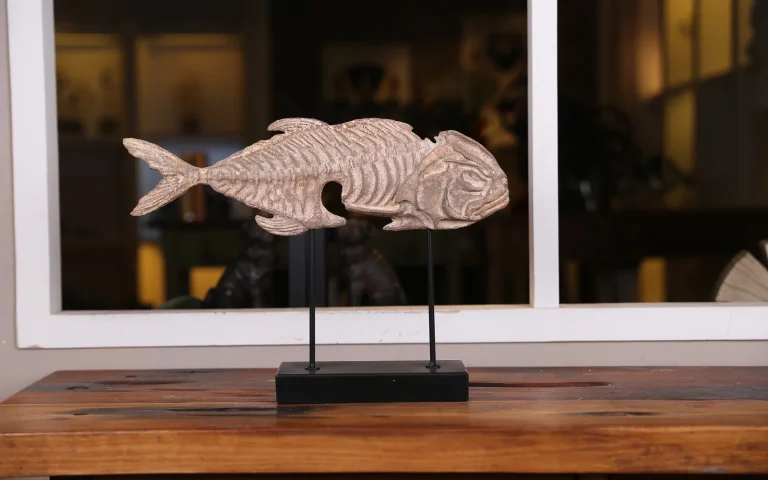
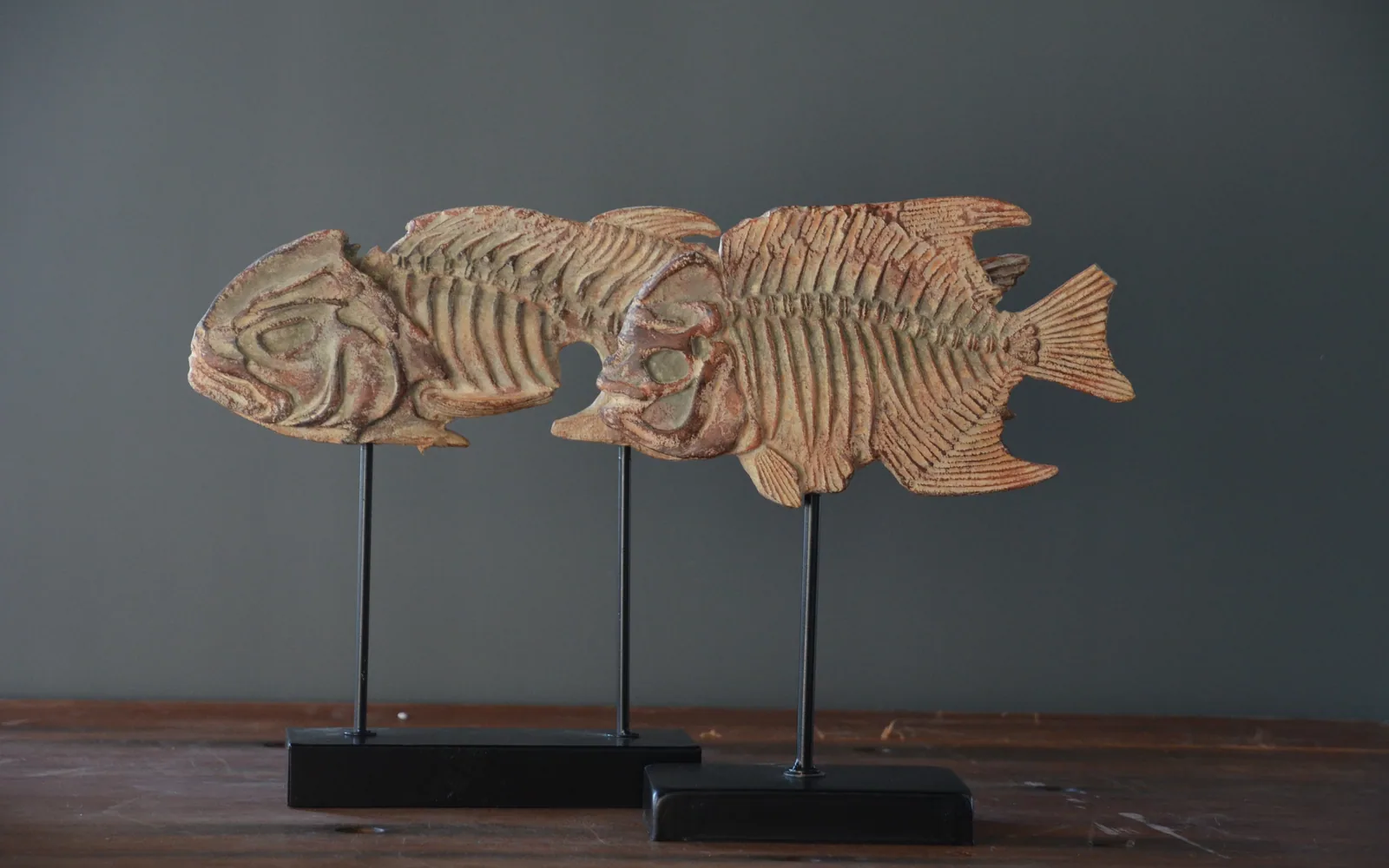
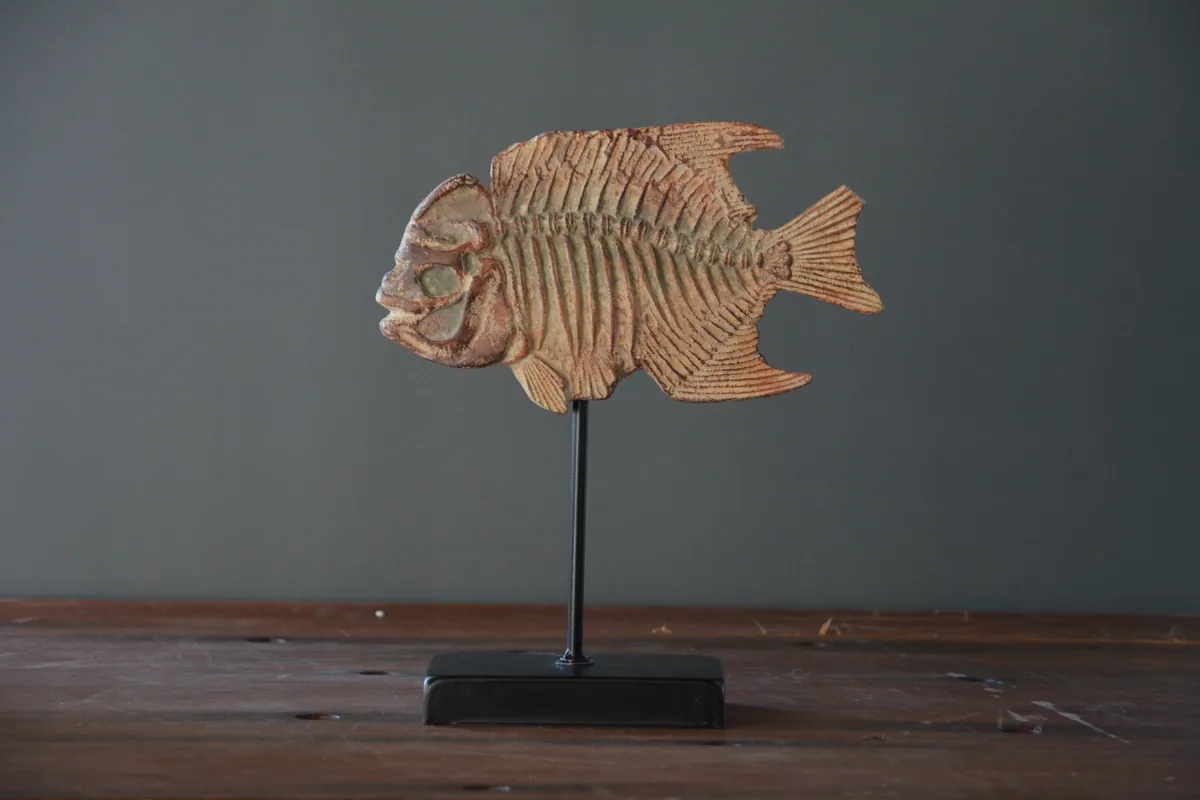
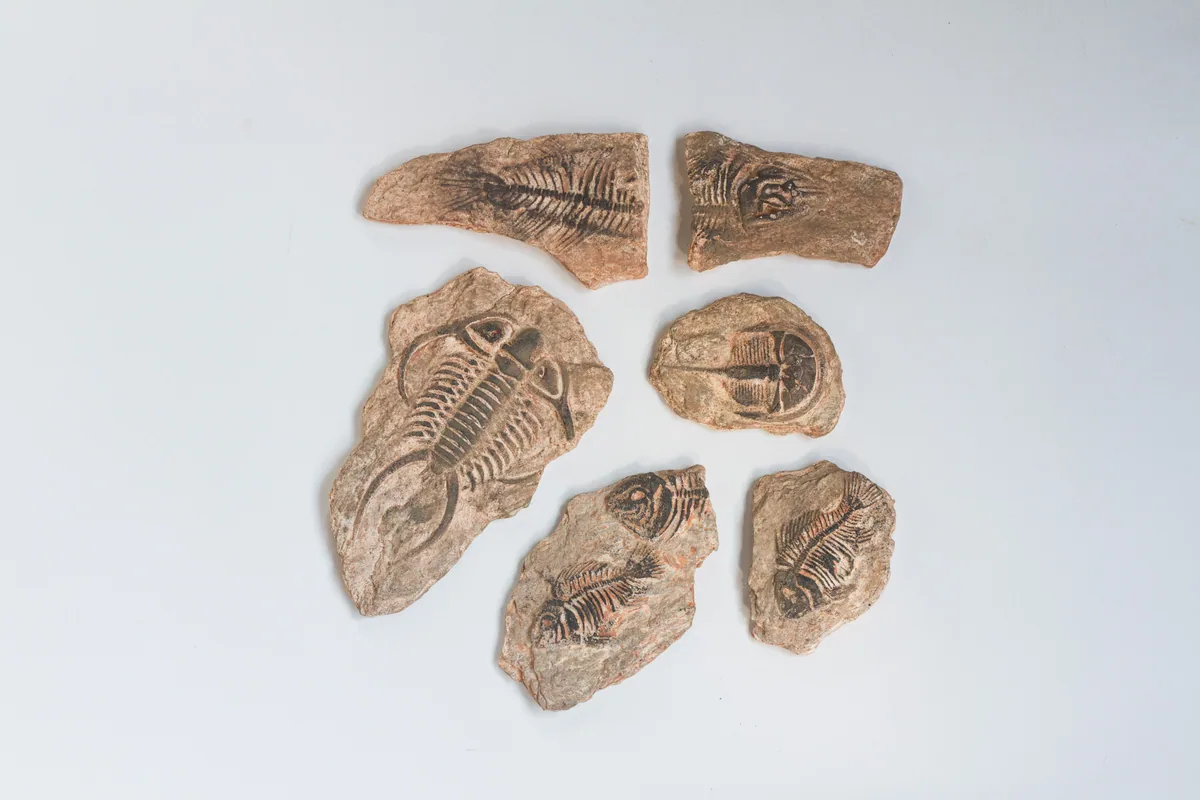
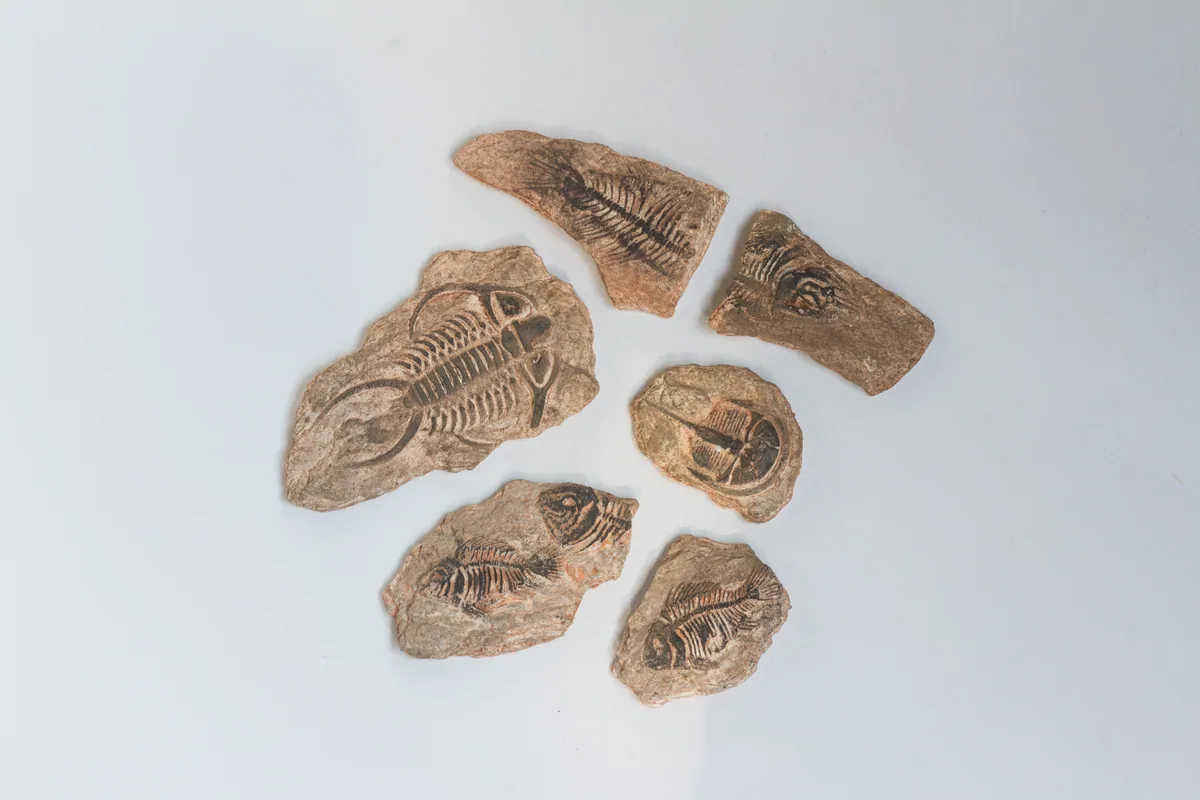
A resin fossil fish study piece is one of the most reliable science gifts for adults because it is visually specific without being fragile. The cast reproduces a fish pressed into stone, with raised fins, a legible outline and a neutral palette that suits a desk, shelf or reading table. Buyers should look for clean edges, crisp detail and a matte stone-like finish, and avoid casts with bubbles or a high-gloss topcoat.
The size is practical for a small apartment or a shared office. Our resin fossil fish study piece works as a standalone object, a paperweight or the start of a natural-history shelf.
Insect fossil magnets for compact collections
Insect fossil magnets make a useful gift when shelf space is limited. They reproduce beetle and dragonfly impressions in a flat-backed, magnetised form, so the recipient can arrange them on a fridge, a steel board or a magnetic panel. A set reads as a collection when grouped in a grid, but each piece also works alone. Choose a set with consistent sizing and a flat back so the magnets sit flush and do not wobble or scratch a surface.
For a housewarming, a set is a unique housewarming gift because it adds character without demanding wall holes or a large surface. See the insect fossil magnet collection for a ready-made set.
Sculptural pieces for interior design lovers
Gifts for interior design lovers should be objects they would choose themselves: restrained, sculptural and easy to move between rooms. A camel figure in a wood-tone or aged finish suits a bookshelf, mantel or console, and it carries enough silhouette to hold a vignette without becoming a novelty. Pair it with a stack of books, a small plant or a single lamp, and leave the surrounding surface open.
For a more literal sculpture gift idea, the caravan camel figure adds a grounded, collectible form that works in both modern and traditional rooms.
How to choose the right collector gift
Match the object to the collecting habit rather than the occasion. A natural history collector will value a fossil fish study piece more than a decorative vase. A design-focused recipient will notice material, finish and silhouette before theme. A science reader will appreciate an insect fossil set because it invites identification and arrangement. When in doubt, choose one small, well-made object over several inexpensive pieces; a single strong gift is easier to place and less likely to become clutter.
Check the material, dimensions and finish before buying, and ask for a straight-on photo if you are ordering online. For a private-label or wholesale order, confirm the sample process, minimum order quantity and lead time with the supplier.
How to package and present a fragile decor gift
A sculptural decor gift should be wrapped with a soft inner layer and a rigid outer box, with enough padding to stop the object from shifting. If the piece has fine detail, wrap those areas separately and add a note explaining what the object is and how to care for it. For a set of magnets, keep each piece separated by a thin sheet so the faces do not rub during transit.
If you are shipping direct to a recipient, use the supplier’s protective packaging rather than repacking the object yourself. See the Saint Art custom and trade page for order details, or the studio profile for the materials and production background.
Further reading: Smithsonian National Museum of Natural History collections, Victoria and Albert Museum collection resources.
Frequently asked questions
What is a good gift for a natural history collector?
A resin fossil fish study piece or a set of insect fossil magnets works well for a natural history collector. These pieces reward close viewing, fit on a desk or magnetic surface, and are made from resin with a stone-like finish rather than sourced from animals.
What is a unique housewarming gift?
A small sculptural object such as a fossil fish study piece, an insect fossil magnet set or a caravan camel figure is a unique housewarming gift because it adds character without requiring wall holes or a large surface. Choose one object with a clean, matte finish and give it a clear display spot.
Are resin fossil study pieces durable?
Resin fossil study pieces are lighter than stone and hold fine detail, but they should still be dusted with a soft cloth and kept away from prolonged direct sunlight. A paperweight-sized cast is sturdy enough for everyday handling, while fine fins and edges can chip if dropped or knocked against hard surfaces.
How should a fragile decor gift be packaged?
Wrap a fragile decor gift in a soft inner layer, place it in a rigid box and pad every side so it cannot shift. Wrap fine detail separately, add a care note, and keep individual magnets separated by thin sheets so their faces do not rub during transit.
{“@context”:”https://schema.org”,”@type”:”FAQPage”,”mainEntity”:[{“@type”:”Question”,”name”:”What is a good gift for a natural history collector?”,”acceptedAnswer”:{“@type”:”Answer”,”text”:”A resin fossil fish study piece or a set of insect fossil magnets works well for a natural history collector. These pieces reward close viewing, fit on a desk or magnetic surface, and are made from resin with a stone-like finish rather than sourced from animals.”}},{“@type”:”Question”,”name”:”What is a unique housewarming gift?”,”acceptedAnswer”:{“@type”:”Answer”,”text”:”A small sculptural object such as a fossil fish study piece, an insect fossil magnet set or a caravan camel figure is a unique housewarming gift because it adds character without requiring wall holes or a large surface. Choose one object with a clean, matte finish and give it a clear display spot.”}},{“@type”:”Question”,”name”:”Are resin fossil study pieces durable?”,”acceptedAnswer”:{“@type”:”Answer”,”text”:”Resin fossil study pieces are lighter than stone and hold fine detail, but they should still be dusted with a soft cloth and kept away from prolonged direct sunlight. A paperweight-sized cast is sturdy enough for everyday handling, while fine fins and edges can chip if dropped or knocked against hard surfaces.”}},{“@type”:”Question”,”name”:”How should a fragile decor gift be packaged?”,”acceptedAnswer”:{“@type”:”Answer”,”text”:”Wrap a fragile decor gift in a soft inner layer, place it in a rigid box and pad every side so it cannot shift. Wrap fine detail separately, add a care note, and keep individual magnets separated by thin sheets so their faces do not rub during transit.”}}]}