How to Choose Decorative Figurines for Shelves, Consoles and Gifts
Choosing decorative figurines is less about finding one beautiful object than about matching material, scale and finish to the surface where the piece will live. A piece that works on a side table can look lost on a wide console, and a painted figurine that flatters a bookshelf can feel busy on a nightstand. This guide walks through the decisions that matter most for buyers and interior designers, from material and weight to grouping, gifting and everyday care.
Choosing decorative figurines: start with material
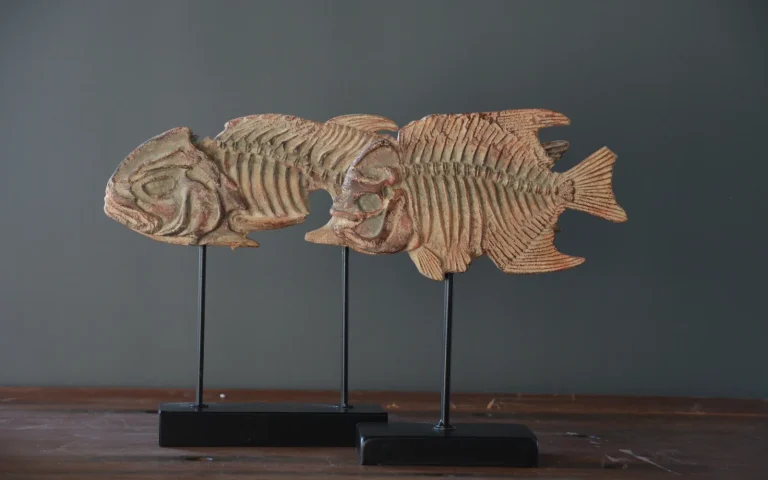
Material sets the tone before colour or subject does. Polyresin is the most common choice for decorative figurines because it holds crisp detail, takes paint and patina well, and stays relatively light for its size. Ceramic offers a cooler, harder surface and a more traditional feel, while cold-cast metal and hand-finished bronze looks read heavier and more formal. A resin cast can carry the same silhouette as a bronze-finish piece at a fraction of the weight, which matters on a floating shelf or a glass table.
Sculptural figurine decor benefits from a material that matches its setting. Saint Art produces across resin, metal, ceramic, crystal glass, fabric, shell and bamboo from its Dehua workshop, so the same form can often be specified in several materials. For a piece that sits near a lamp or a window, a matte resin finish is usually easier to live with than a high-gloss glaze, while a metal or bronze finish suits a study or a darker, more formal room.
Match scale and weight to the surface
Scale is the first thing the eye checks, and it is also the most common mistake. A figurine that is too small reads as clutter on a console, while one that is too large crowds a shelf and makes everything around it feel unstable. A useful rule is to let a single figurine occupy no more than about one third of the width of the surface it stands on, and to leave breathing room on at least one side.
For shelves, a height of roughly fifteen to twenty-five centimetres usually suits standard bookcase spacing, though the exact figure depends on the gap between shelves. Weight matters as much as size: a hollow resin piece can sit safely on a glass table, while a solid or metal piece belongs on a more substantial surface. When in doubt, choose a slightly smaller, heavier-looking piece rather than a larger, lighter one; presence comes from proportion more than height.
Finish, colour and how much detail a room can hold
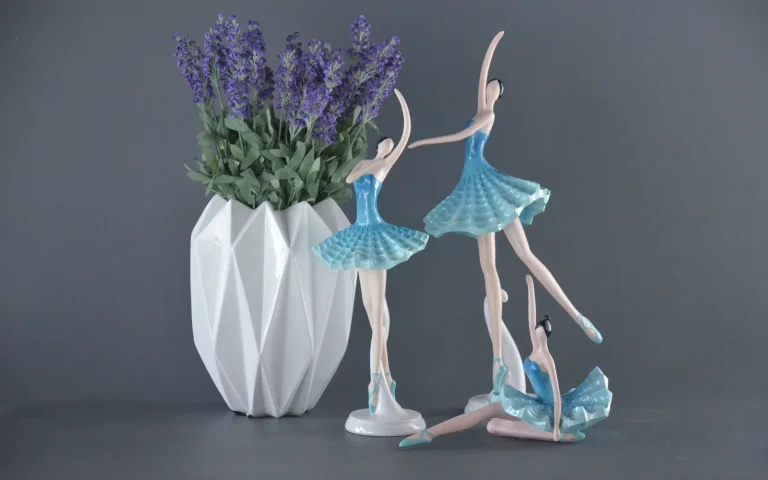
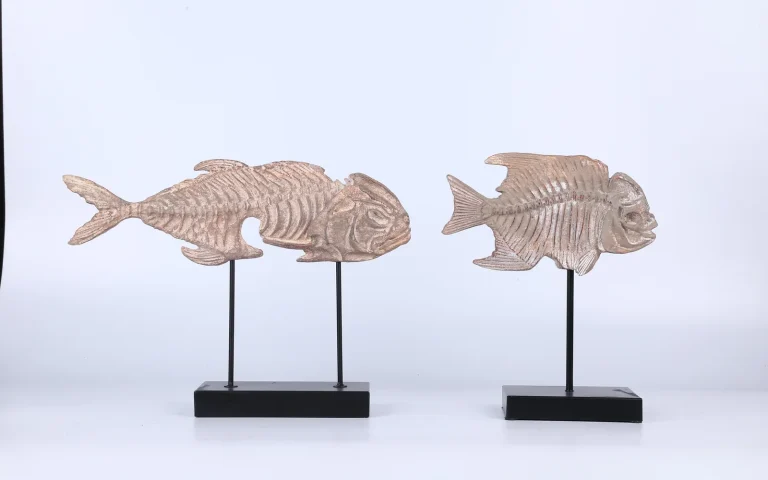
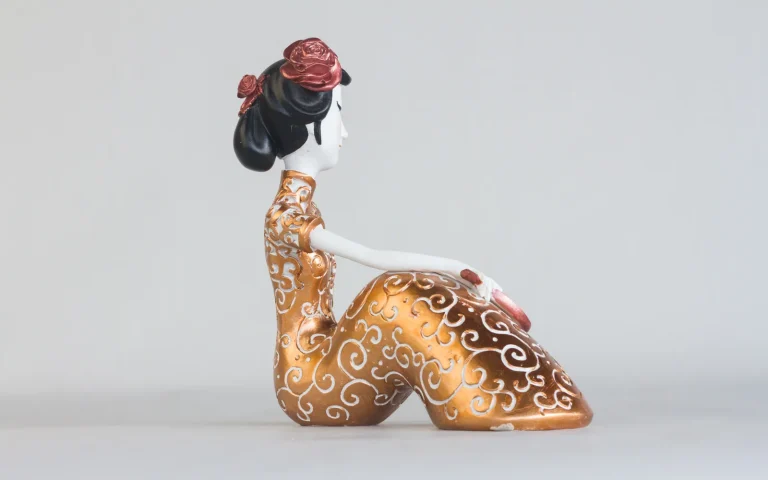
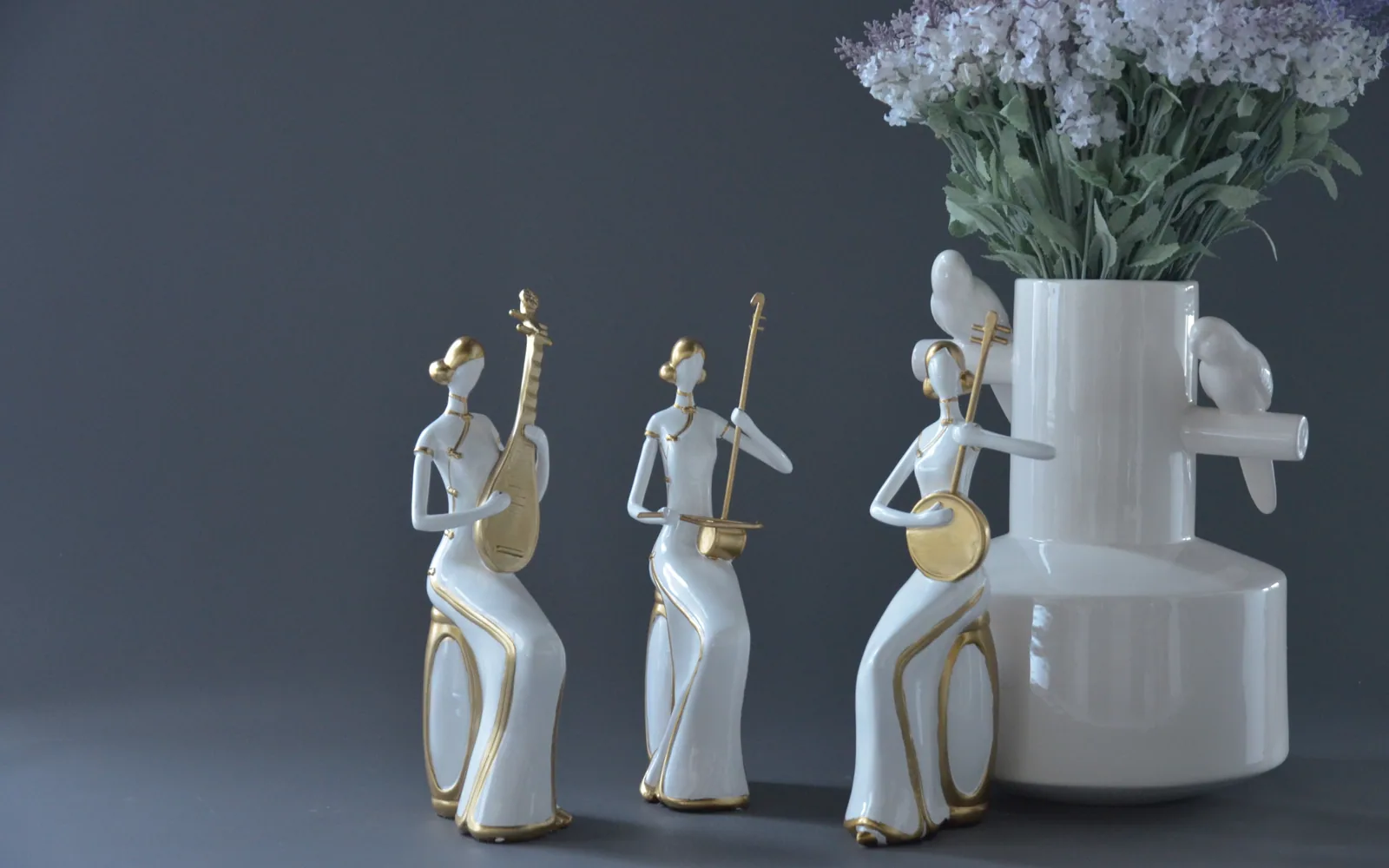
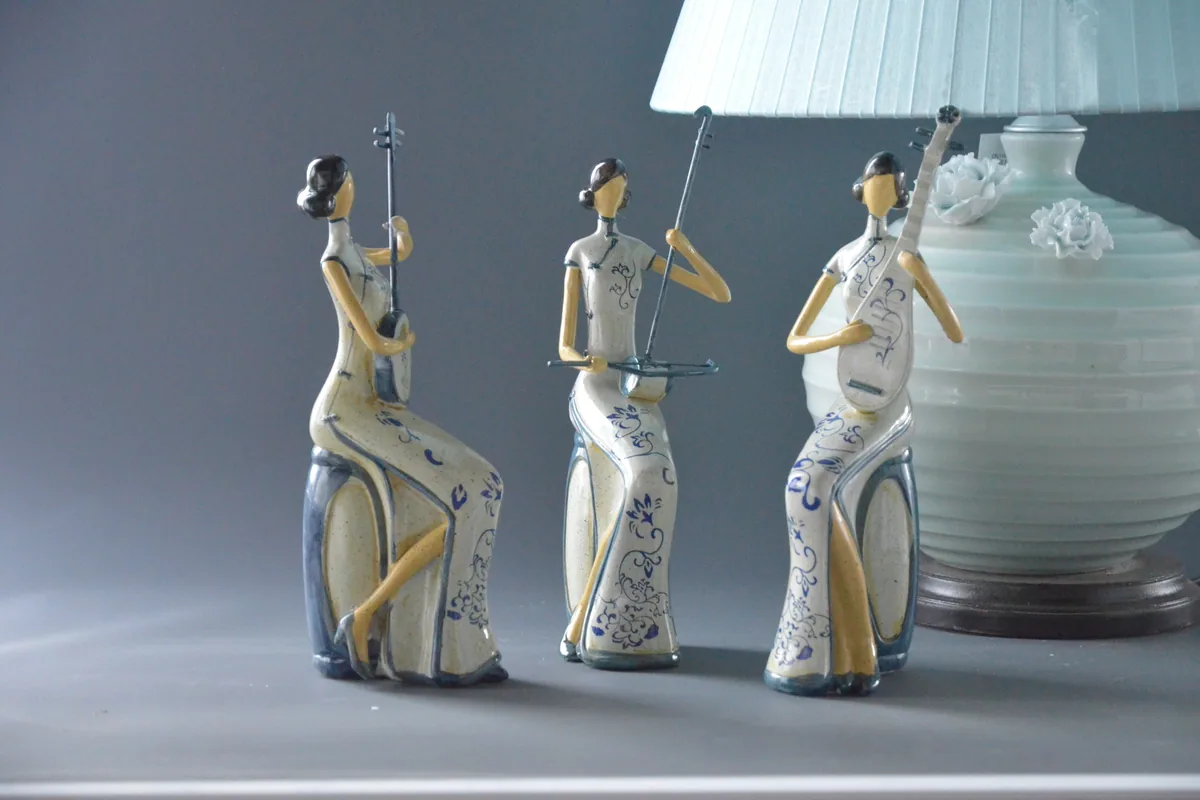
Finish controls how formal a figurine feels. A glossy, gilded finish reads decorative and traditional, while a matte, single-tone cast reads calmer and more contemporary. Colour works best when it repeats something already in the room: a blue-and-white piece ties into ceramics, a warm bronze picks up brass hardware, and a natural or faux-wood finish connects to timber furniture.
The amount of detail matters too. A highly ornamented piece is a focal point, so give it space and avoid placing it beside other busy objects. A simpler form can sit among books and smaller accessories without competing. If the room already has pattern, choose a figurine with a quieter surface; if the room is plain, a more detailed piece can supply the interest.

Grouping figurines without clutter
Groups work when one piece clearly leads. Start with a single anchor piece, then add one or two supporting objects of a different height and material, and leave at least a third of the surface empty. Three similar figurines in a row look like a shop display; a tall piece beside a low bowl and a short stack of books looks collected.
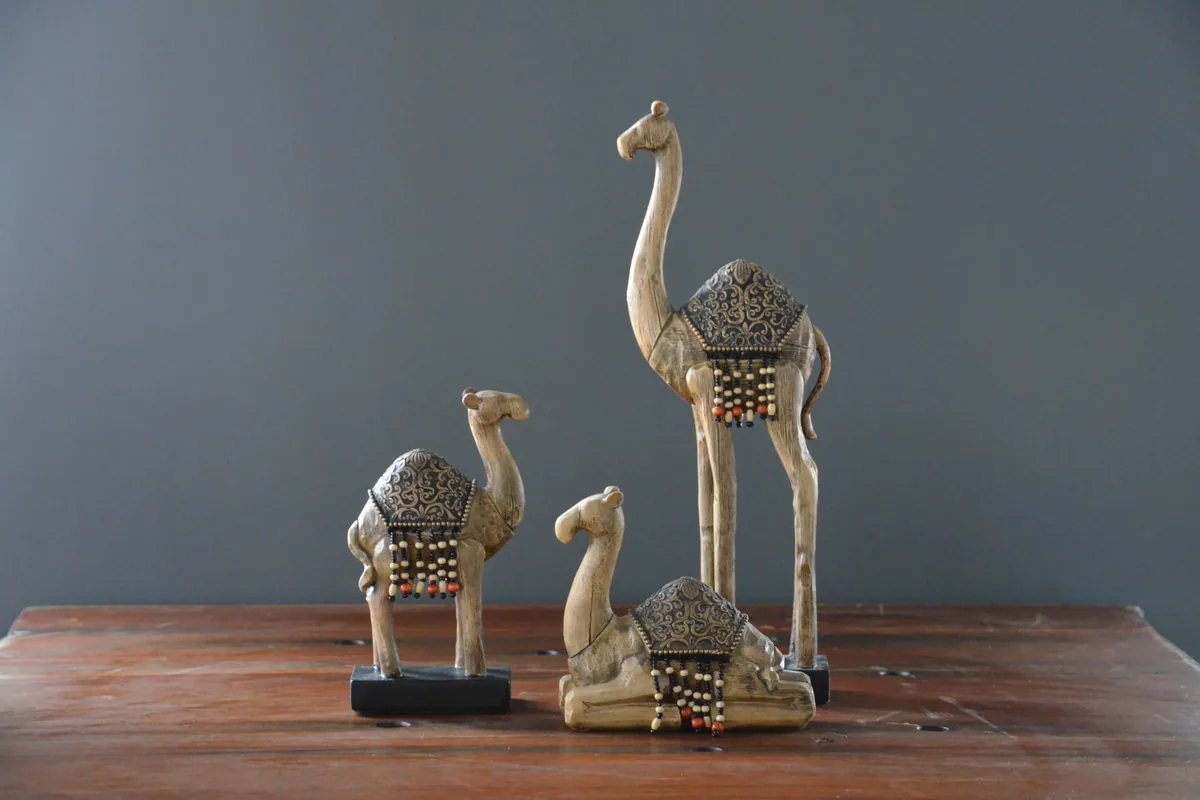
Vary the height and the material rather than the colour. For example, pair a tall qipao figurine with a low camel sculpture decor and one small bookend sculpture to create rhythm without repetition. Keep the tallest piece off-centre and let the others lean toward it so the eye has a clear path through the arrangement.
How to choose a figurine as a gift
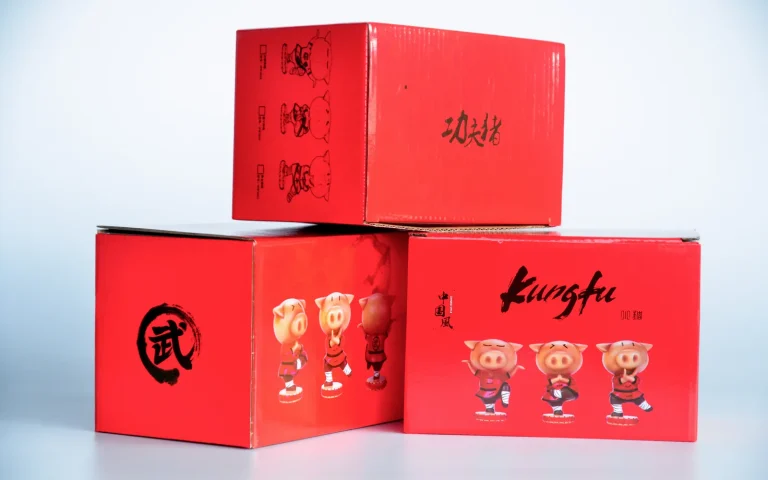
A good figurine gift matches the recipient’s existing taste rather than the giver’s. Consider the room the person already has: someone with a neutral, edited home will use a single sculptural piece, while a collector with full shelves may prefer a distinctive figure with a story. An artistic figurine gift works best when it is specific enough to feel chosen but not so literal that it dates quickly.
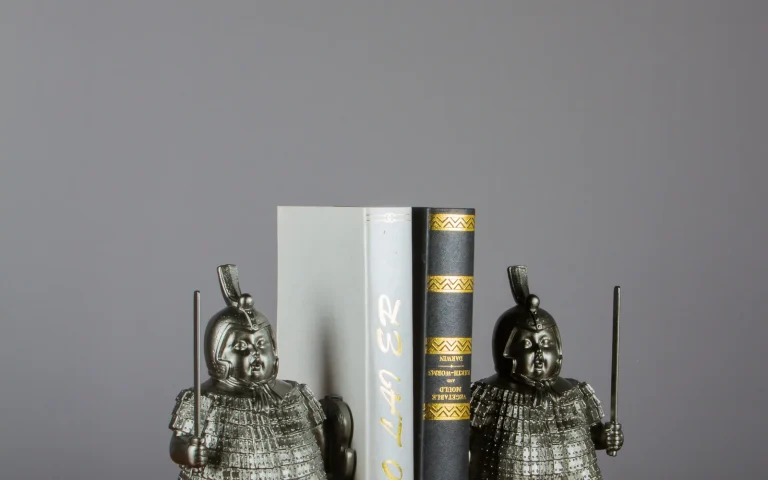
Bookend sculpture is a practical choice because it is useful as well as decorative, which makes it easier to justify on a desk or shelf. For a housewarming or a design-focused recipient, a single qipao figurine or a faux-wood camel introduces a sculptural accent without demanding a matching set. If the gift may travel, confirm the packaging and the weight before buying, and avoid pieces with thin, easily damaged details.
Placement, lighting and rotation
Placement decides how often the figurine is actually seen. Put a detailed piece at seated eye level on a console, a nightstand or a shelf beside a chair, where it can be examined up close, rather than high on a wall. A single warm light grazing the surface reveals texture and shadow; several bright lights flatten the form and wash out the finish.
Rotating pieces every season is an inexpensive way to keep a room feeling current. Store the out-of-season pieces wrapped in acid-free tissue in a dry, dust-free place, and keep the surfaces you display them on clean. A figurine that is moved between rooms or shelves will continue to earn its place, while one that never moves can disappear into the background.
Everyday care for painted and detailed pieces
Dust is the biggest enemy of detailed figurines. Use a soft, dry brush or a microfibre cloth, and avoid water on painted or gilded surfaces, which can lift or dull the finish. A can of compressed air is useful for recessed areas, while a damp cloth is best reserved for unglazed ceramic or stone surfaces only.
Handle a figurine by its base or its most solid point rather than a raised hand, wing or rim, and store it away from direct sunlight, which can fade paint and yellow resin over time. Most small decorative figurines do not need washing; if one does get soiled, test any cleaning product on the underside first and let the piece dry fully before returning it to the shelf.
For a range built around these ideas, the qipao lady figurine and the caravan camel figure both work as shelf anchors at different scales, while the neoclassical golf bookend doubles as a functional desk piece. The studio profile explains the finishes available across the collection, and the custom and trade page is the place to request a specific material or a private-label version for a retail or hospitality project. Browse the current collection to compare the selection.
Further reading: The Metropolitan Museum of Art European sculpture collection, Victoria and Albert Museum decorative arts collection.
Frequently asked questions
How do you style decorative figurines without clutter?
Start with one anchor piece and let a single taller figurine lead, then add one or two supporting objects of different height and material. Leave at least a third of the surface empty so the arrangement reads as collected rather than crowded.
What makes a good figurine gift?
A good figurine gift matches the recipient’s existing room rather than the giver’s taste, and a useful form such as a bookend is easier to place. Choose a specific sculptural piece with a clean silhouette and check the weight and packaging before buying.
How do you care for painted figurines?
Dust painted figurines with a soft dry brush or microfibre cloth and avoid water on painted or gilded surfaces, which can lift or dull the finish. Handle them by the base, keep them out of direct sunlight, and test any cleaner on the underside first.
What size figurine works on a bookshelf?
A height of roughly fifteen to twenty-five centimetres usually suits standard bookcase spacing, and the piece should occupy no more than about one third of the shelf width. Choose a slightly smaller, heavier-looking piece when the gap between shelves is tight.
Which material is best for decorative figurines?
Polyresin is the most common choice because it holds fine detail, takes paint and patina well, and stays light for its size. Ceramic reads cooler and more traditional, while cold-cast metal and bronze finishes feel heavier and more formal.
{“@context”:”https://schema.org”,”@type”:”FAQPage”,”mainEntity”:[{“@type”:”Question”,”name”:”How do you style decorative figurines without clutter?”,”acceptedAnswer”:{“@type”:”Answer”,”text”:”Start with one anchor piece and let a single taller figurine lead, then add one or two supporting objects of different height and material. Leave at least a third of the surface empty so the arrangement reads as collected rather than crowded.”}},{“@type”:”Question”,”name”:”What makes a good figurine gift?”,”acceptedAnswer”:{“@type”:”Answer”,”text”:”A good figurine gift matches the recipient’s existing room rather than the giver’s taste, and a useful form such as a bookend is easier to place. Choose a specific sculptural piece with a clean silhouette and check the weight and packaging before buying.”}},{“@type”:”Question”,”name”:”How do you care for painted figurines?”,”acceptedAnswer”:{“@type”:”Answer”,”text”:”Dust painted figurines with a soft dry brush or microfibre cloth and avoid water on painted or gilded surfaces, which can lift or dull the finish. Handle them by the base, keep them out of direct sunlight, and test any cleaner on the underside first.”}},{“@type”:”Question”,”name”:”What size figurine works on a bookshelf?”,”acceptedAnswer”:{“@type”:”Answer”,”text”:”A height of roughly fifteen to twenty-five centimetres usually suits standard bookcase spacing, and the piece should occupy no more than about one third of the shelf width. Choose a slightly smaller, heavier-looking piece when the gap between shelves is tight.”}},{“@type”:”Question”,”name”:”Which material is best for decorative figurines?”,”acceptedAnswer”:{“@type”:”Answer”,”text”:”Polyresin is the most common choice because it holds fine detail, takes paint and patina well, and stays light for its size. Ceramic reads cooler and more traditional, while cold-cast metal and bronze finishes feel heavier and more formal.”}}]}