How to Brief an OEM Home Decor Manufacturer Before Sampling
Choosing an OEM home decor manufacturer is only the first step. The quality of the sample depends heavily on the quality of the brief. A short message asking for a price on a decorative sculpture gives the factory room to guess, and every guess can become a revision later. A structured brief turns the conversation into a specification that both sides can check.
Start with the product’s job
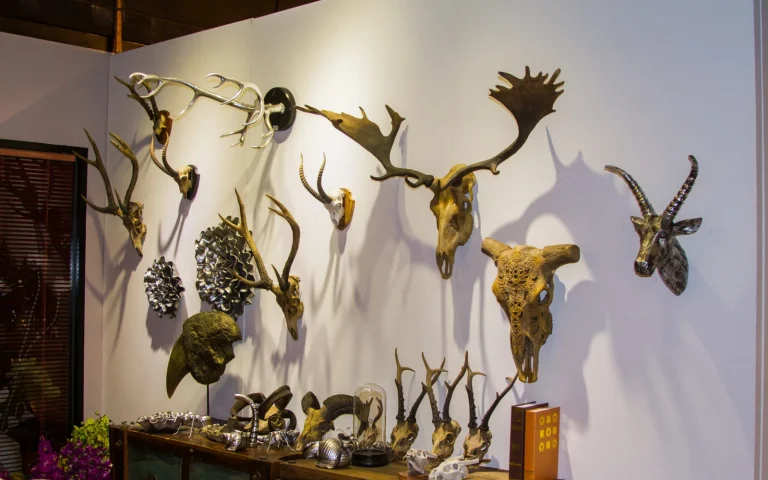
Describe where the piece will live and what it needs to do. Is it a tabletop figurine for a retail shelf, a wall relief for a hotel corridor or a large sculpture for a lobby? The intended setting affects scale, weight, mounting, finish and packing. A piece designed for a shelf may fail in a public space even if the artwork is identical.
Home decor sourcing becomes easier when the commercial context is explicit. Include the target retail price band, estimated first quantity and expected annual volume if known. If those numbers are not settled, say so and give the manufacturer a range rather than inventing precision.
Supply useful design references
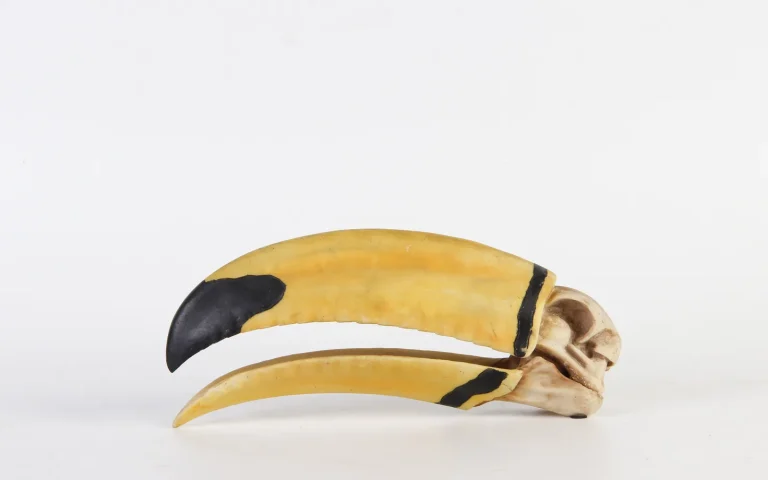
Provide a sketch, a 3D file or reference photographs from more than one angle. Mark which parts are fixed and which are open to interpretation. If the design is protected, explain the ownership and confidentiality expectations before sharing the files.
A custom home decor manufacturer also needs a sense of proportion. Add a person, hand or familiar object to the reference image so the factory can understand the intended size. State the finished dimensions and the tolerance that is acceptable; a few millimetres can matter on a fitted wall panel or a bookend.
Specify material and finish
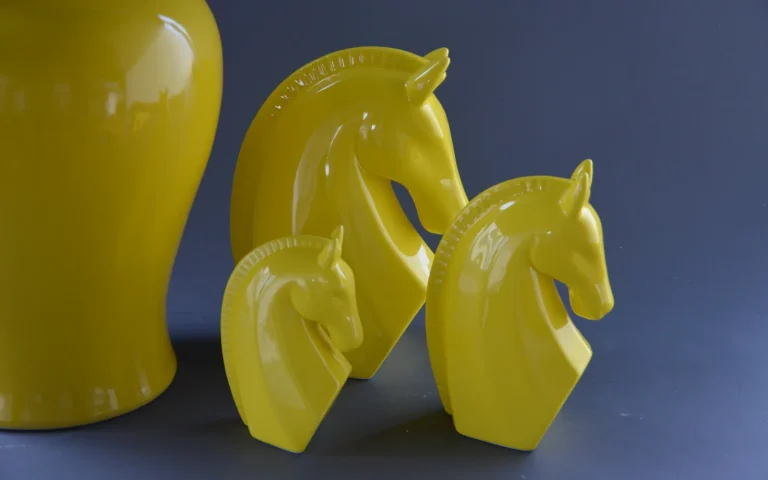
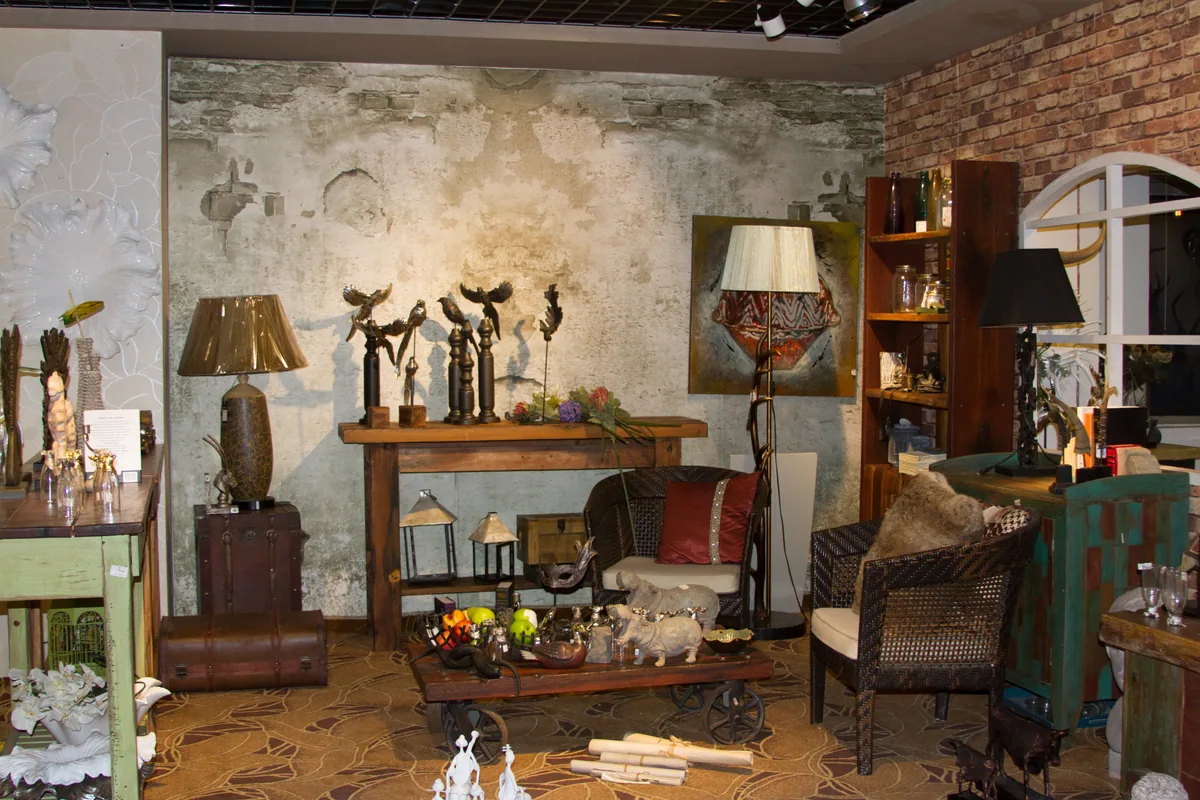
Name the intended material, such as resin, ceramic, metal, glass or a mixed construction. Explain the finish in visual terms: matte, satin, gloss, aged bronze, chalk white, hand-painted or antique wash. Reference images help, but they should be paired with a written description because screens and lighting change colour.
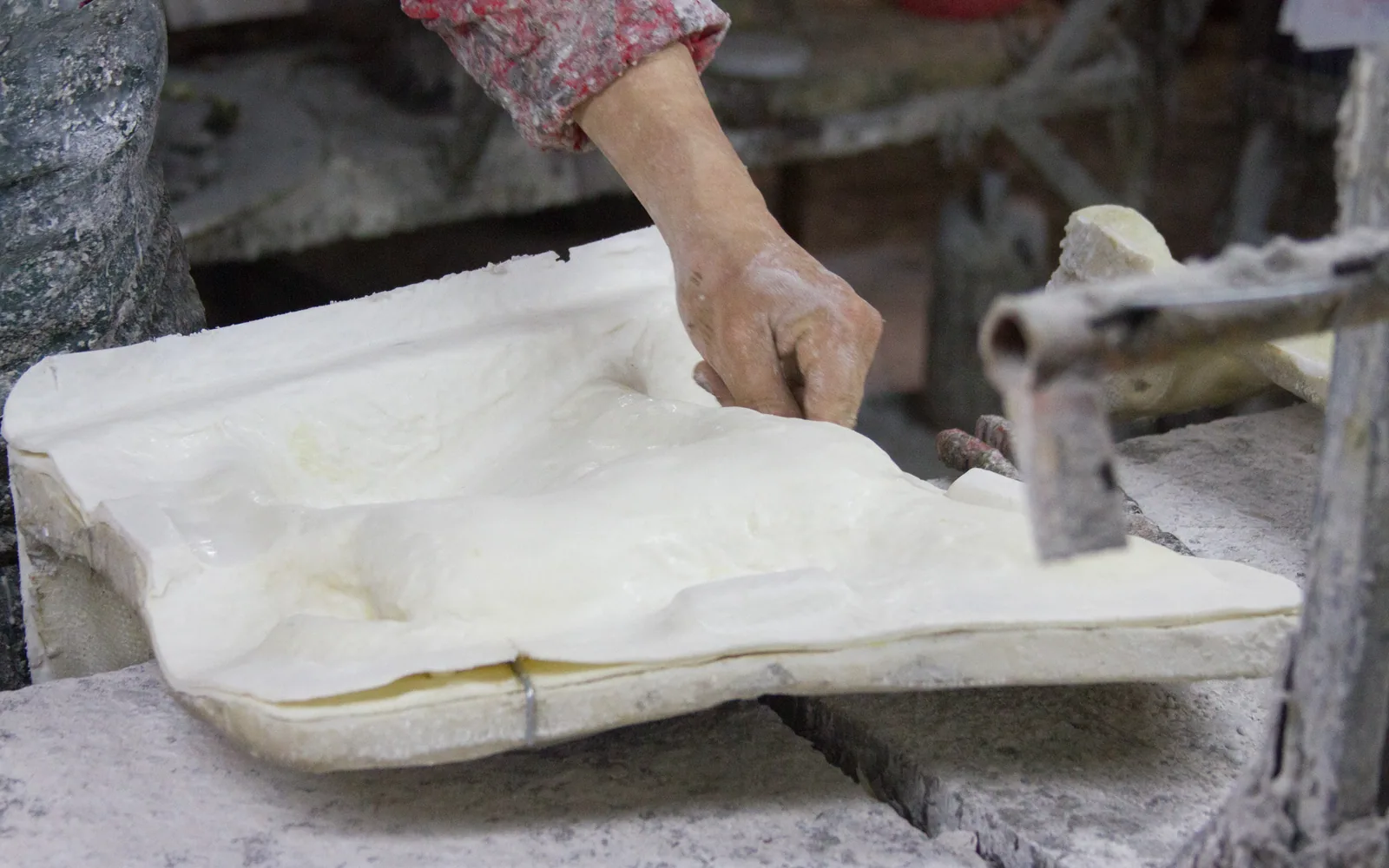
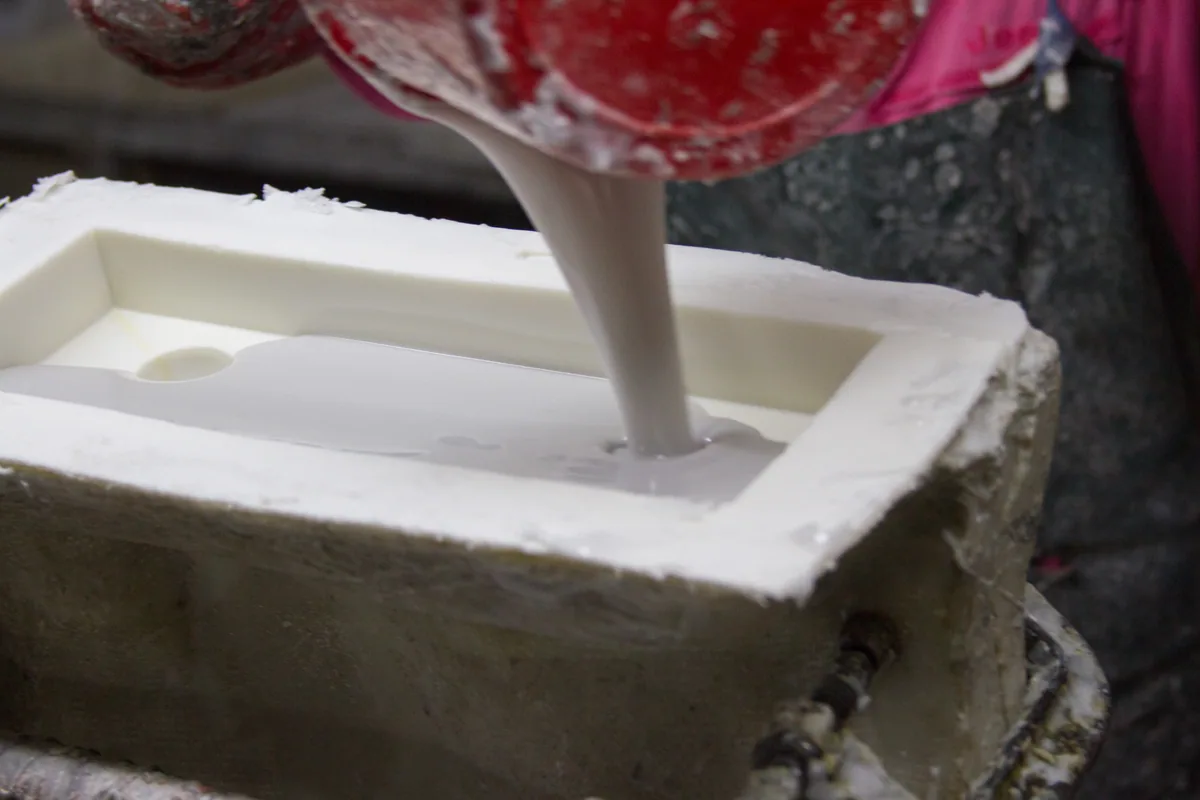
Ask the manufacturer to identify the likely production method and any constraint that could affect the design. Fine undercuts, very thin sections or a high-gloss finish may need a different mould, material or process. It is cheaper to discuss those constraints before tooling than after the first sample.
Define the sampling process
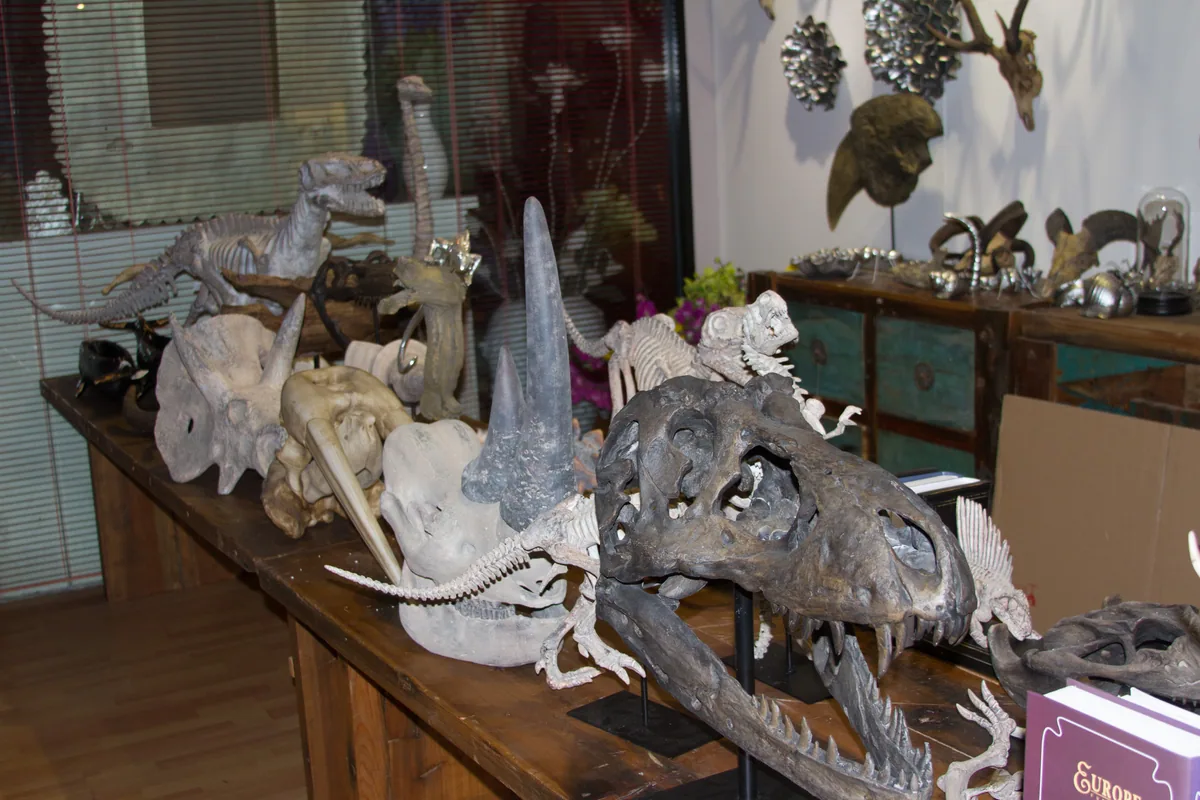
Agree what the first sample must prove: shape, scale, colour, surface, weight distribution and packing. Ask for photographs from fixed angles and a short video of the piece rotating under neutral light. If the product will be handled in a showroom, request a sample with the same finish as production rather than a quick workshop prototype.
Record who approves the sample and what counts as a revision. A written sample approval should include the finish reference, dimensions and any accepted deviations. This becomes the production standard and helps avoid a later dispute about what was agreed.
Think about packaging from the start
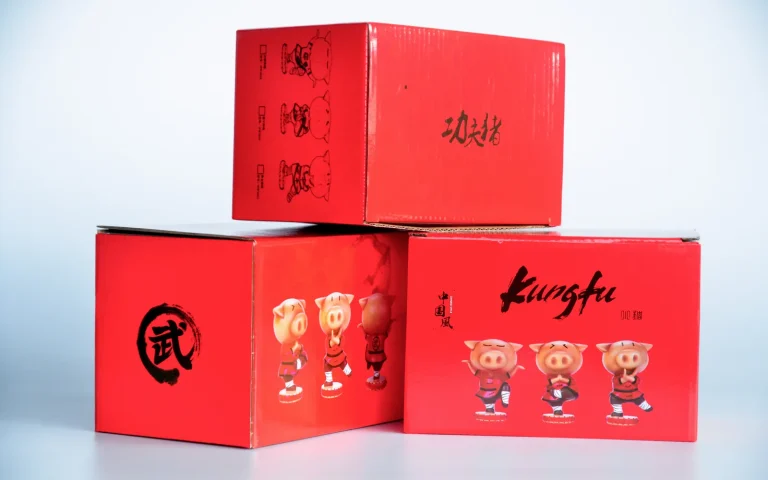
Packaging is part of product development, not an afterthought. Tell the manufacturer whether the piece needs a plain export carton, a printed retail box or a protected display pack. Confirm the destination market, label requirements and whether the carton will ship by courier, sea freight or a mixed pallet.
Ask for the packed dimensions and gross weight with the sample. Those figures let you compare freight and storage costs before committing to a larger order. For fragile pieces, review the internal partition and drop-test plan with the same care as the sculpture itself.
Explain the destination market
Market requirements can change the brief. A retail product may need barcode placement and consumer-facing care information, while a hospitality project may need commercial cleaning guidance and replacement parts. Ask the manufacturer which documents and tests it can support and which ones need a specialist.
A private label decor programme may also need logo placement, packaging approval and colour matching to an existing collection. Put those requirements in the first brief so the sample is not approved against the wrong standard.
A brief that gets a useful quote
- Reference images or files from several angles
- Finished dimensions and acceptable tolerance
- Material and finish described in words and pictures
- First-order quantity and expected annual volume
- Target price band and destination market
- Retail, hospitality or trade use
- Packaging, labelling and freight expectations
- Sample approval and revision process
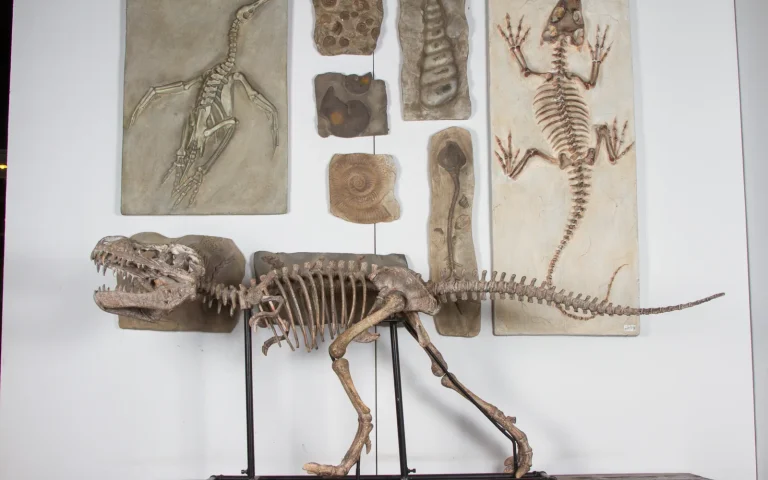
Our custom and trade page is the starting point for an OEM enquiry, and the custom dinosaur skeleton shows how scale and mounting can be specified in a project. Read the studio profile for the materials and processes behind the collection, or review the case studies for project context.
Further reading: International Trade Administration export guidance, ISO standards catalogue.
Frequently asked questions
What should an OEM home decor brief include?
Include reference images from several angles, finished dimensions, material, finish, intended use, target quantity, destination market and packaging requirements. A clear brief lets the manufacturer quote and sample against the same specification.
How long does the sampling process take?
Timing depends on whether the design needs sculpting, a new mould, colour matching and a custom package. A clear brief and a single approval owner reduce revisions, but the actual schedule should be confirmed by the manufacturer for the specific piece.
Should packaging be discussed before the sample is approved?
Yes. Packaging affects the product’s proportions, protection and freight cost. Ask for a packed sample and dimensions before the design is frozen, especially for fragile sculpture or a retail programme with printed packaging.
What is the difference between OEM and private label decor?
OEM usually means the manufacturer produces a design you own or specify. Private label decor may start from an existing factory design with your brand and packaging, so the ownership and exclusivity terms should be agreed in writing.
{“@context”:”https://schema.org”,”@type”:”FAQPage”,”mainEntity”:[{“@type”:”Question”,”name”:”What should an OEM home decor brief include?”,”acceptedAnswer”:{“@type”:”Answer”,”text”:”Include reference images from several angles, finished dimensions, material, finish, intended use, target quantity, destination market and packaging requirements. A clear brief lets the manufacturer quote and sample against the same specification.”}},{“@type”:”Question”,”name”:”How long does the sampling process take?”,”acceptedAnswer”:{“@type”:”Answer”,”text”:”Timing depends on whether the design needs sculpting, a new mould, colour matching and a custom package. A clear brief and a single approval owner reduce revisions, but the actual schedule should be confirmed by the manufacturer for the specific piece.”}},{“@type”:”Question”,”name”:”Should packaging be discussed before the sample is approved?”,”acceptedAnswer”:{“@type”:”Answer”,”text”:”Yes. Packaging affects the product’s proportions, protection and freight cost. Ask for a packed sample and dimensions before the design is frozen, especially for fragile sculpture or a retail programme with printed packaging.”}},{“@type”:”Question”,”name”:”What is the difference between OEM and private label decor?”,”acceptedAnswer”:{“@type”:”Answer”,”text”:”OEM usually means the manufacturer produces a design you own or specify. Private label decor may start from an existing factory design with your brand and packaging, so the ownership and exclusivity terms should be agreed in writing.”}}]}