Resin vs Ceramic Home Decor: Which Material Suits Your Range?
Choosing between resin and ceramic is one of the first material decisions in any decor range, and it is usually made on price alone. That is a mistake. The two materials sit differently in the hand, pack differently, photograph differently and fail differently in transit. This comparison of resin vs ceramic home decor covers what actually changes when you switch from one to the other.
Polyresin decor durability and ceramic decor manufacturing should be compared on the same specification, not on appearance alone. This decor material comparison covers weight, detail, surface repair and freight, because those are the points that matter most in home decor sourcing.
How the two materials are made
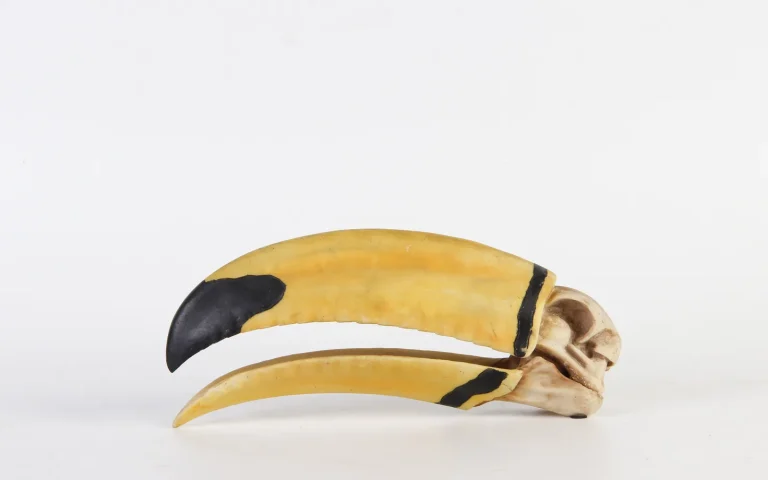
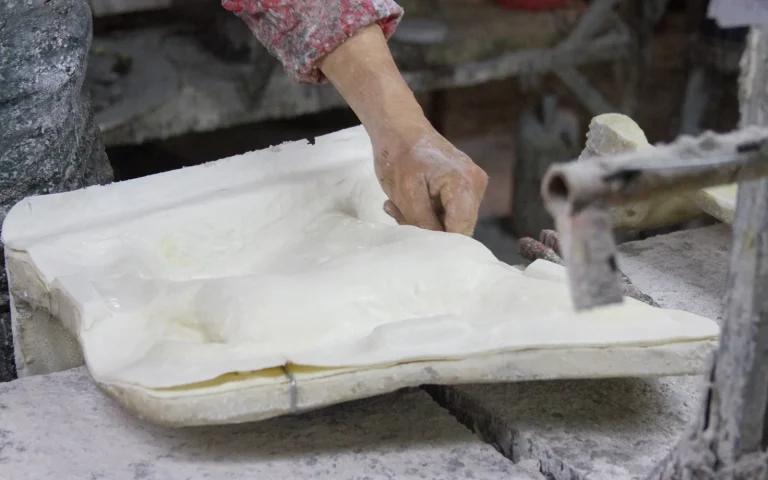
Resin decor is cast in a mould from a polyresin compound. The mould can be reused many times, so the same sculpt can be produced in quantity with very little variation between units. Complex undercuts, fine texture and thin sections are all achievable.
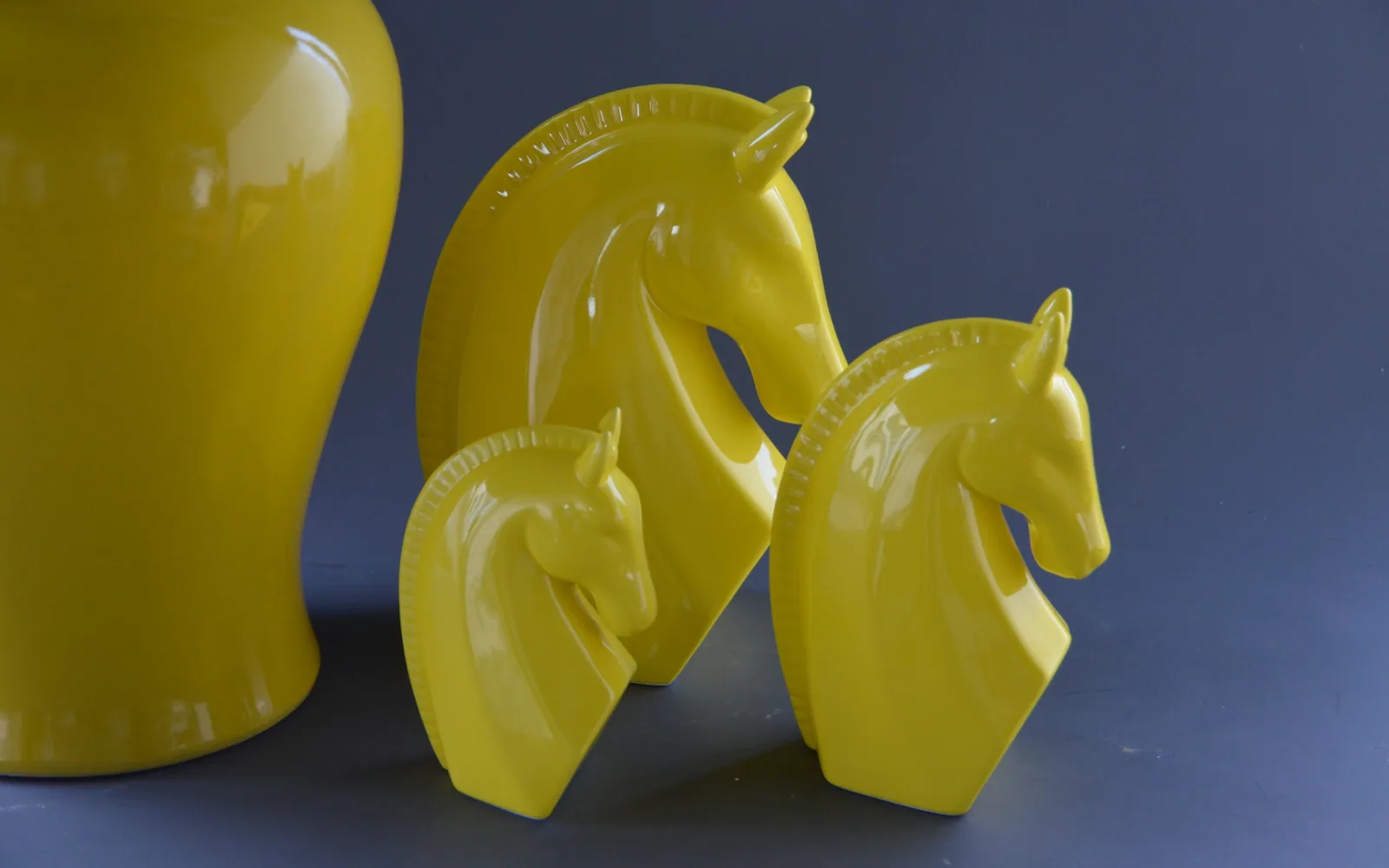
Ceramic decor is formed from clay, then fired. Glazes are applied and fired again, which is where the depth of colour and the glassy surface come from. The process has more variables, and yield losses from firing are a normal part of production rather than a fault.

Weight, feel and perceived value
Weight is the most immediate difference and the one customers notice in a showroom. A ceramic piece of comparable size is usually heavier and cooler to the touch, which many buyers read as more valuable. Resin is lighter, and a buyer who expected stone will sometimes comment on it.
If the piece is meant to be lifted, repositioned or posted individually, lighter is an advantage. If it needs to sit still and feel substantial, ceramic usually wins.
Detail and finish
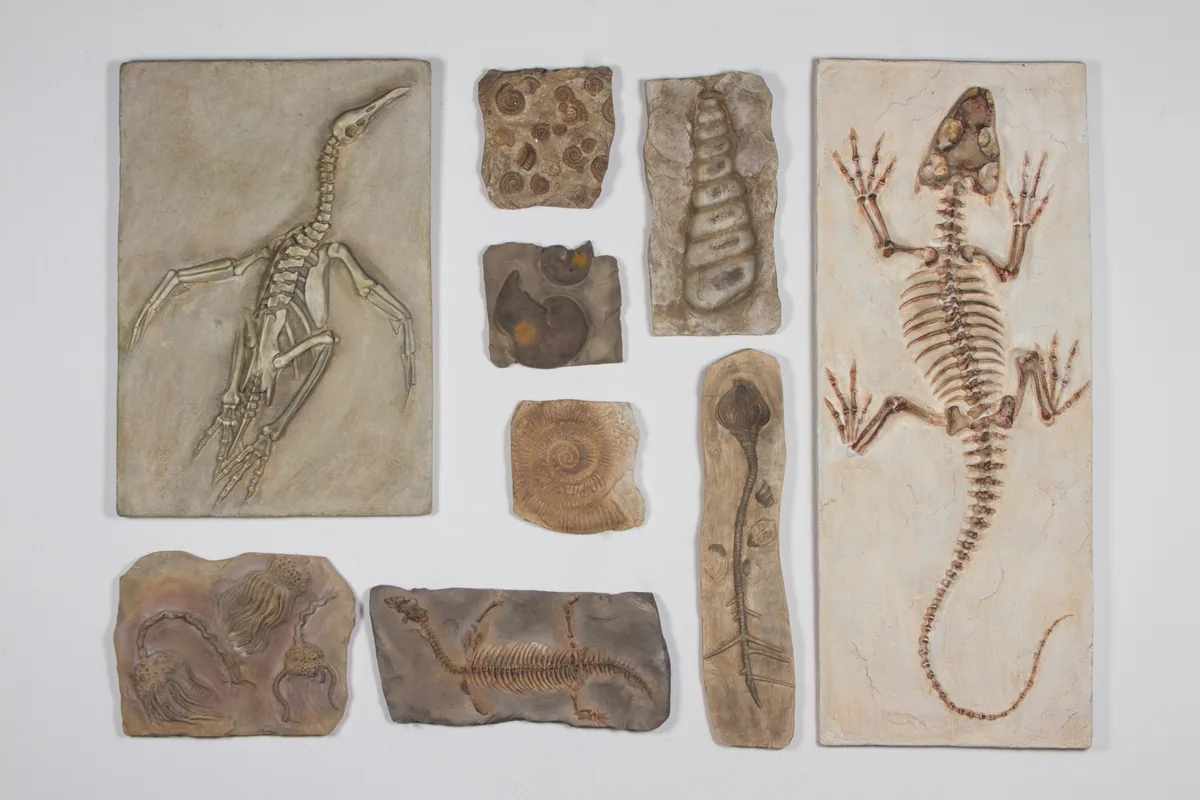
Resin captures fine detail more easily, especially sharp edges, tool marks and the porous texture of bone or fossil. It also accepts painted, aged and metallic finishes with more control, which is why natural-history replica work is so often cast in resin.
Ceramic gives you glaze chemistry instead: depth, translucency, reactive colour and the small irregularities that make hand-finished pieces individual. What ceramic gives up is razor-sharp detail, because glaze softens edges as it melts.

Durability and where each one belongs
A painted resin piece is more vulnerable to surface damage. Chips lift the finish and the repair is visible. Ceramic resists surface wear better but fails more dramatically: it cracks rather than dents.
- Shelves, consoles and desks: both work; choose on weight and finish.
- Wall decor: resin, because the reduced weight simplifies mounting and shipping.
- Garden and outdoor: neither untreated; specify a material system rated for UV and frost.
- High-touch hospitality interiors: ceramic or metal, where surface wear shows less.
Cost, tooling and order quantities
Resin usually has the lower tooling cost and a shorter path from sculpt to saleable sample, which makes it the practical choice for a new design you are still testing. Per-unit cost falls quickly as volume rises.
Ceramic carries more process risk and higher firing losses, so quoted prices move more when volumes change. For a stable, repeatable programme with fine detail, resin is usually the safer commercial bet. For a premium piece where the material is part of the story, ceramic justifies the extra cost.
Packing and freight
Resin is lighter but not unbreakable, and it still needs individual wrapping and a fitted inner partition. Ceramic needs the same and then some, because a crack is not repairable in the way a chipped corner can be disguised.
Because sculpture is usually charged on volume rather than weight, the lighter material does not automatically reduce freight. What reduces freight is designing pieces that nest or stack efficiently in a carton. If you are comparing quotations, ask for the packed volume per unit rather than the unit weight.
Which should you choose
Choose resin for detailed replica work, wall pieces, large sculpts, painted or aged finishes, and any design where you want to test the market before committing to tooling. Choose ceramic for smaller pieces where glaze depth matters, for premium gifting, and for interiors where the weight and cool surface are part of the appeal.
Plenty of ranges use both. Our resin fossil fish study piece shows what the material does with fine natural texture, and the studio profile lists the other materials we work with, including metal, crystal glass, shell and bamboo. If you want one design produced in both materials so you can compare them properly, that is a normal request through our custom and trade service.
Further reading: Encyclopaedia Britannica: ceramic products.
Frequently asked questions
Is polyresin durable for home decor?
Yes, for indoor use. A properly cured polyresin cast resists knocks better than ceramic in the sense that it will not shatter, though its painted surface can chip. Keep it out of direct sunlight and away from heat.
How does resin compare with ceramic for sculpture?
Resin captures finer detail and costs less to tool, while ceramic is heavier, cooler to the touch and gives glaze depth that paint cannot fully reproduce. Resin suits replica work and wall pieces; ceramic suits premium glazed pieces.
Which material is cheaper to produce?
Resin usually has lower tooling cost and a shorter development cycle, so it is cheaper for a first order or an untested design. Ceramic carries higher firing losses, which makes quoted prices more sensitive to order volume.
Does a lighter material reduce freight cost?
Rarely, because decorative sculpture is normally charged on packed volume rather than weight. Designing pieces that nest efficiently inside a carton reduces freight far more than switching material does.
{“@context”:”https://schema.org”,”@type”:”FAQPage”,”mainEntity”:[{“@type”:”Question”,”name”:”Is polyresin durable for home decor?”,”acceptedAnswer”:{“@type”:”Answer”,”text”:”Yes, for indoor use. A properly cured polyresin cast resists knocks better than ceramic in the sense that it will not shatter, though its painted surface can chip. Keep it out of direct sunlight and away from heat.”}},{“@type”:”Question”,”name”:”How does resin compare with ceramic for sculpture?”,”acceptedAnswer”:{“@type”:”Answer”,”text”:”Resin captures finer detail and costs less to tool, while ceramic is heavier, cooler to the touch and gives glaze depth that paint cannot fully reproduce. Resin suits replica work and wall pieces; ceramic suits premium glazed pieces.”}},{“@type”:”Question”,”name”:”Which material is cheaper to produce?”,”acceptedAnswer”:{“@type”:”Answer”,”text”:”Resin usually has lower tooling cost and a shorter development cycle, so it is cheaper for a first order or an untested design. Ceramic carries higher firing losses, which makes quoted prices more sensitive to order volume.”}},{“@type”:”Question”,”name”:”Does a lighter material reduce freight cost?”,”acceptedAnswer”:{“@type”:”Answer”,”text”:”Rarely, because decorative sculpture is normally charged on packed volume rather than weight. Designing pieces that nest efficiently inside a carton reduces freight far more than switching material does.”}}]}