Resin vs Metal Sculpture: Which Material Fits the Project?
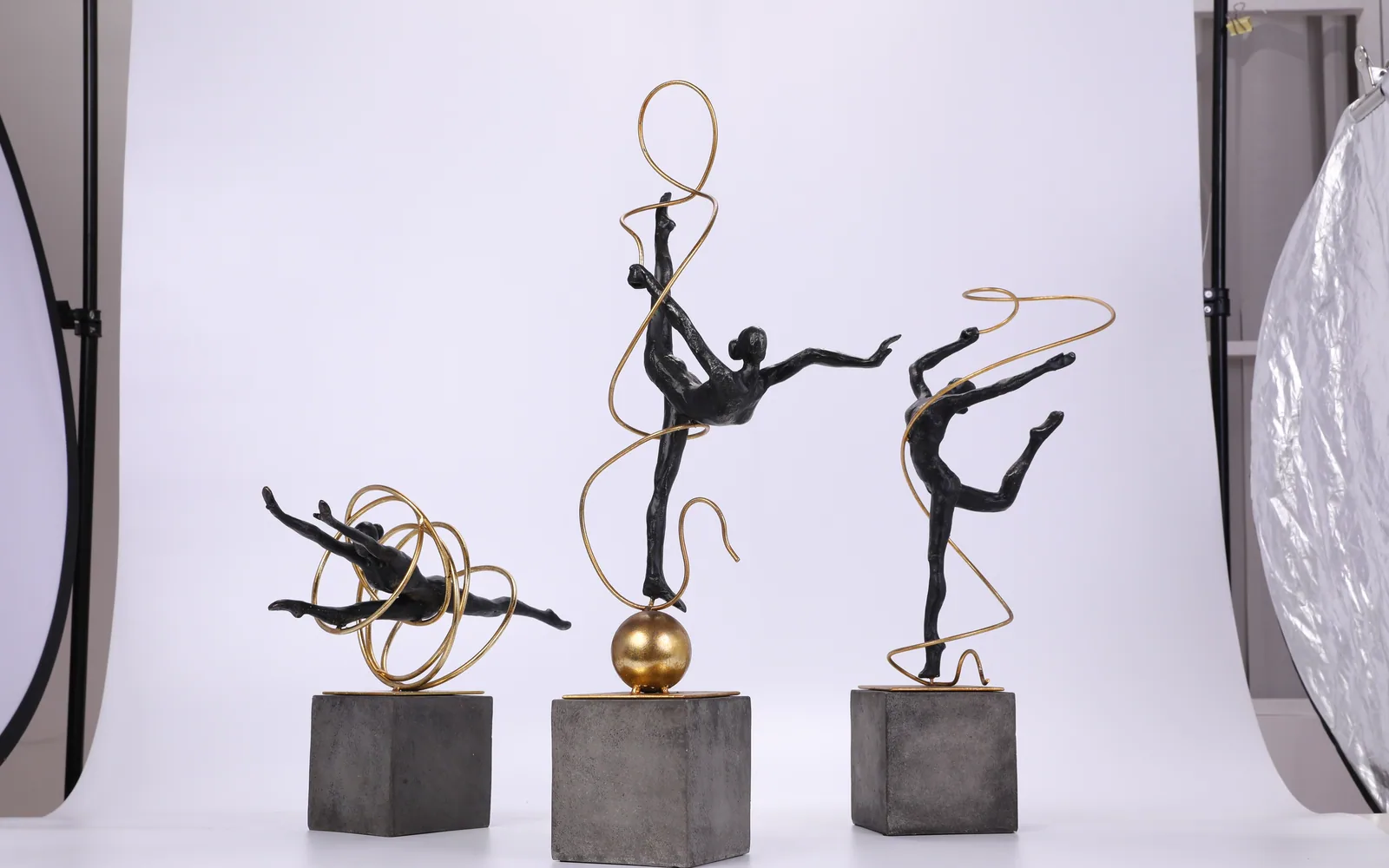
Resin vs metal sculpture is often framed as a choice between cheap and expensive, but that is too simple. Resin can carry extremely fine detail and a painted mineral finish; metal can provide weight, structural strength and a different relationship with light. The right material depends on the object’s function, the viewing distance, the installation and the budget for finishing.
How the two materials behave
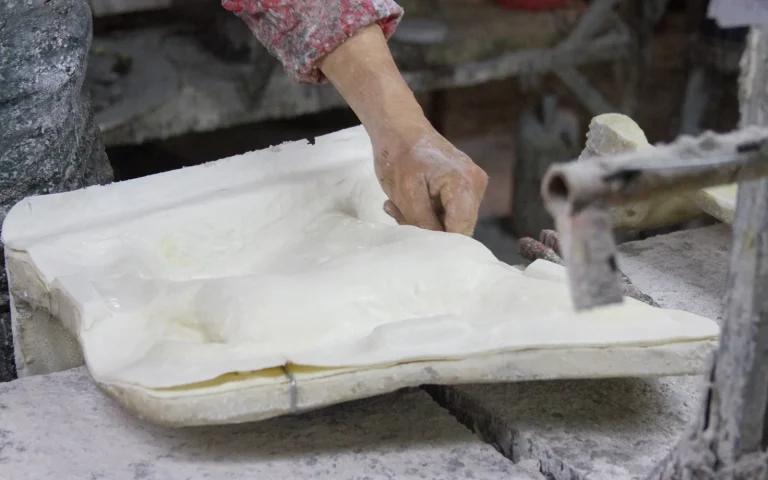
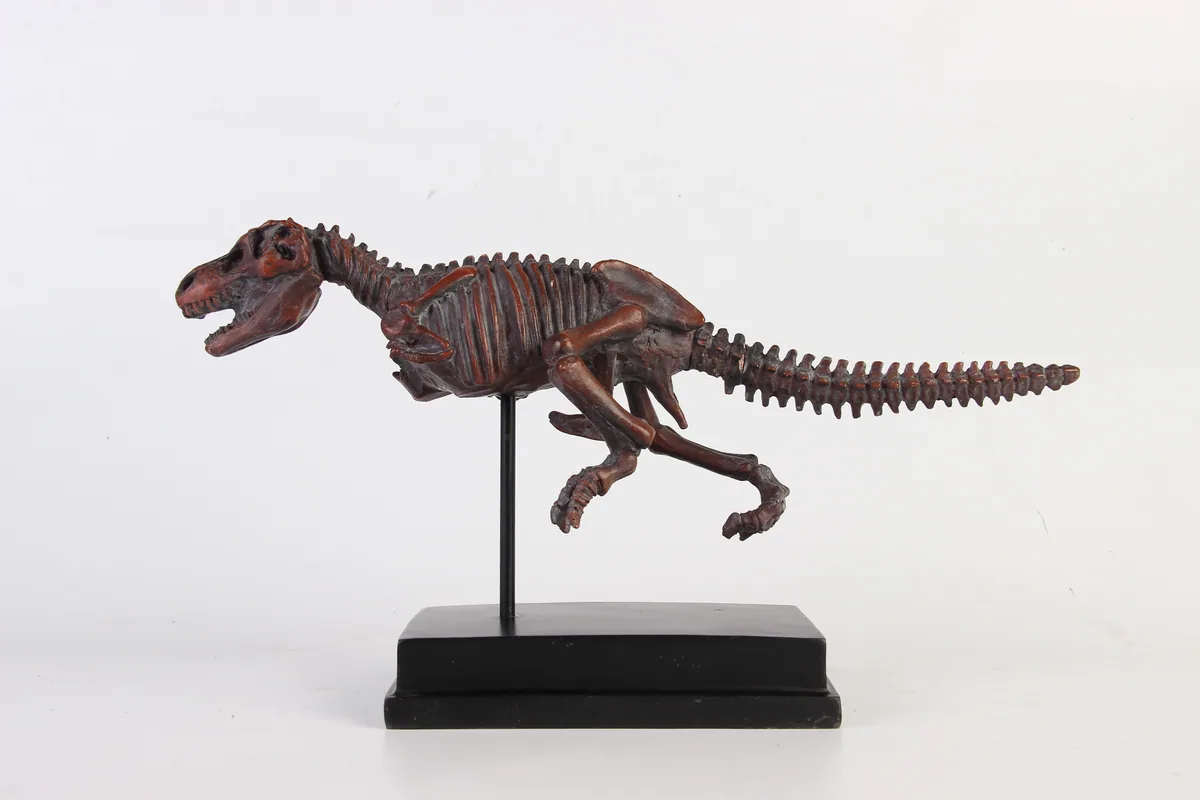
Resin sculpture is cast in a mould from a polyresin compound. It can reproduce undercuts, thin ribs, tool marks and porous bone texture with high fidelity. The surface is usually painted, stained or sealed, so the final appearance depends heavily on the finishing process.
Metal sculpture may be cast, fabricated or formed as a cold cast metal sculpture, where metal powder is combined with resin to create a metal-like surface. Solid cast metal is heavier and more expensive, but it can provide structural strength and a finish that changes naturally with handling and light.
Detail and silhouette
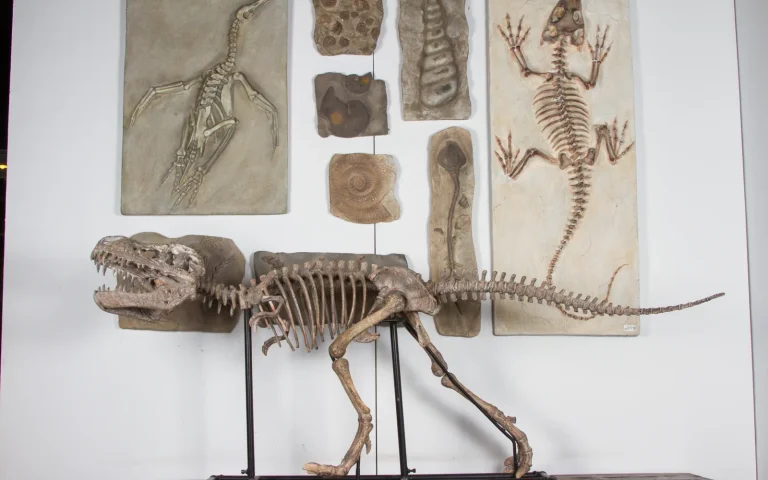
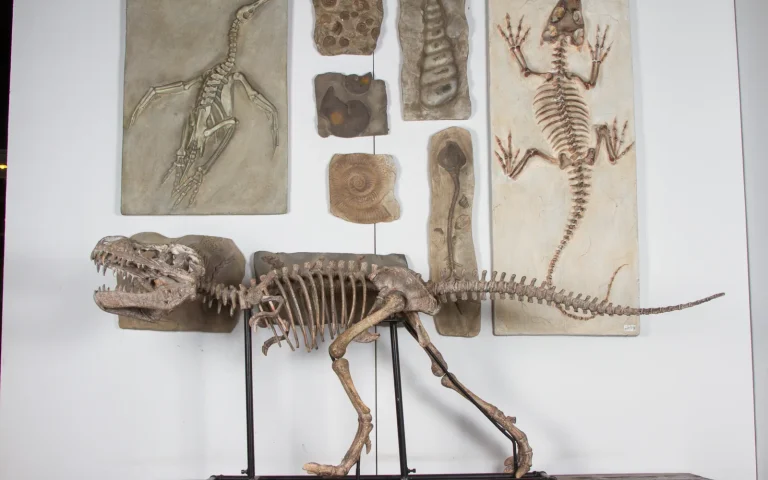
Resin has the advantage in complex natural-history forms. Thin bones, insect legs, shell texture and intricate drapery can be reproduced without adding much weight. A metal casting can capture detail too, but the mould, metal flow and finishing requirements may impose different limits.
For a simple silhouette, metal can be the stronger choice. A welded or formed metal form can be made with a clean edge and a structural rigidity that resin may need hidden reinforcement to match. The more complex the undercuts and fine surface detail, the more likely resin becomes the practical route.
Weight and handling
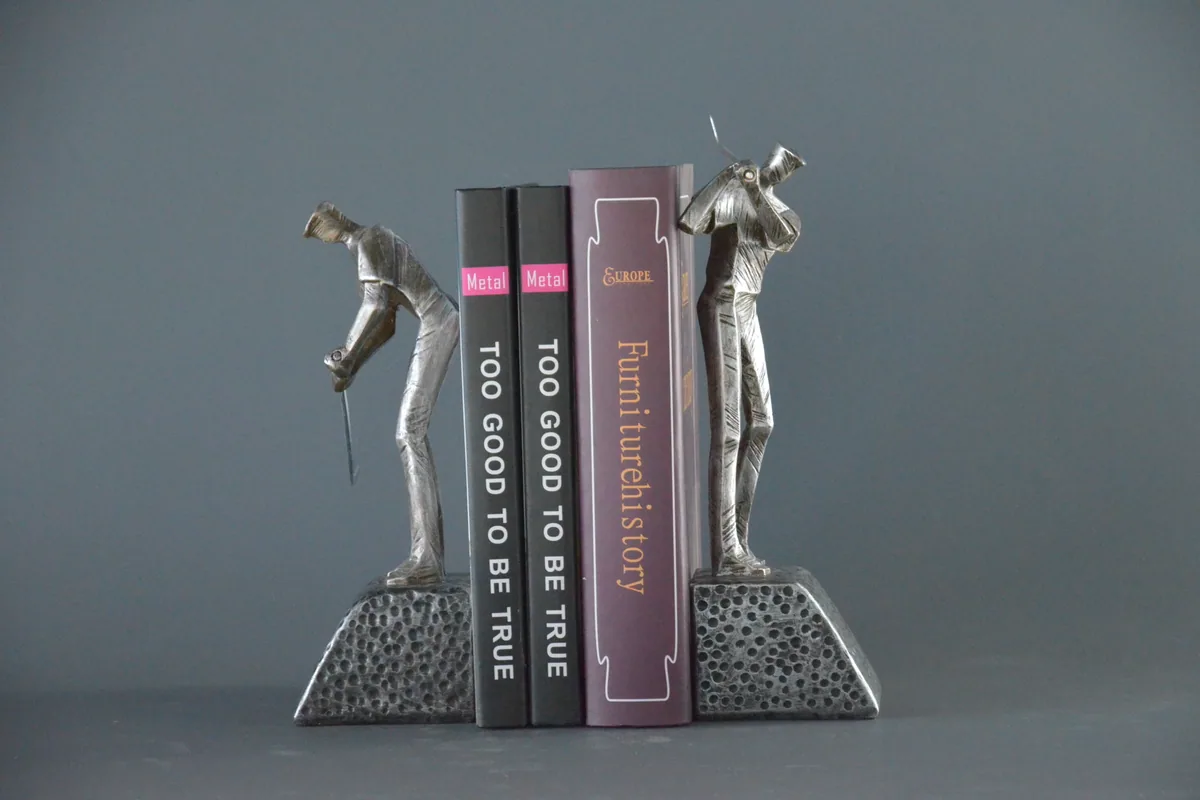
Sculpture weight affects shipping, installation and the way the object feels in the hand. Resin is lighter, which helps with wall-mounted pieces, large sculptures and products that will be moved frequently. Metal adds weight and can make a small object feel more substantial.
Weight is not automatically a quality signal. A hollow resin piece can be easier to install safely, while a heavy metal piece may require a stronger shelf, plinth or fixing. For hospitality interior decor, the handling regime matters as much as the material: a lobby sculpture may need to resist contact, while a display piece behind glass does not.
Finish and perceived value
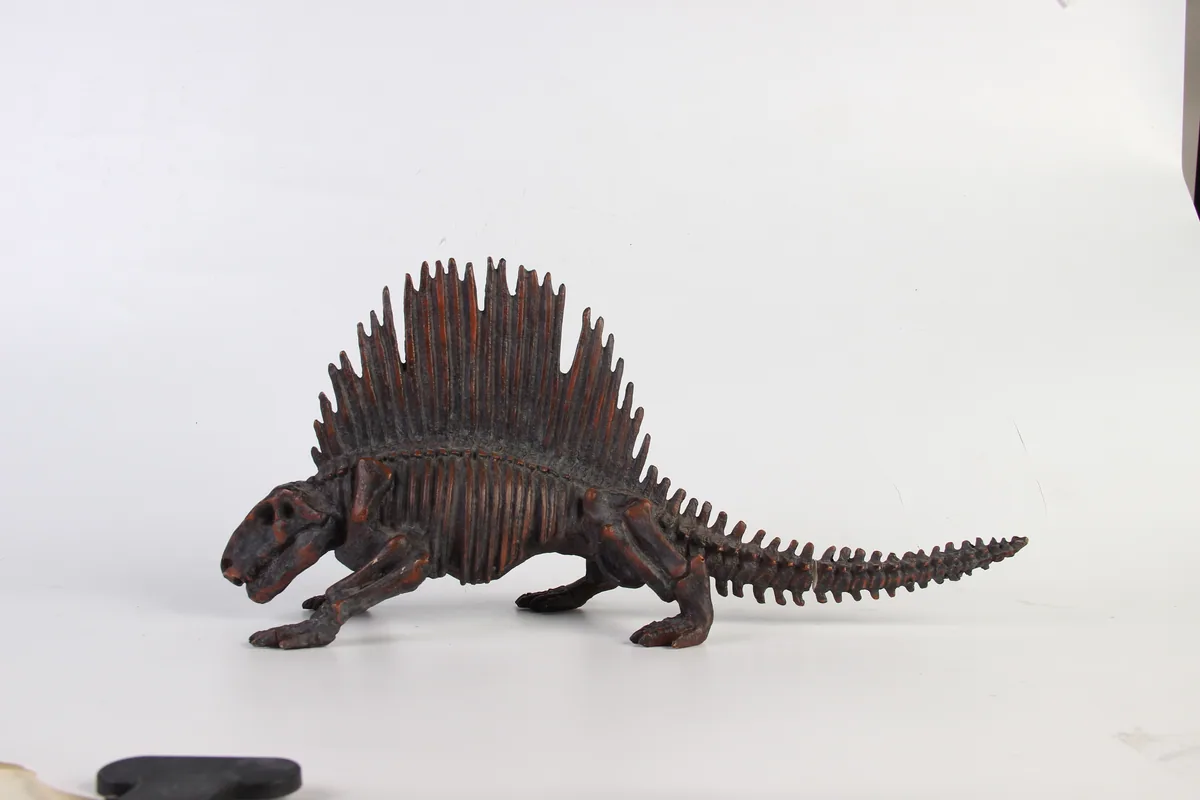
Polyresin decor durability depends on the coating as much as the core. A painted finish can chip, and a metallic paint can look convincing in a photograph but less convincing under close inspection. A cold-cast metal surface can offer a more tactile metal feel, but it still needs a protective finish and careful cleaning.
Solid metal develops patina and can be repaired or refinished by a specialist, although the process may be visible. Resin is easier to touch in with paint but harder to repair structurally at a thin joint. The finish decision should include the cleaner, the light level and the amount of touching the object will receive.
Cost and production route
Resin usually has lower tooling and unit costs for complex decorative forms, especially when the design needs fine detail or a painted finish. Metal can be more expensive to cast or fabricate, but it may reduce the need for internal reinforcement and can support a slimmer structural form.
This decor material comparison should be made on the complete delivered product, not the raw material price. Include tooling, finishing, packing, freight and expected damage rate. A resin piece with a fragile protruding detail may need expensive packing, while a metal piece may cost more to produce but survive handling with less protection.
Repair and long-term maintenance
A painted resin chip can sometimes be touched in, but a crack at a load-bearing point needs structural assessment. Metal can be welded, soldered or mechanically repaired depending on the alloy and finish, though the repair may affect the surface. Ask the maker for a care and repair route before specifying either material for a public project.
For both materials, direct sunlight, heat and harsh cleaners can shorten the finish life. Use a soft dry cloth or brush for dust, avoid abrasive pads and confirm the approved cleaner. A material that looks durable but cannot be maintained will not stay presentable in a busy interior.
Which material fits the project?
- Fine natural-history detail: resin is usually the more practical route.
- Heavy bookends or structural forms: metal may be the better choice.
- Large wall-mounted pieces: compare the fixing load and packed weight.
- High-touch hospitality interiors: specify the finish and repair plan, not just the material.
- Retail ranges with multiple finishes: resin can make colour variation easier to produce.
Our resin fossil fish study piece shows the detail possible in a cast decorative object, while the neoclassical golf bookend shows how weight can support a functional form. For a project-specific comparison, use the custom and trade page, and review the case studies for commercial context.
Further reading: ASM International materials society, Canadian Conservation Institute.
Frequently asked questions
Is resin or metal better for detailed sculpture?
Resin usually reproduces fine undercuts, thin sections and surface texture more easily than metal. Metal can still hold detail, but the casting or fabrication method and finishing requirements may limit very fine forms.
Does metal sculpture always weigh more than resin?
Solid metal is normally heavier than a comparable resin cast, but hollow fabrication and mixed constructions change the comparison. Always ask for the finished weight and the mounting load rather than assuming from the material name.
What is cold cast metal sculpture?
Cold cast metal sculpture combines metal powder with a resin binder to create a metal-like surface without casting a solid metal object. It can offer a metallic feel at a lower weight, but the finish and care requirements still need confirmation.
Which material is better for hospitality interiors?
It depends on the location and handling. Metal may suit structural or high-contact pieces, while resin can suit detailed wall art and large lightweight forms. Specify the finish, cleaning method and repair route for the actual environment.
{“@context”:”https://schema.org”,”@type”:”FAQPage”,”mainEntity”:[{“@type”:”Question”,”name”:”Is resin or metal better for detailed sculpture?”,”acceptedAnswer”:{“@type”:”Answer”,”text”:”Resin usually reproduces fine undercuts, thin sections and surface texture more easily than metal. Metal can still hold detail, but the casting or fabrication method and finishing requirements may limit very fine forms.”}},{“@type”:”Question”,”name”:”Does metal sculpture always weigh more than resin?”,”acceptedAnswer”:{“@type”:”Answer”,”text”:”Solid metal is normally heavier than a comparable resin cast, but hollow fabrication and mixed constructions change the comparison. Always ask for the finished weight and the mounting load rather than assuming from the material name.”}},{“@type”:”Question”,”name”:”What is cold cast metal sculpture?”,”acceptedAnswer”:{“@type”:”Answer”,”text”:”Cold cast metal sculpture combines metal powder with a resin binder to create a metal-like surface without casting a solid metal object. It can offer a metallic feel at a lower weight, but the finish and care requirements still need confirmation.”}},{“@type”:”Question”,”name”:”Which material is better for hospitality interiors?”,”acceptedAnswer”:{“@type”:”Answer”,”text”:”It depends on the location and handling. Metal may suit structural or high-contact pieces, while resin can suit detailed wall art and large lightweight forms. Specify the finish, cleaning method and repair route for the actual environment.”}}]}