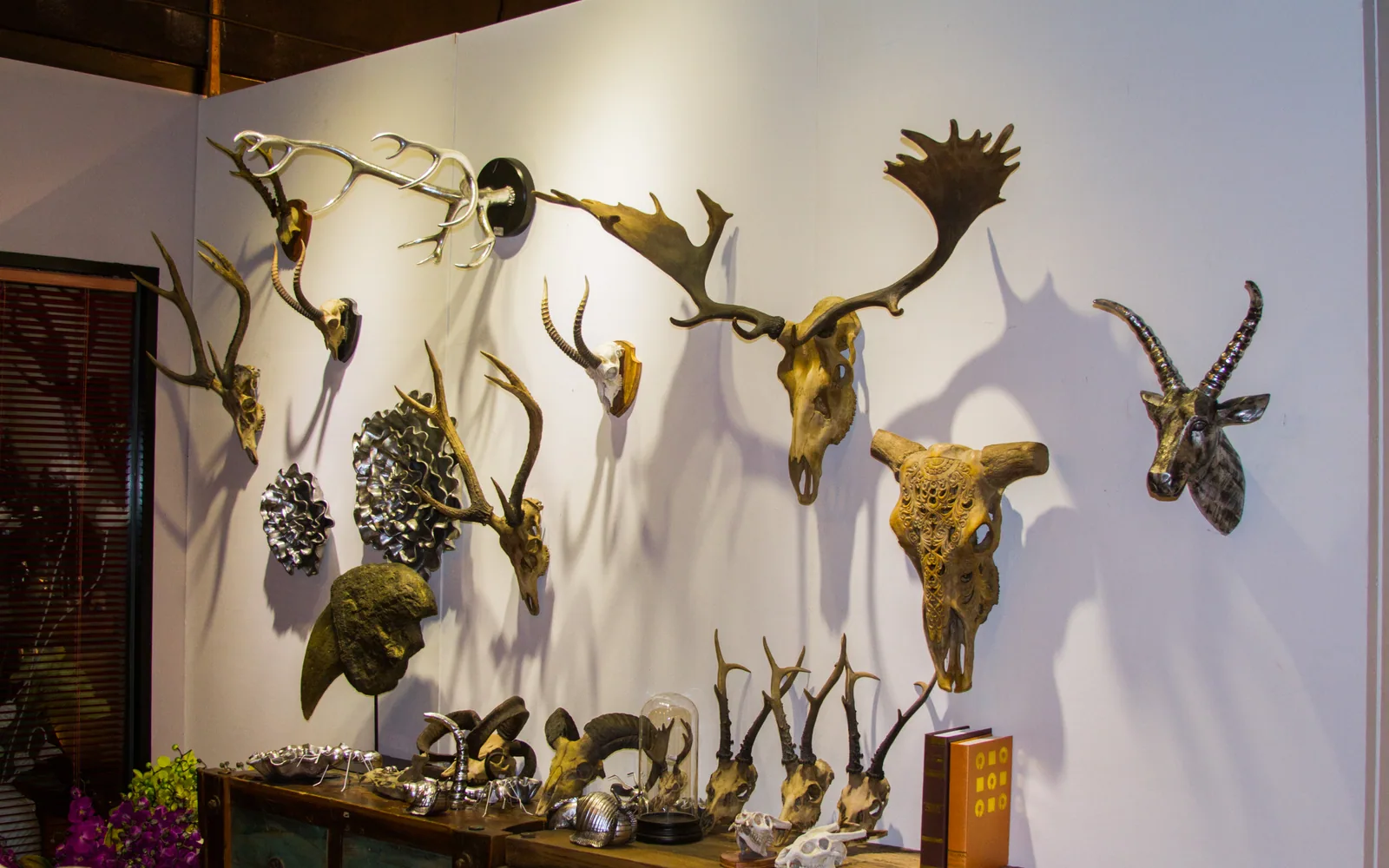
OEM vs ODM Home Decor: A Buyer’s Guide for Importers and Design Studios
OEM vs ODM home decor is one of the first decisions an importer makes, and it shapes almost everything that follows: how much you spend before a single unit is sold, how long development takes, and how much of the finished product is genuinely yours. This guide explains both models from the manufacturing side, using the same process Saint Art follows when a designer, retailer or hotel group approaches our studio in Dehua, Fujian.
What OEM means in home decor
OEM stands for original equipment manufacturing. The factory produces a design you already own. You arrive with a drawing, a 3D file, a sample from an earlier supplier or a concept you have developed in house, and the manufacturer engineers it for production, builds samples, and then repeats that approved sample at volume.
In home decor, OEM usually covers a defined technical package: the sculpt, the material, the surface colour and ageing, the base or mounting, and the packaging specification. The design ownership stays with you, which is why retailers building a recognisable brand tend to start here. The trade-off is that the development cost lands on your side of the table before any revenue arrives.
Expect a real but manageable barrier. A new sculpt needs modelling, a master pattern and a mould before the first saleable sample exists. Colour matching and ageing then take another round of approval, because a finish that reads correctly in a factory photograph can look entirely different under a retail spotlight or in a north-facing living room.
What ODM means in home decor
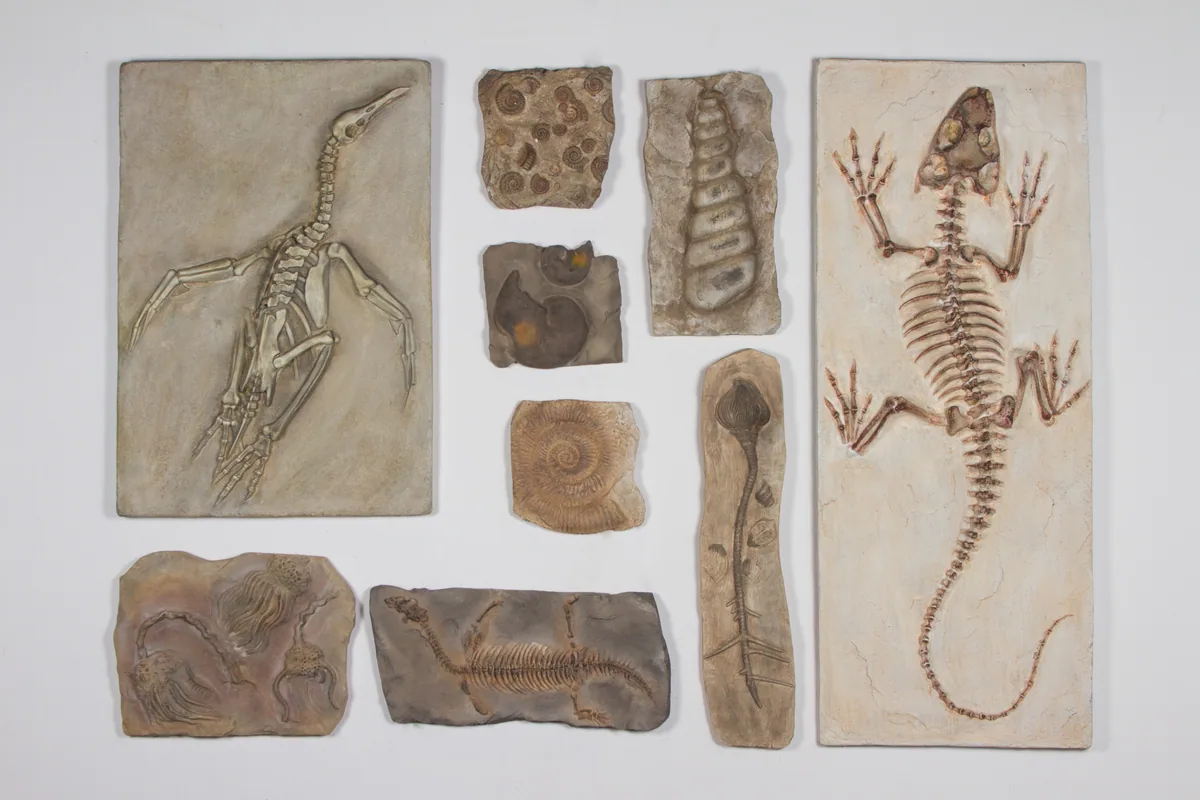
ODM stands for original design manufacturing. The design already exists in the factory catalogue. You select a piece, and the manufacturer adapts it – scale, finish, colour direction, base treatment, logo or monogram – for your market. Nothing has to be invented, so the first quotation typically arrives faster and the sampling cycle is shorter.
The limitation is exclusivity. An ODM piece is usually available to other buyers unless you negotiate a variation deep enough to make it distinctive, or agree a protected programme for a defined territory. Serious importers often use ODM to test a category and OEM to defend the products that prove themselves.
A well-run ODM programme still leaves room for differentiation. Changing the finish from a glossy bronze to a soft graphite, or the base from a plinth to a wall bracket, can move a piece far enough from the catalogue version that two retailers in the same city are not competing with the same object on the shelf.
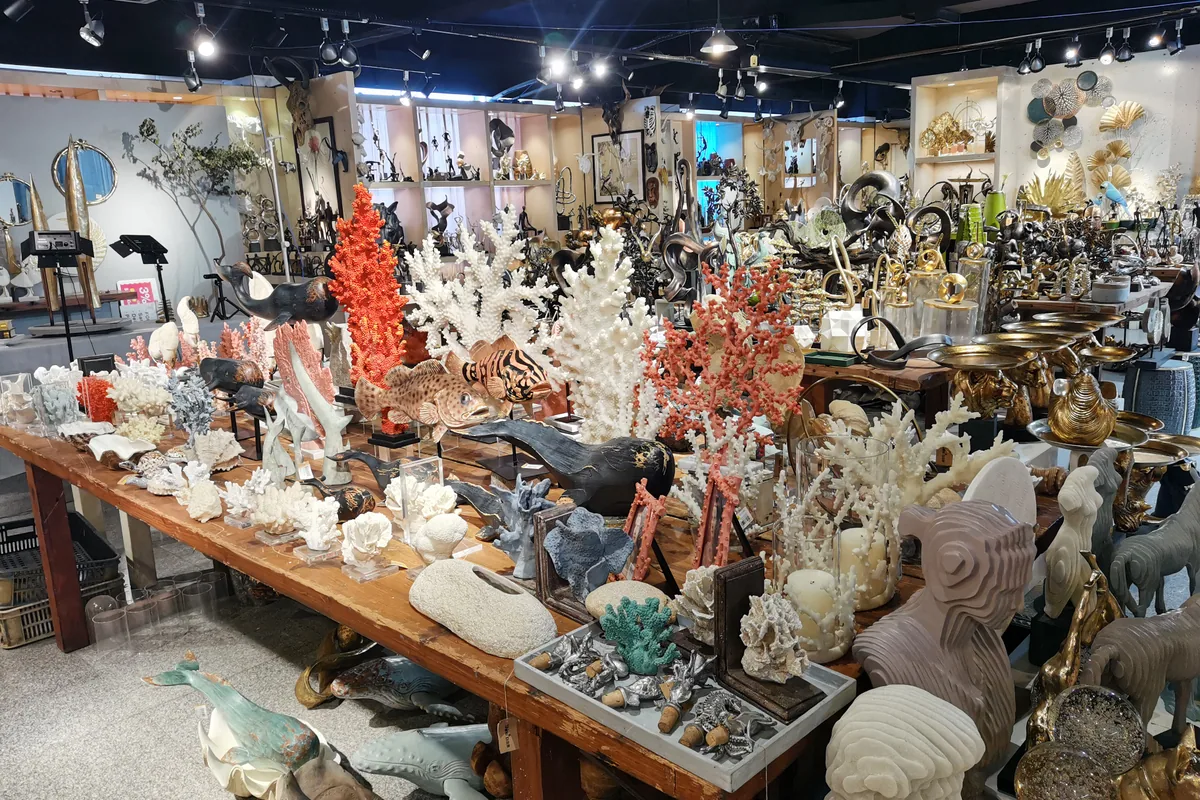
OEM vs ODM at a glance
| OEM | ODM | |
|---|---|---|
| Who owns the design | You | The factory |
| Development time | Longer, sculpt and tooling may be needed | Shorter, starts from an existing piece |
| Upfront cost | Higher | Lower |
| Exclusivity | Yours by default | Negotiated |
| Best for | Established ranges and brand identity | First orders, range extension, fast tests |
Which model fits your business
- Retailers with a defined brand identity should lean OEM. If your catalogue already has a visual signature, a shared ODM piece will read as a gap in it.
- First-time importers testing a category should start with ODM. You learn the real freight cost, packaging behaviour and sell-through before committing to tooling.
- Interior designers and hospitality buyers usually need a hybrid. Part of the scheme can be selected from existing pieces, while statement objects and anything that must match a specified dimension are developed to order.
- Distributors protecting a territory should ask about exclusivity before the first order, not after. It is far easier to agree a protected range at the start of a relationship than to renegotiate later.
How to write a sourcing brief that gets an accurate quote
Most unreliable quotations are caused by an incomplete brief rather than an unreliable supplier. Include all of the following in the first message and the reply you receive will be far closer to a real price.
- Reference images or a sketch, from more than one angle
- Finished dimensions and the tolerance you can accept
- Intended material and finish, including how aged or matte it should read
- Target quantity for the first order and the expected annual volume
- Destination market and any labelling or compliance requirements
- Packaging expectation: retail box, protective carton or plain export packing
- Destination port or inland address, so freight can be estimated properly
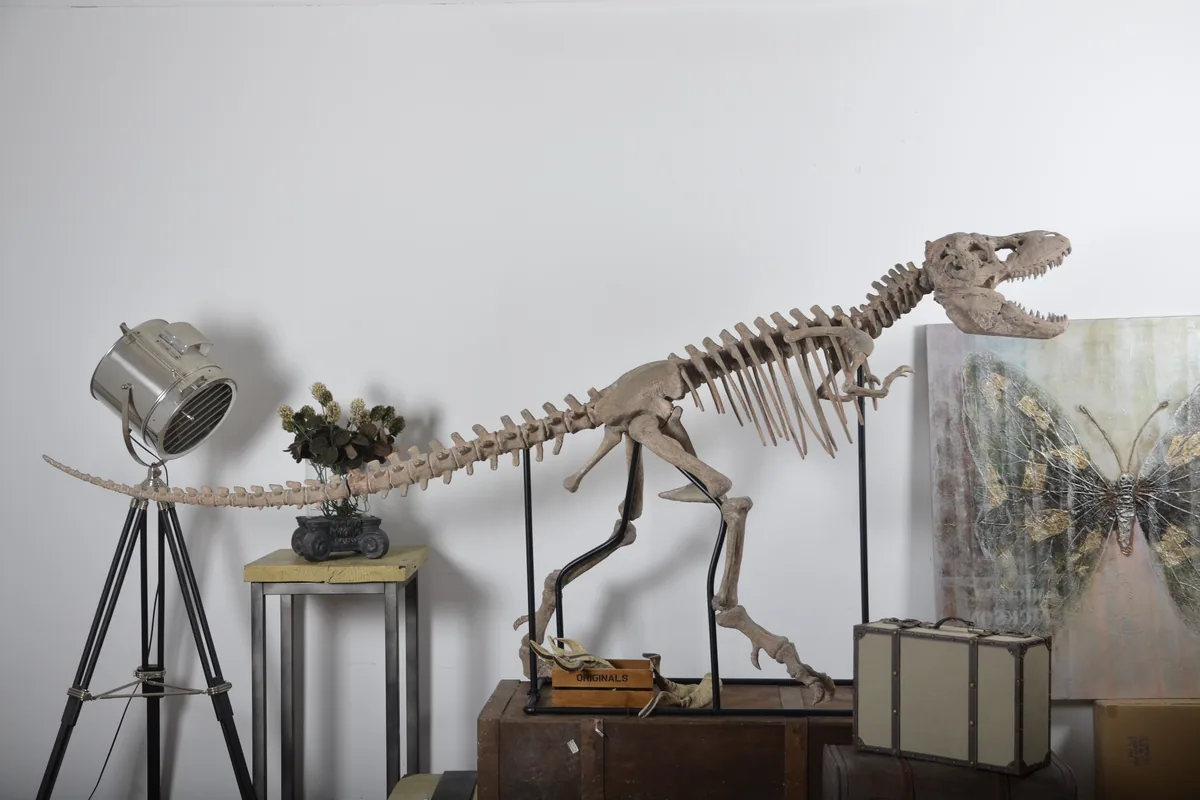
You can send a brief through our custom and trade enquiry page, and a worked example of a configured piece is our custom dinosaur skeleton, which shows how scale and finish are specified before production.
Sampling, approval and production checks
A commission moves through five stages at Saint Art: enquiry, proposal, sample, production and delivery. The sample stage is the one that decides whether a programme succeeds. Review it under the lighting it will live in, check the weight in the hand, compare the finish against the original reference, and photograph the approved sample from every side. That photograph set becomes the reference for the production run, and it is what protects both sides if a later batch is questioned.
Ask for the sample to be packed the way production will be packed. A piece that survives a padded courier box but fails in an export carton tells you the carton is wrong, and it is much cheaper to discover that on one sample than on a full container.
Lead time, packing and freight
Fragile decor fails in transit far more often than it fails in the mould. Resin, ceramic and glass pieces need individual wrapping, a fitted inner partition and a carton that has been drop tested for the weight it carries. Agree the carton specification in writing, because a thinner board is one of the easiest places for a supplier to quietly reduce cost.
Shipping is normally quoted in three ways: courier for samples and small urgent orders, consolidated freight when you share a container with other cargo, and full sea freight when volume justifies it. Ask for the packed volume as well as the weight, since decorative sculpture is usually charged on volume rather than mass.
Compare quotations on the same Incoterm. An Ex Works price and a DDP price can differ by more than the value of the goods, and mixing them across suppliers makes a shortlist meaningless.
Why the production base matters
Dehua in Fujian has been a ceramics centre for centuries, and the surrounding supply chain now covers resin casting, metalwork, glass and a deep bench of finishing and packaging specialists. That density is practical rather than romantic: a material question or a colour correction can be solved in days rather than weeks. You can read more about how Saint Art works in our studio profile, and see how finished programmes are delivered in our case studies.
Frequently asked questions
What is the difference between OEM and ODM in home decor?
With OEM the design belongs to you and the factory manufactures it to your specification. With ODM the factory already owns the design and adapts finish, scale or branding for your market. OEM gives exclusivity, ODM gives speed and a lower upfront cost.
Which model should a first-time importer choose?
Start with ODM to test a category without paying for development, then move the products that sell well into an OEM programme where you control the design and the finish specification. Most importers eventually run both side by side.
How long does a custom decor sample take?
Adapting an existing piece for colour, scale or base treatment is the fastest route and typically moves into sampling quickly. A completely new sculpt needs modelling and mould work first, so allow a longer development window before production can be scheduled.
What information should be in a decor sourcing brief?
Send reference images from more than one angle, finished dimensions with your tolerance, intended material and finish, first order quantity, expected annual volume, destination market, packaging expectation and delivery address. Freight and compliance requirements change the quotation, so include them early.